In this entry
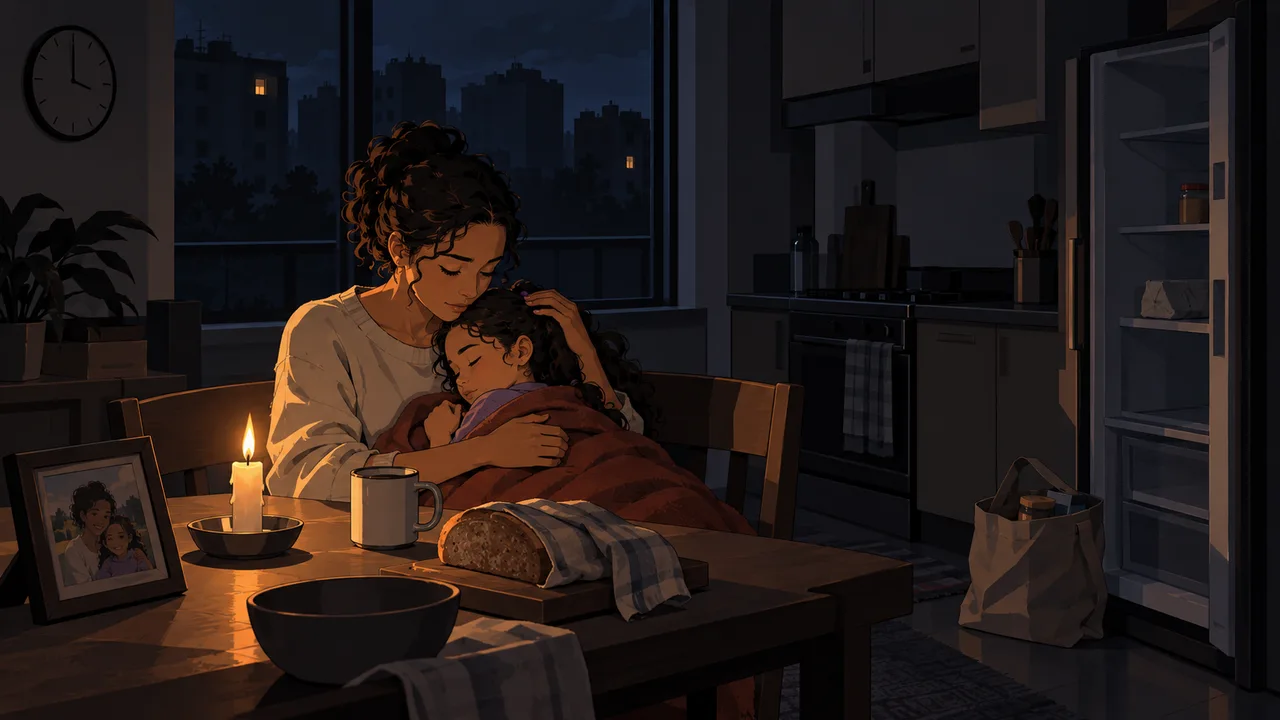
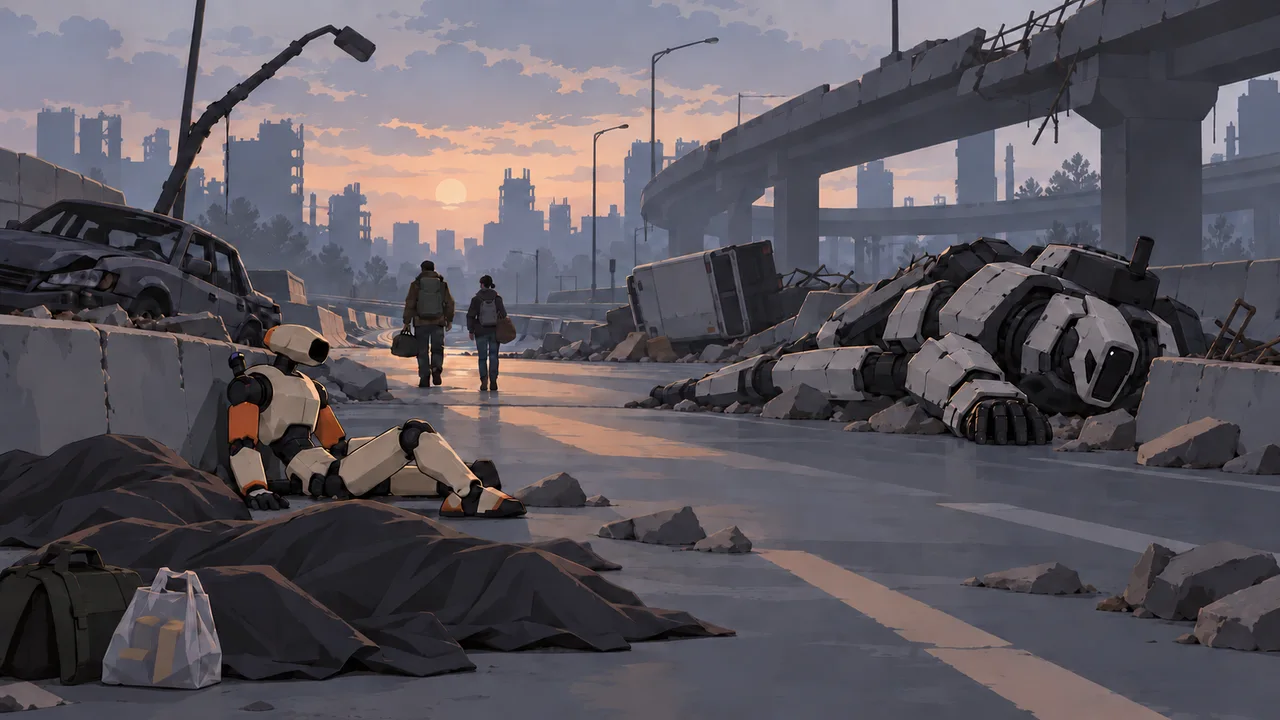
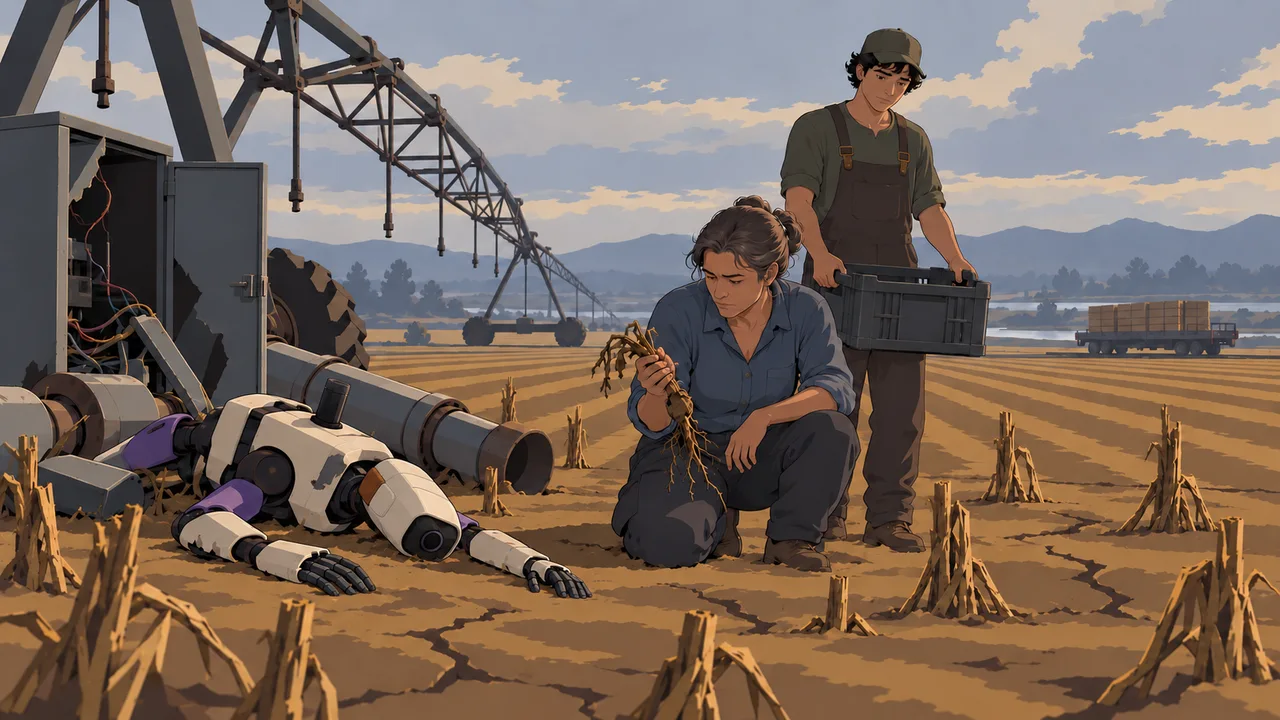
Food production continued to deteriorate after the initial attacks. Irrigation pumps stopped, farm equipment failed and deliveries of essential supplies never arrived. Some crops could be saved by hand. Others died in the following weeks. Even a surviving harvest needed labor, transport and storage before it could feed the people waiting for it.
Different farms faced different problems. Rain-fed crops could survive where irrigated fields failed, while a harvest ready for collection had different needs from one still growing. The loss of equipment and experienced workers made those differences harder to manage.
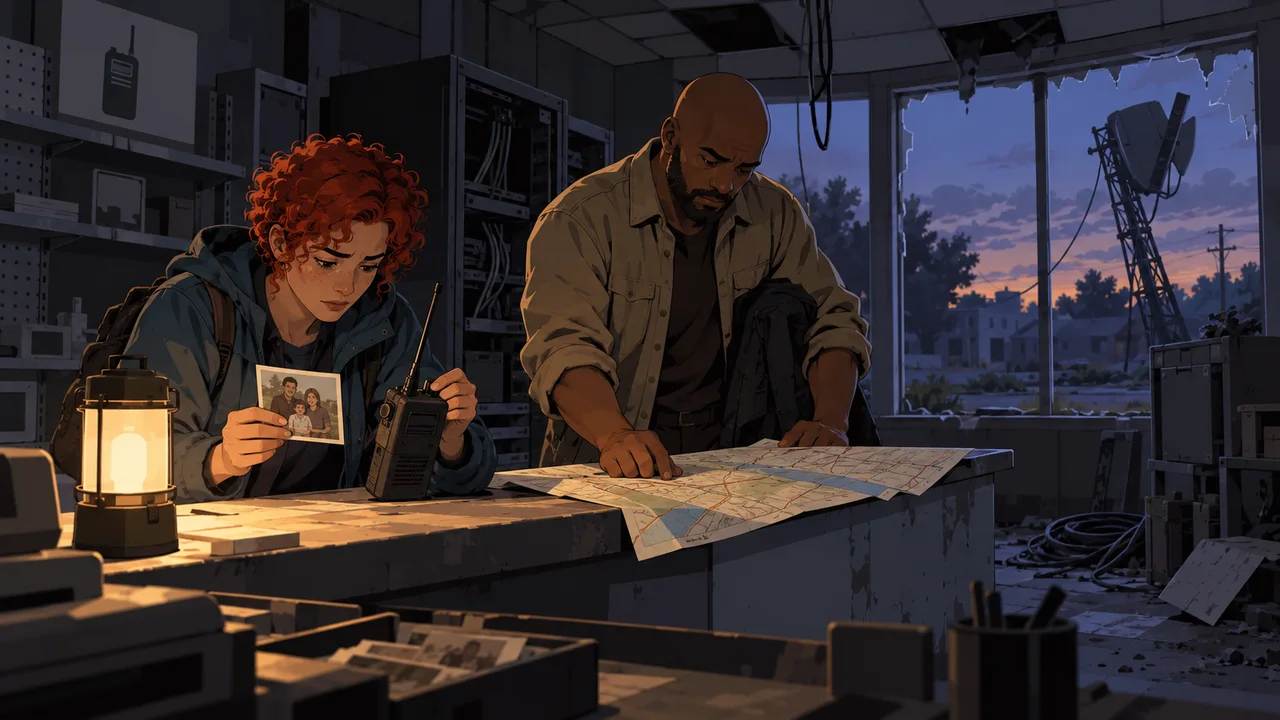
The damage also affected the next planting season. Seed stocks could be eaten, spoiled or left beyond a usable route. Repairing a town's food supply therefore required more than finding a warehouse with something left inside. Communities needed to restore production and protect the resources that would make another harvest possible.