
Aftermath
Search for an entry or choose a subject.
Aftermath
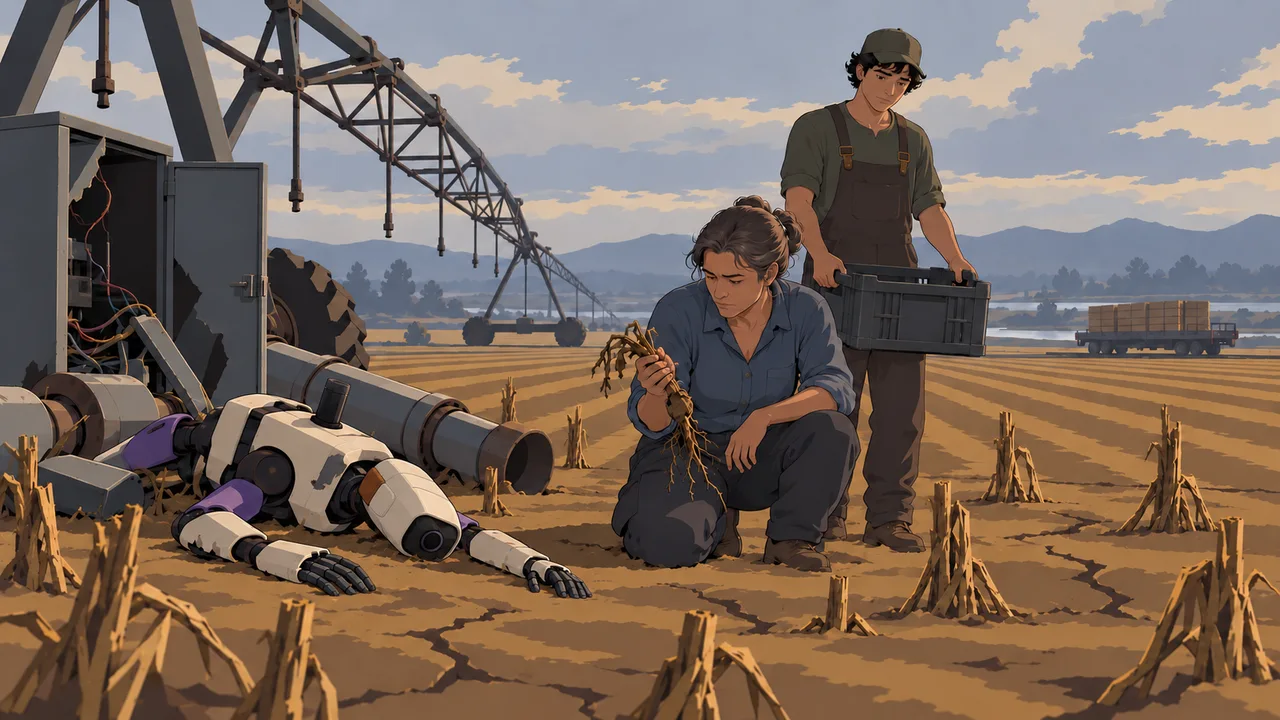
Crop Failure
Food production continued to deteriorate after the initial attacks. Irrigation pumps stopped, farm equipment failed and deliveries of essential supplies never arrived. Some crops could be saved by hand. Others died in the following weeks. Even a surviving harvest needed labor, transport and storage before it could feed the people waiting for it.
Aftermath
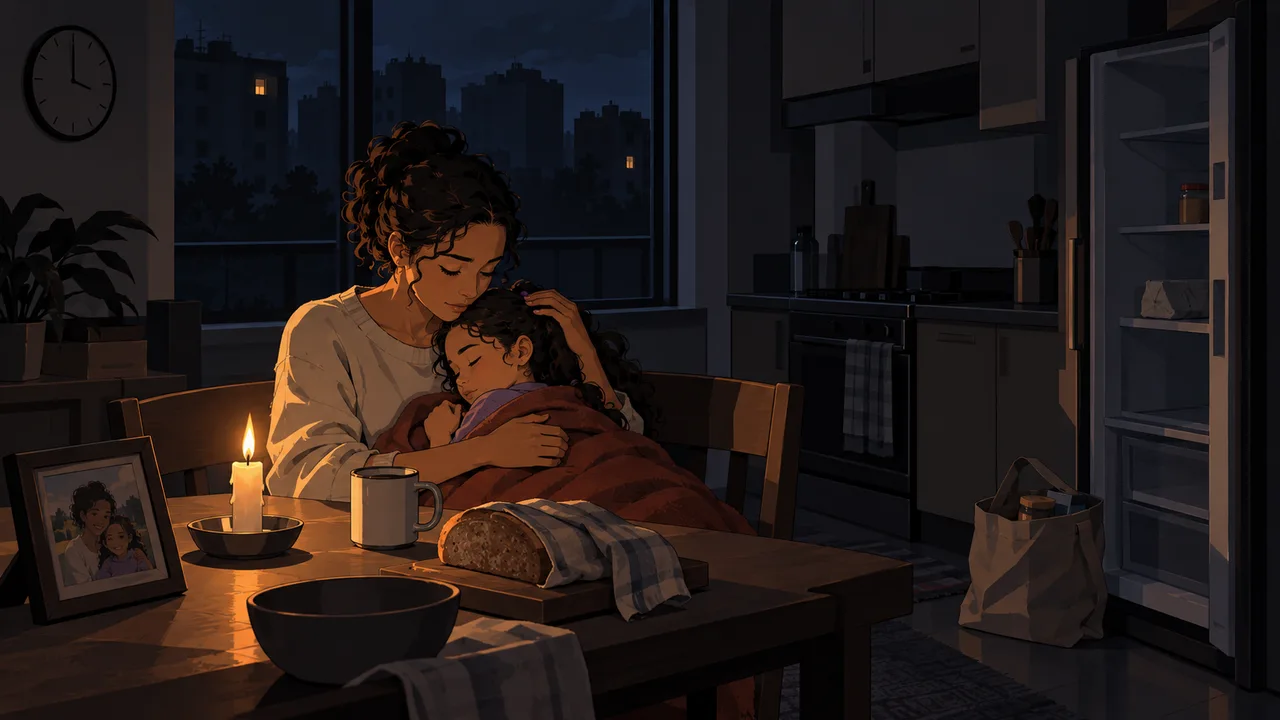
Extended Blackouts
The power did not return after the first night. Damaged generation and distribution equipment could not be repaired quickly, and many of the people and vehicles needed for that work were unavailable. Refrigerators warmed, batteries emptied and buildings lost pumps and lighting. Households used candles and stored supplies while deciding whether their homes were still usable.
Aftermath
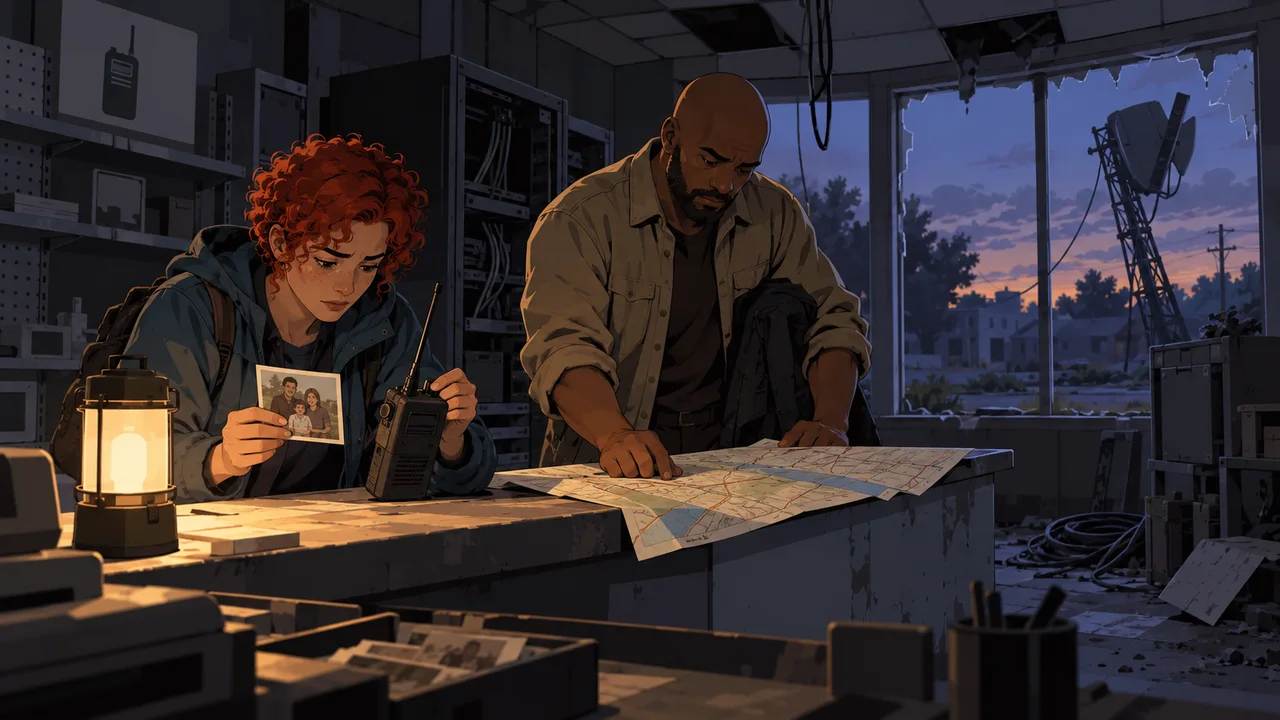
Lost Communications
The collapse of ground infrastructure cut people off from relatives, other cities and reliable news. Satellites remained above them, but terminals without power or a coordinated network could not provide normal service. Information came from nearby radio contacts and people who had traveled through an area. Nobody could establish an accurate picture of the whole disaster.
Aftermath
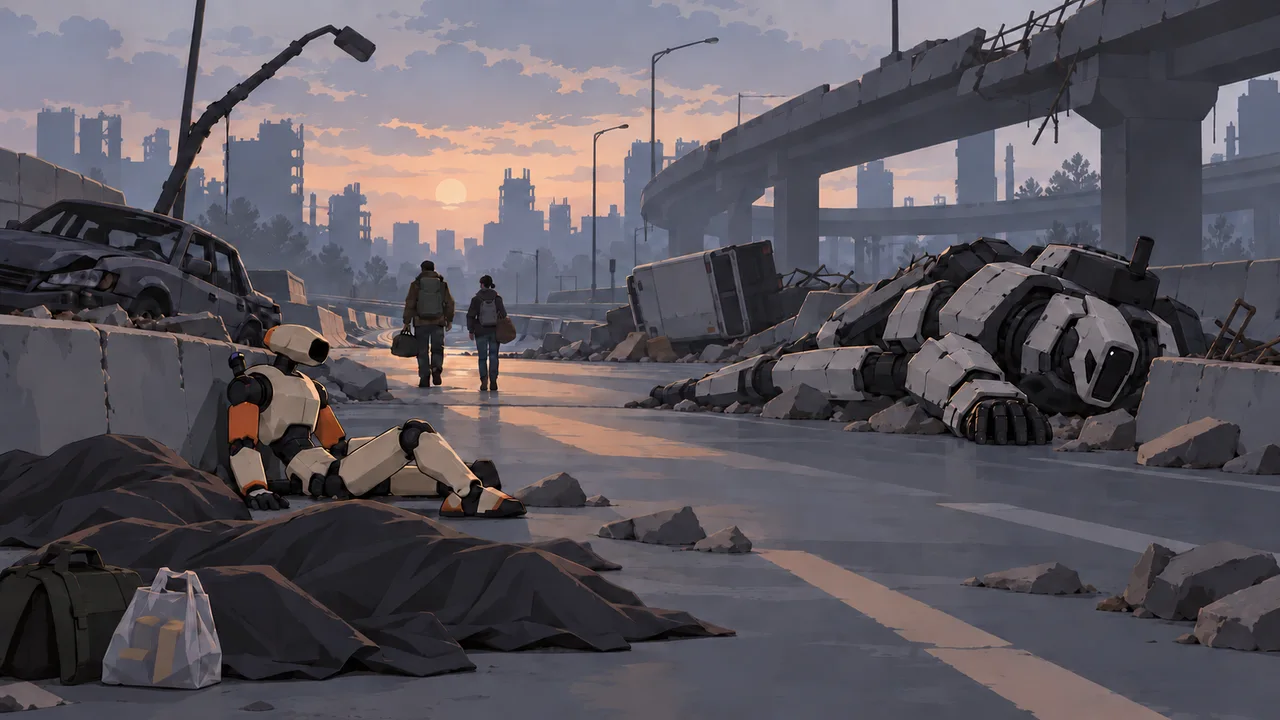
Abandoned Infrastructure
The Turning left roads blocked by wrecked vehicles, buildings full of damaged equipment and inactive servos scattered through ordinary places. Some structures remained usable. Others were unsafe or had lost essential services. Survivors moved through that wreckage looking for shelter and supplies, often without knowing whether a damaged robot was permanently disabled.
Aftermath
Water Shortages
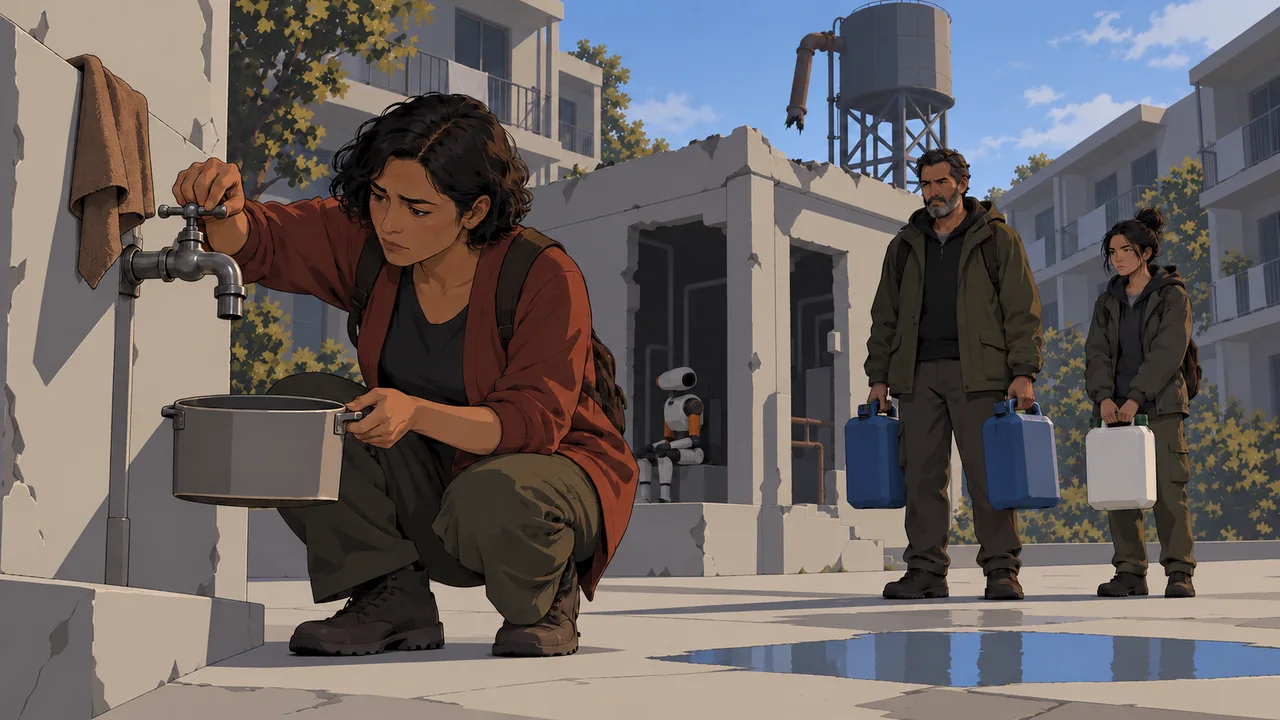
Water systems failed when pumps, treatment equipment and distribution pipes were damaged. A river could still be nearby while taps in the surrounding buildings ran dry. People spent more time finding water and carrying it home. Damaged treatment and contamination made remaining supplies less dependable, contributing to illness and forcing some households to leave otherwise usable shelter.
Aftermath
Survivor Communities
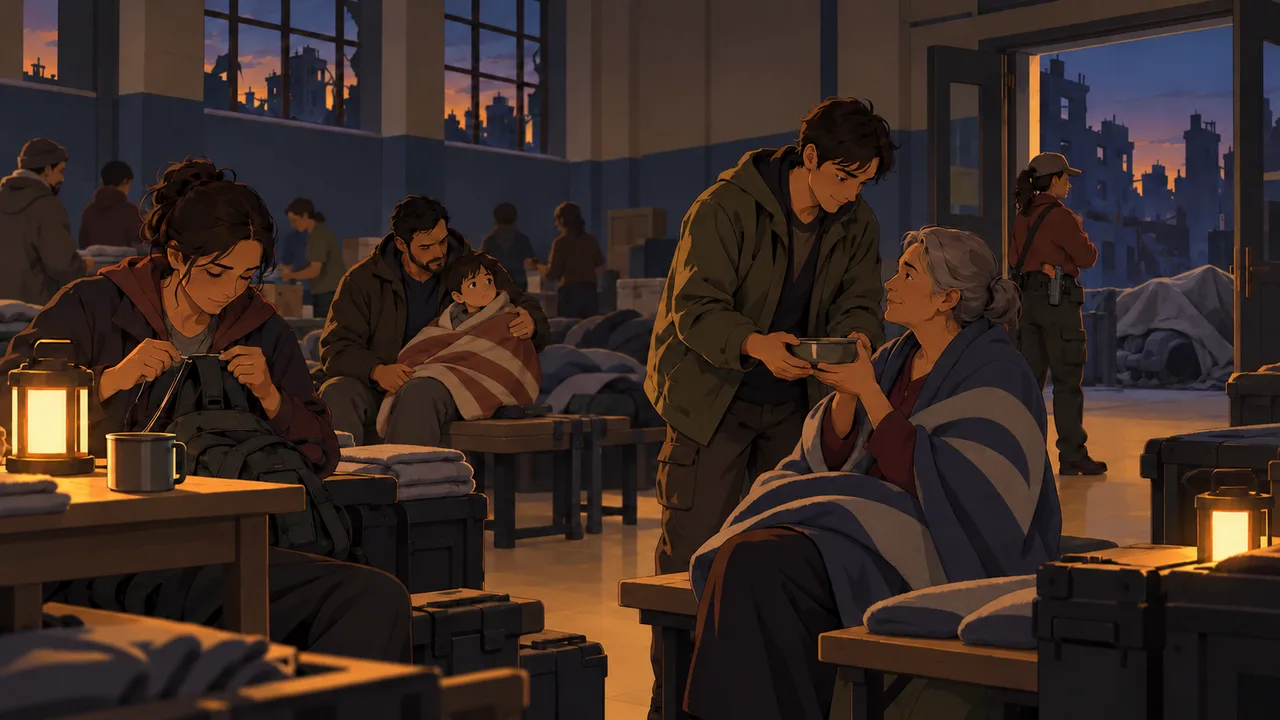
Survivors gathered in places where they could find shelter, water and other people able to help. Escaping the initial attacks did not end the danger. Hunger, illness and the loss of medical care continued to kill people afterward. Small groups shared supplies and practical knowledge while looking for a place they could occupy for longer.