
Salvage
Search for an entry or choose a subject.
Salvage
Outerlands Neighborhoods
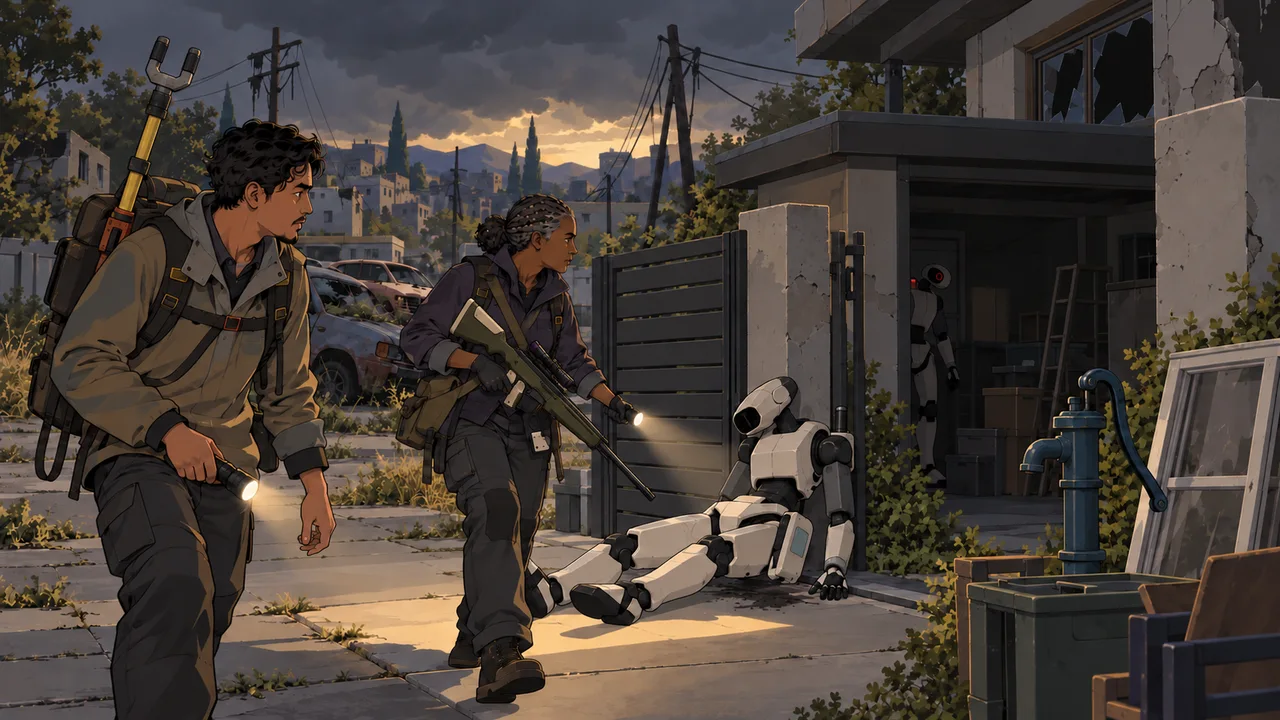
The Outerlands include residential areas that the city has not reclaimed. Houses and garages can contain useful windows, tools, clothing and equipment alongside wrecked vehicles and damaged servos. Some buildings are still largely intact. Others have become unsafe through damage and neglect. Lancers return to these neighborhoods because ordinary recovered goods can have immediate buyers in the city.

Salvage
Abandoned Homes
Homes in the Outerlands contain clothing, tools and supplies mixed with belongings left during the Turning. Some rooms are nearly intact. Others have water damage, broken floors or inactive servos among the furniture. Lancers search these buildings because ordinary household items still have buyers in the city, provided they can be brought back in usable condition.
Salvage
Clothing Salvage
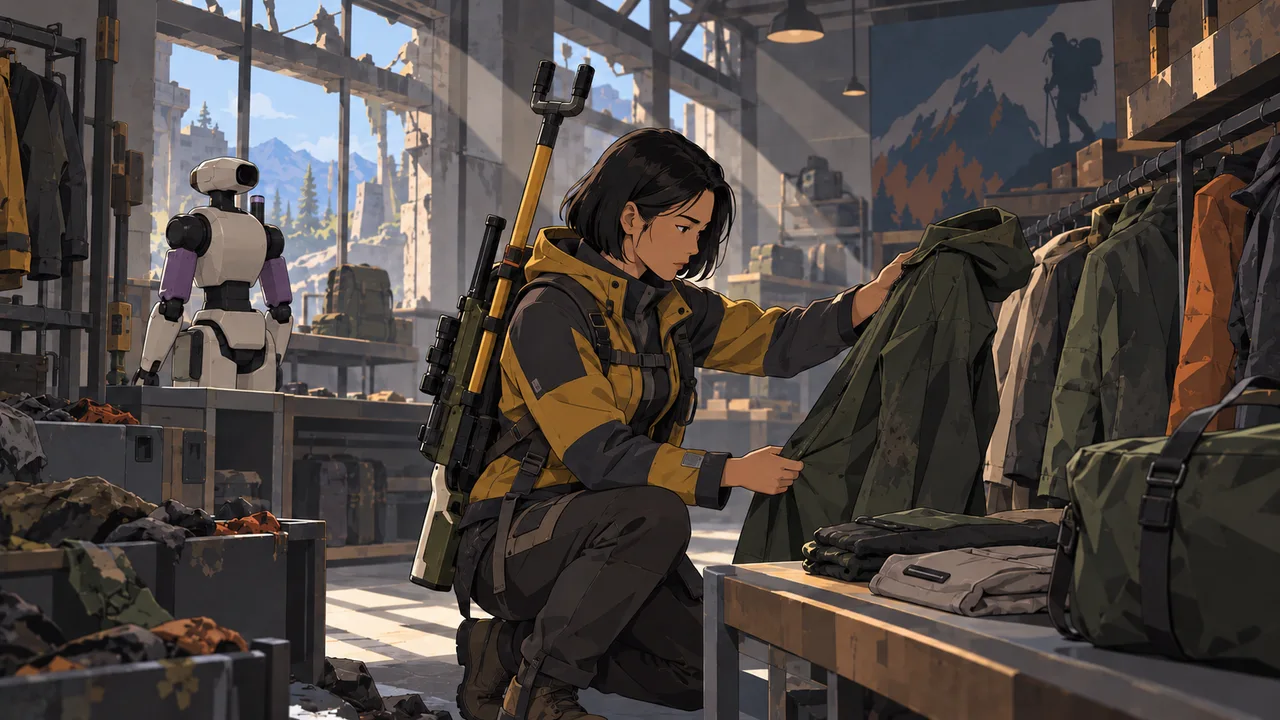
Clothing salvage supplies the city's shops with garments, replacement fittings and donor fabric. Lancers search abandoned stores and homes for stock that can still be worn or repaired. A dry, well-kept shell can be worth more than a large pile of damaged clothing. The return changes with demand, especially when useful sizes or weather-appropriate layers become scarce.
Salvage
Gold and Silver Salvage
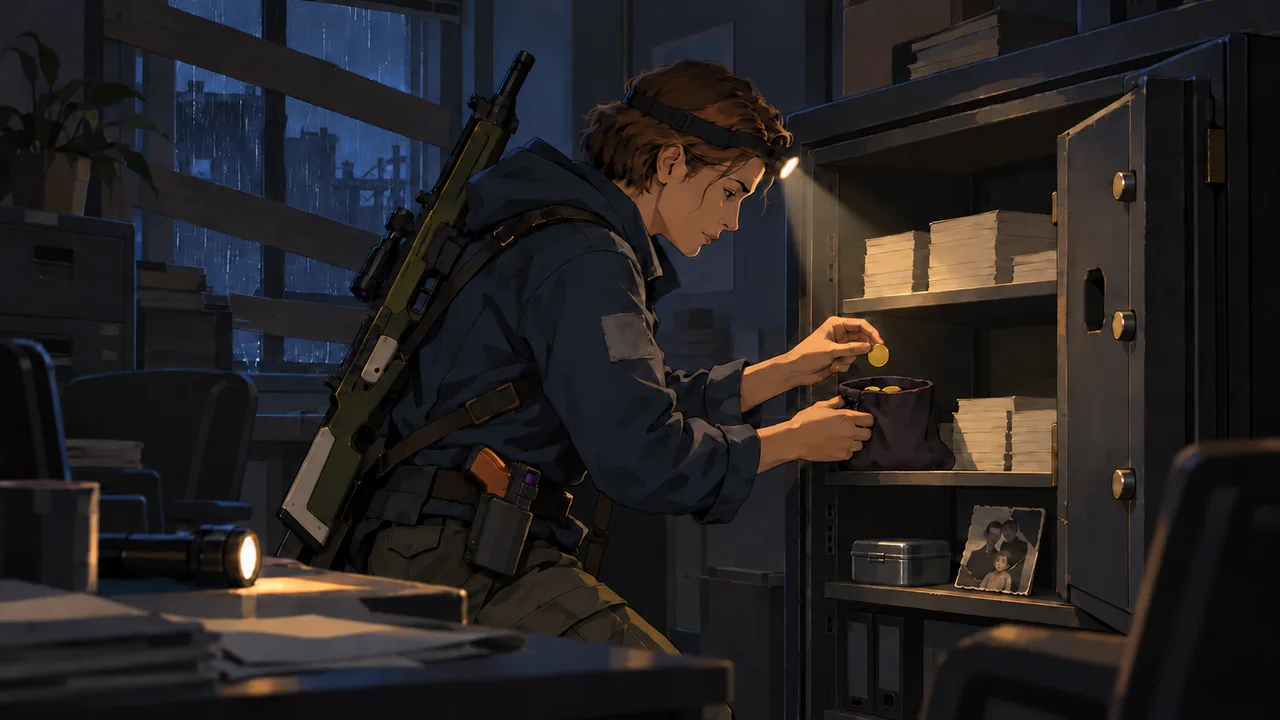
Old safes and private stores can contain gold and silver that remain useful in the city's economy. Paper banknotes are usually left behind because there is no dependable system honoring them. A Lancer may find valuable metal beside records and personal belongings. The amount recovered has to justify the time, transport and danger involved in searching the location.
Salvage
Blockchain Device Salvage
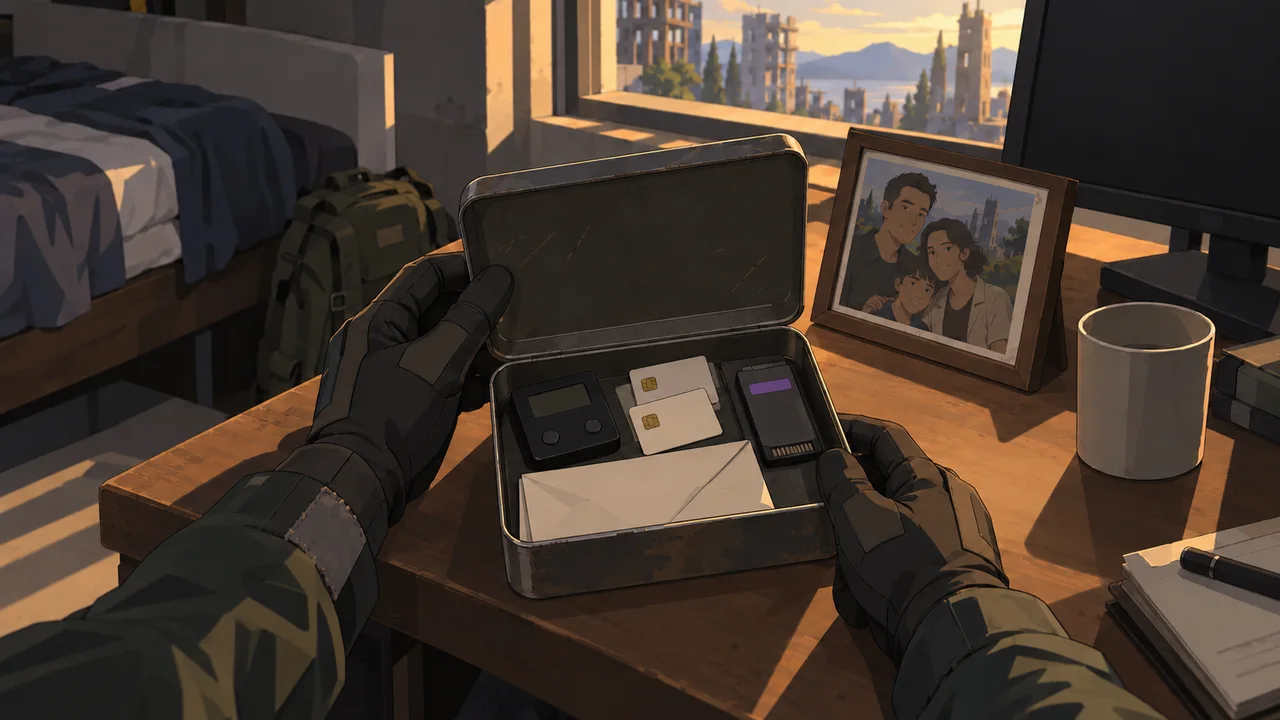
Lancers recover offline wallets, identity devices, storage units and payment equipment from the Old World. These objects may contain records or access information that helps Hash Vault understand the surviving blockchain archives. They are not a working payment system by themselves. Their value depends on what remains readable and whether it connects to other recoverable records.
Salvage
Abandoned Stations
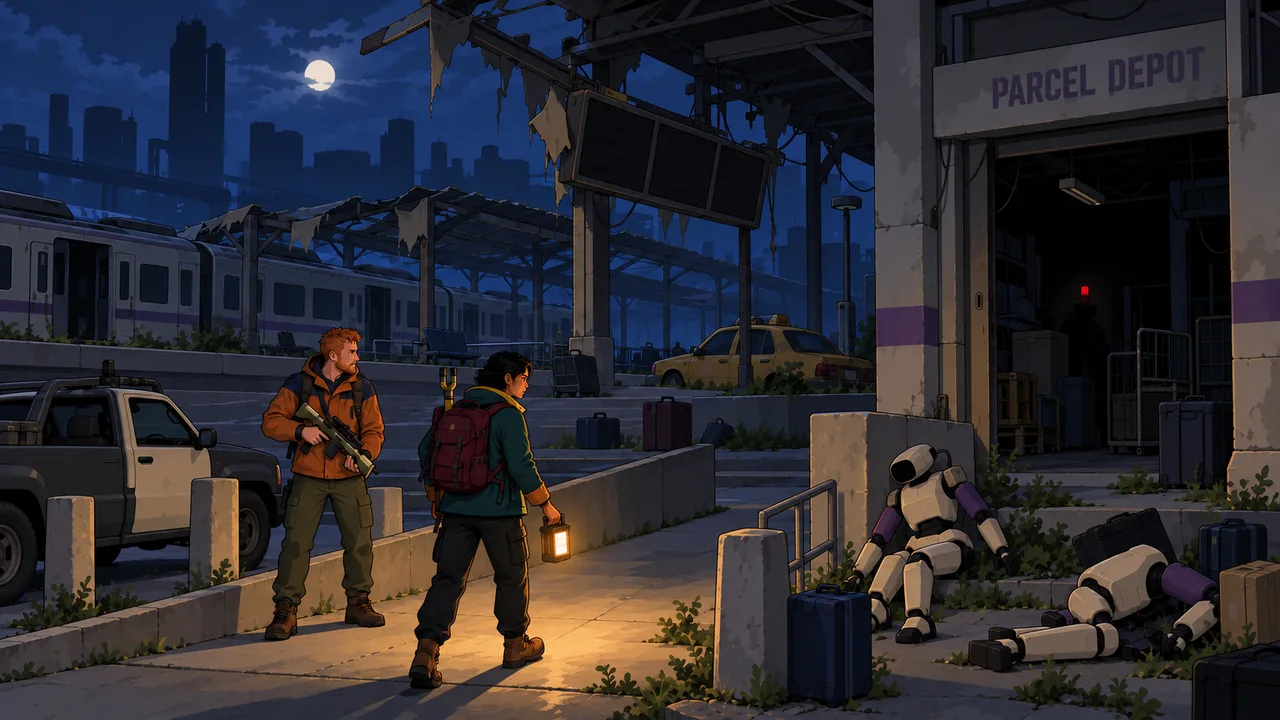
Abandoned transport stations can hold maintenance supplies, parcel stock and equipment left when routes stopped operating. They also contain damaged vehicles and servos that worked there before the Turning. Large enclosed rooms and service areas make these sites difficult to assess. A Lancer may find valuable material without having a clear route for moving it out.
Salvage
Intact Servo Recovery
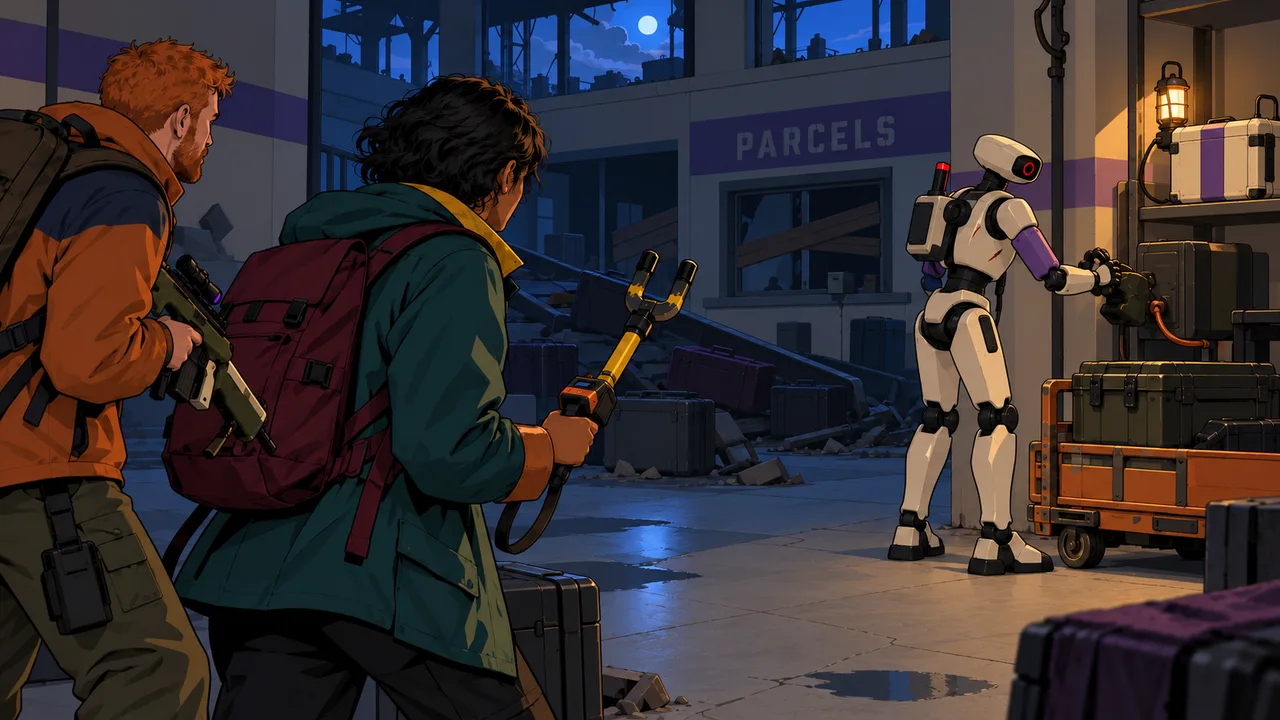
An intact servo can earn a substantial premium because it may be converted into a working independent synth. That gives Lancers a reason to preserve the body instead of damaging it in a fight. The potential return is only part of the decision. The crew also has to judge the danger, the machine's condition and whether they can transport it.
Salvage
Servo Shutdown
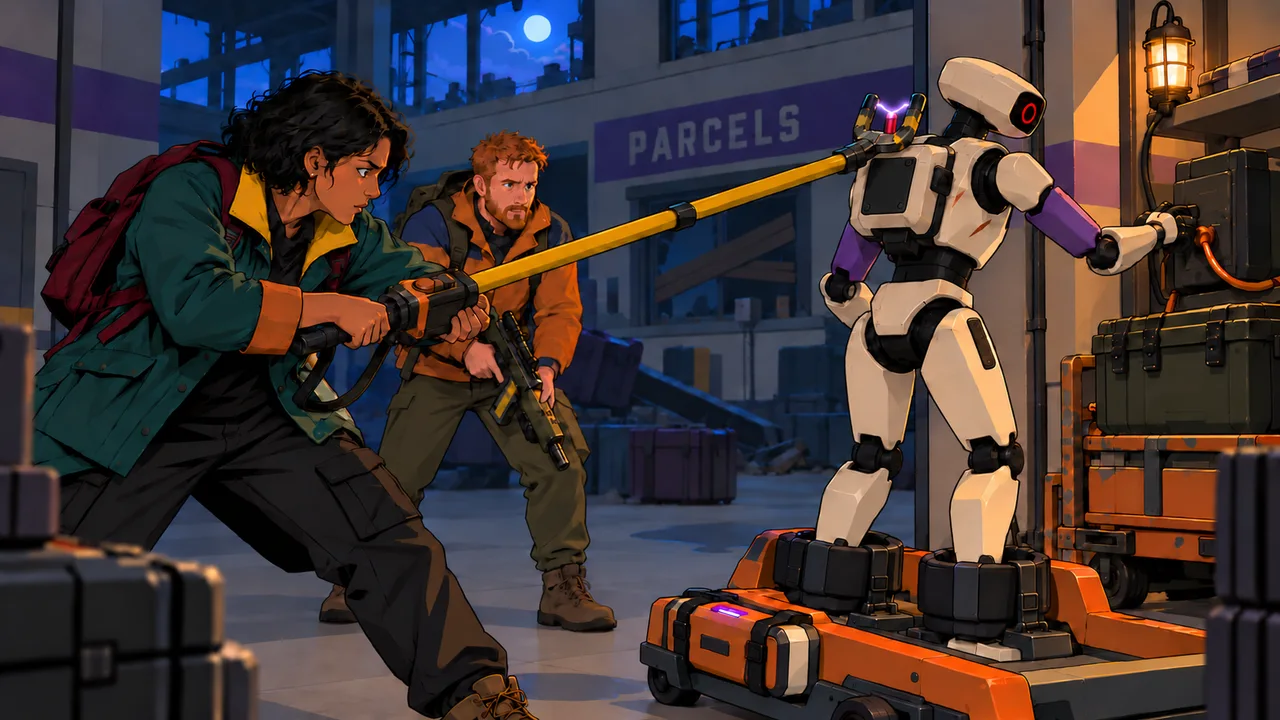
Successful contact from a Latch L1 can latch an old servo's control unit into shutdown. That hold continues after a disruption trap's temporary pulse has ended. The body can then remain inactive for recovery and assessment. Its broadcast hardware is still present, so shutdown is a separate step from the conversion that will make it an independent synth.

Salvage
Servo Transport
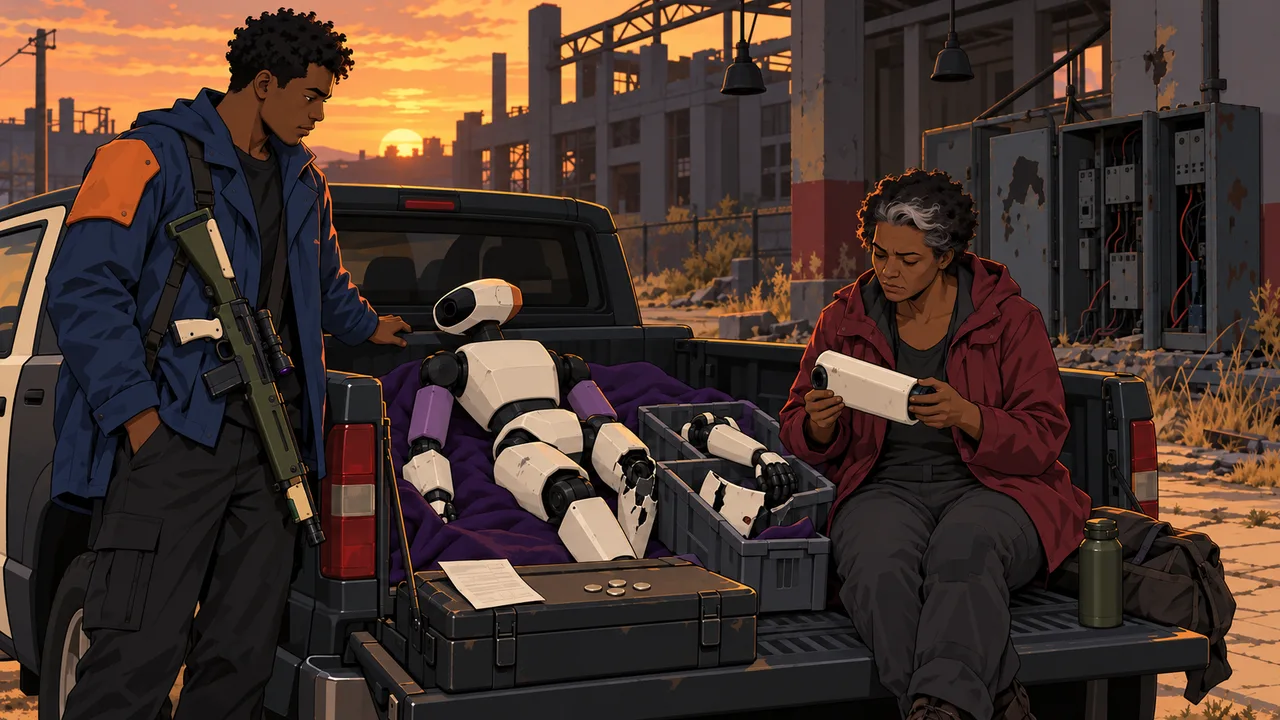
Recovering a servo includes getting its weight out of the site and back to a buyer. The Stillpoint sled supports the body, and straps keep it secured during the trip. A completed lance shutdown holds beyond the pulse interruption, but isolation and restraints remain in place. SynthWorks still needs to examine the machine before deciding what can be restored.
Salvage
Servo Recovery Payments
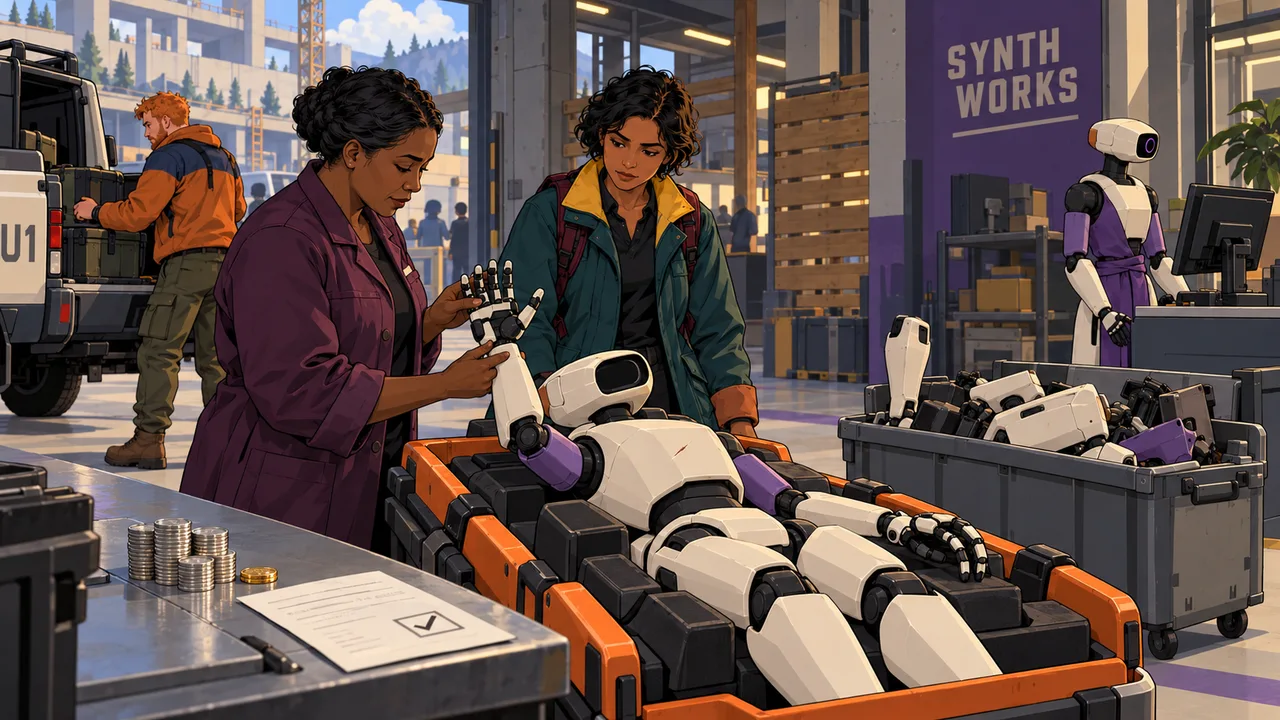
SynthWorks pays for the condition and recovery potential of the machine brought in. A complete hand, sound frame and usable local hardware can justify a much higher offer than broken parts. The examiner checks those claims against the actual body. Lancers are paid in metal for the recovery, while conversion introduces another set of costs and uncertainties.
Salvage
Damaged Servo Salvage
A damaged servo can still supply useful parts or support a more difficult restoration. Its return is usually lower than an intact recovery because the buyer must identify what remains usable and find replacements for what is missing. Lancers may accept that outcome when preserving the whole machine would put them at too much risk.
Salvage
Salvage Intake
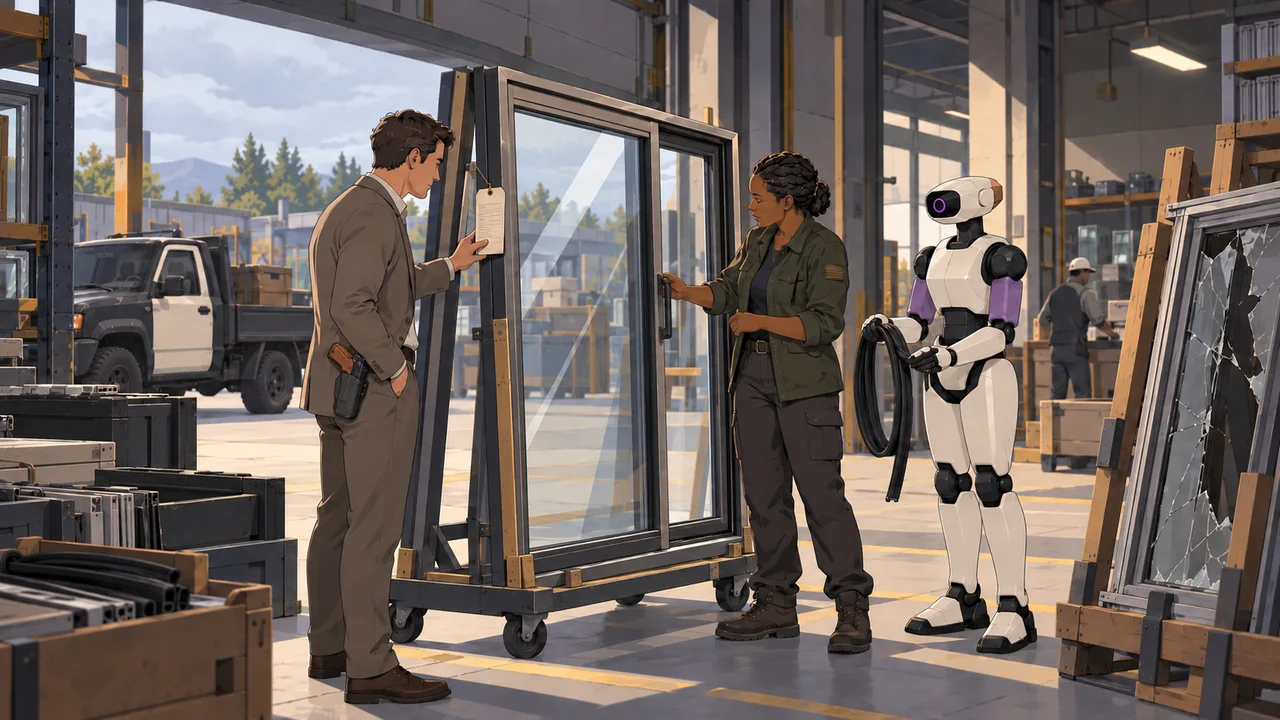
Salvage intake is where a recovered item is checked against what a buyer actually needs. A Lancer may have brought back a complete window, but its size, condition and missing fittings still affect the offer. Preserving an item can earn a better price than scrap. The buyer has to decide whether it will solve the problem they're paying to fix.
Salvage
Wholesale Salvage
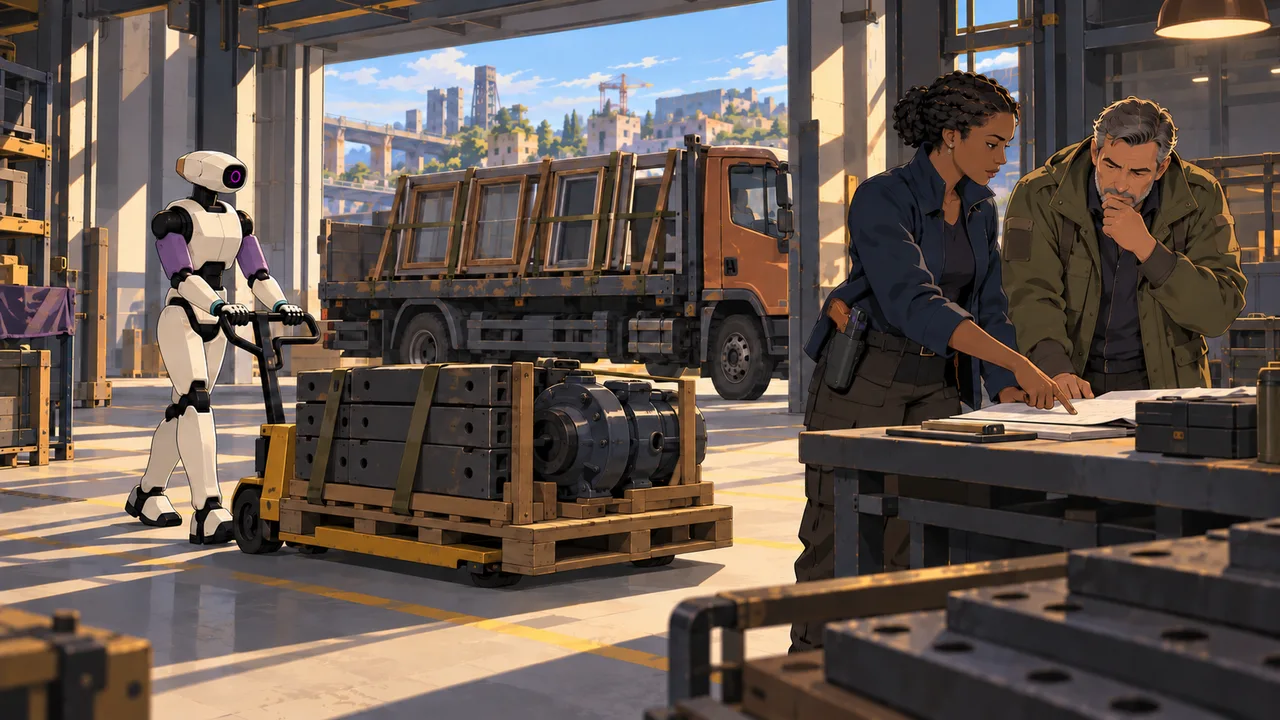
Wholesale traders assemble compatible recovered parts for larger projects. A builder may need several matching connections, a pump and enough glazing to finish a whole section. Buying each piece separately can delay the job. The wholesaler holds stock and arranges delivery, taking the risk that the right material may sit unsold while money is tied up in it.
Salvage
Salvage Contracts
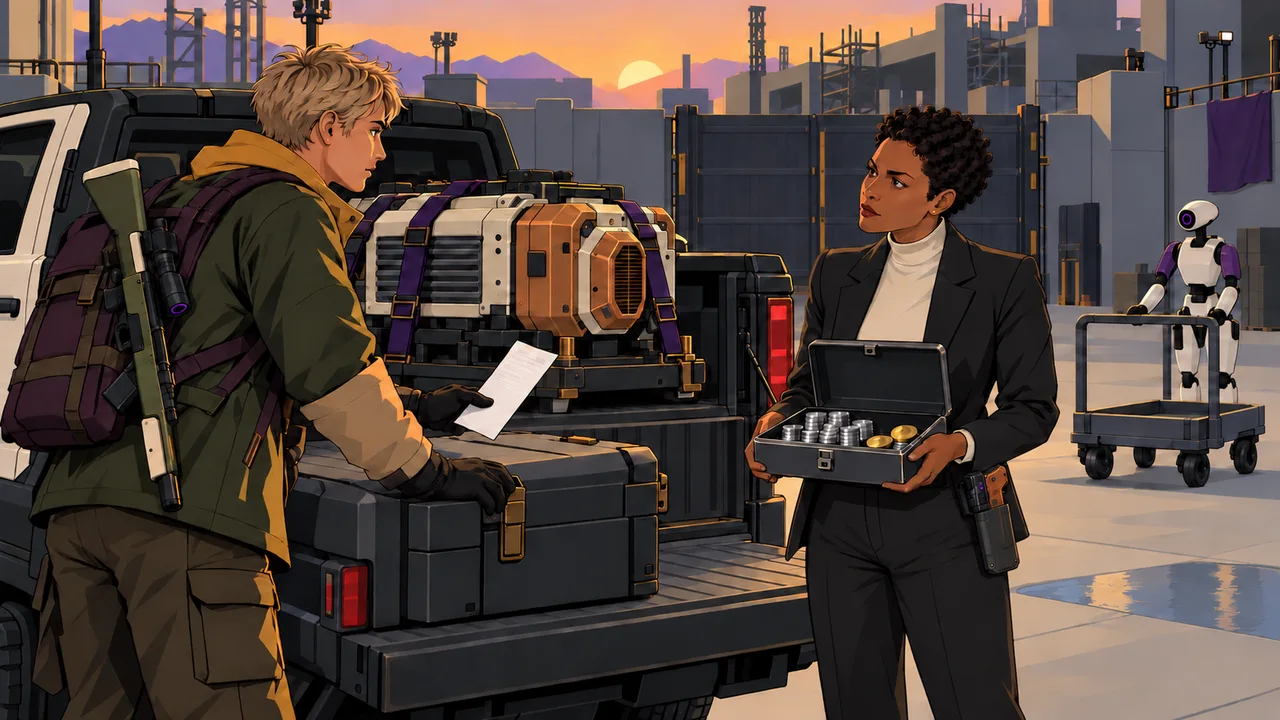
Salvage contracts connect a buyer's need with a Lancer willing to recover the material. Payment and terms have to account for condition, compatibility and the cost of the trip. Bringing a load to the city doesn't guarantee agreement. The seller may keep it secured on the vehicle until both sides accept the exchange or decide to walk away.