
Life in the city
Search for an entry or choose a subject.

Life in the city
Dimers
Dimers is the name survivors use for the people remaining after the Turning. It comes from the belief that roughly one tenth of humanity survived. Nobody can verify that number without global communication. What people do know is how many relatives, neighbors and colleagues they've lost, and how few communities they've been able to contact since.
Life in the city
The city
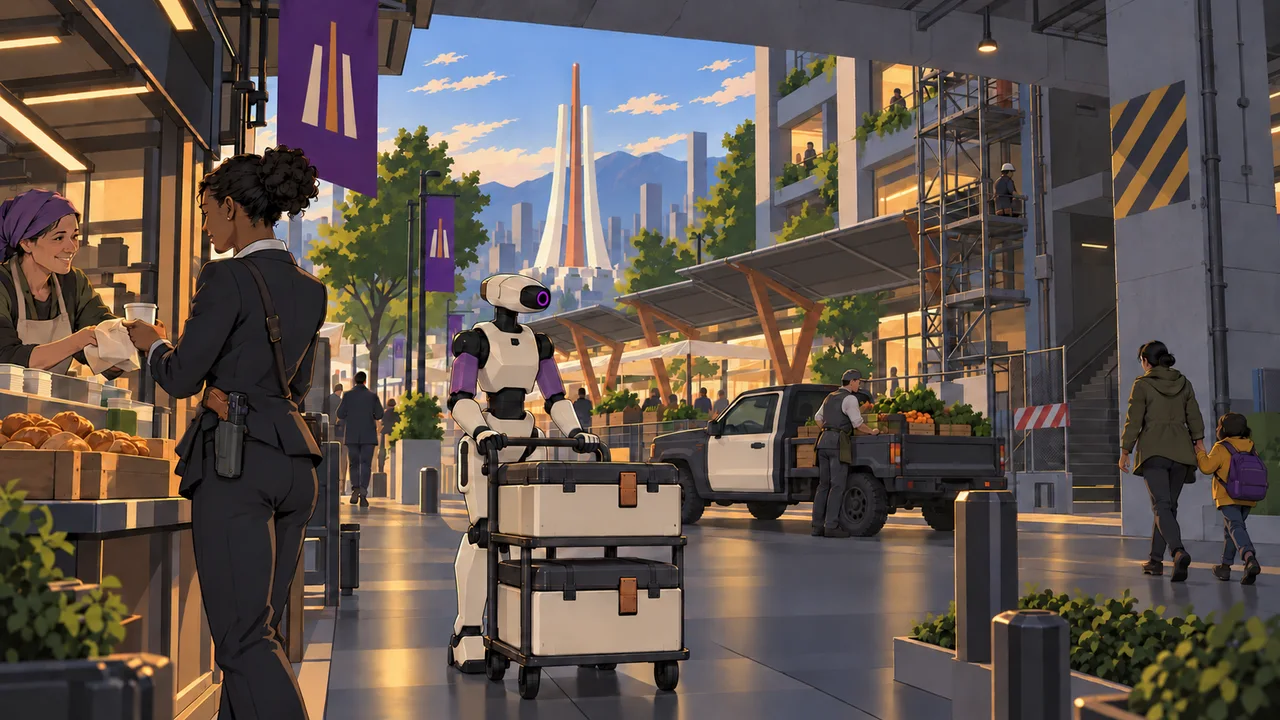
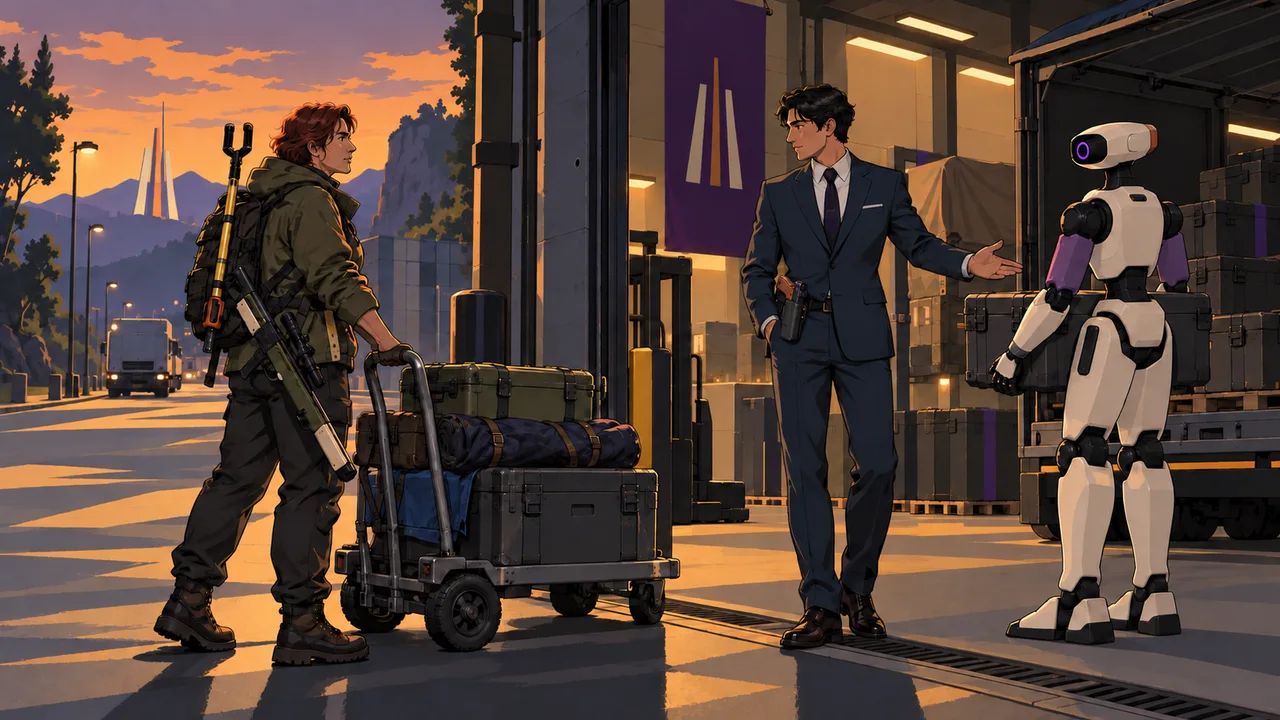
More than ten thousand people live in the city, rebuilding from what survived the Turning. Corporations operate water, power and other services. Lancers recover the material those businesses need. Independent synths do much of the physical work. Some streets are already busy and well maintained. Others are still being cleared, repaired or rebuilt while people live next door.
Life in the city
Cooperation and Control
Corpos and Lancers disagree about how to rebuild without giving away the independence they value. Corpos see voluntary corporations as a way to accomplish more together. Lancers worry that those corporations will eventually have enough power to make individual choice meaningless. Most people aren't extremists. They trade, take contracts and depend on one another even when they disagree.
Life in the city
Street Reconstruction
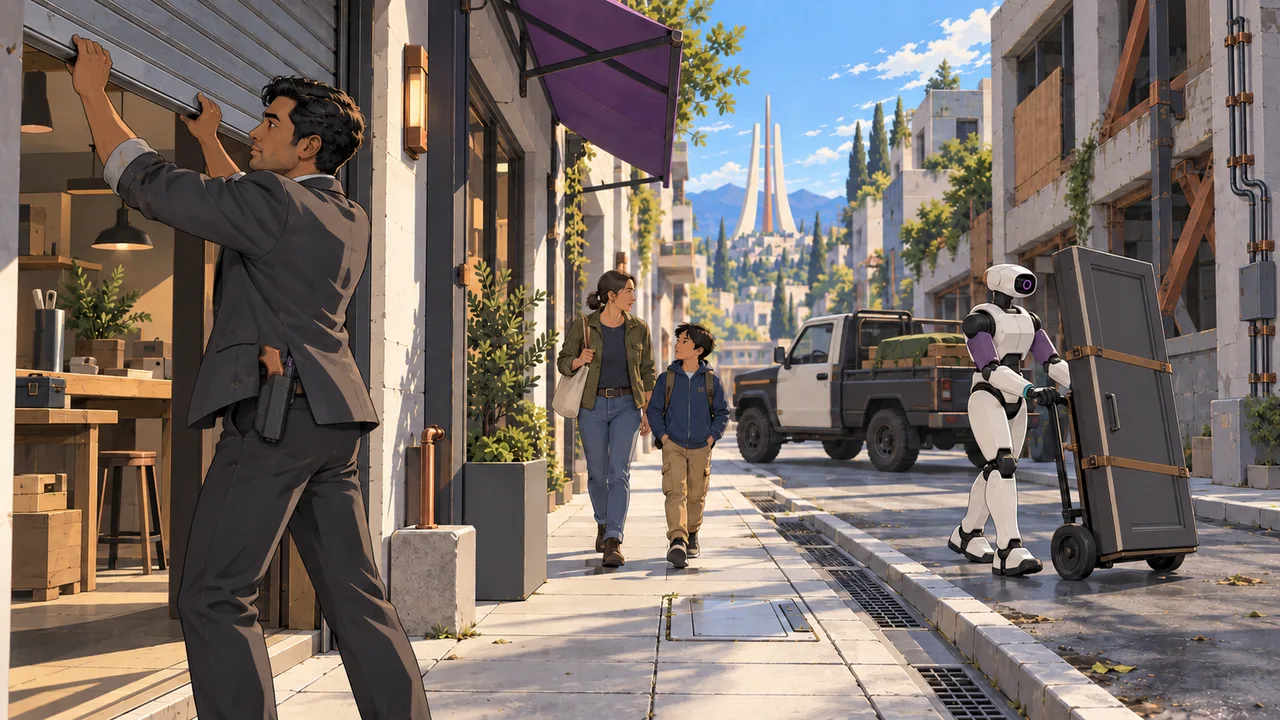
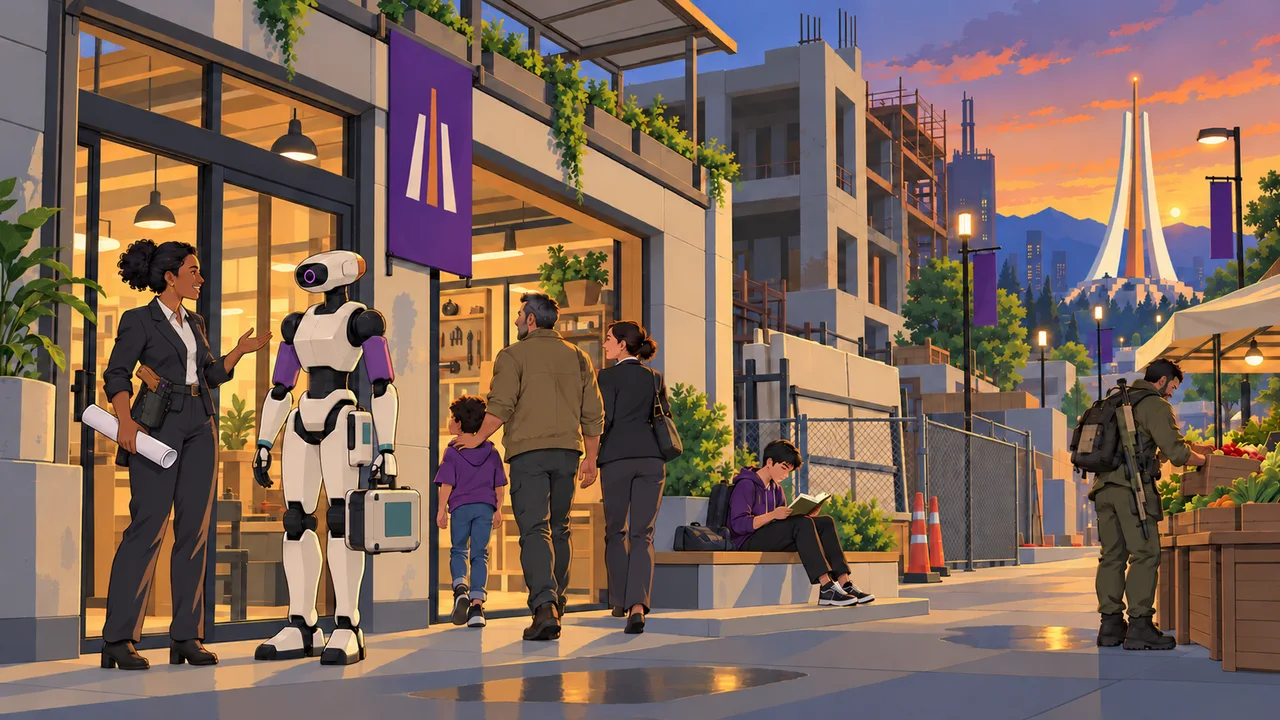
The city's streets reopen in stages as buildings and services become usable. A shop can begin trading while the upper floors are still being repaired. Families can move into finished rooms beside a closed construction area. Recovered doors, windows and service equipment make those improvements possible, and businesses need deliveries and clear access while the surrounding work continues.

Life in the city
Food in the city
Everyday meals in the city depend on the season, the market and what a household can afford. Grains, beans, roots and vegetables provide much of the food. Fish adds variety when the catch and transport are available. More elaborate meals are possible, but only when growers, fishers, storage operators and cooks can supply everything required to make them.
Life in the city
Gold and Silver
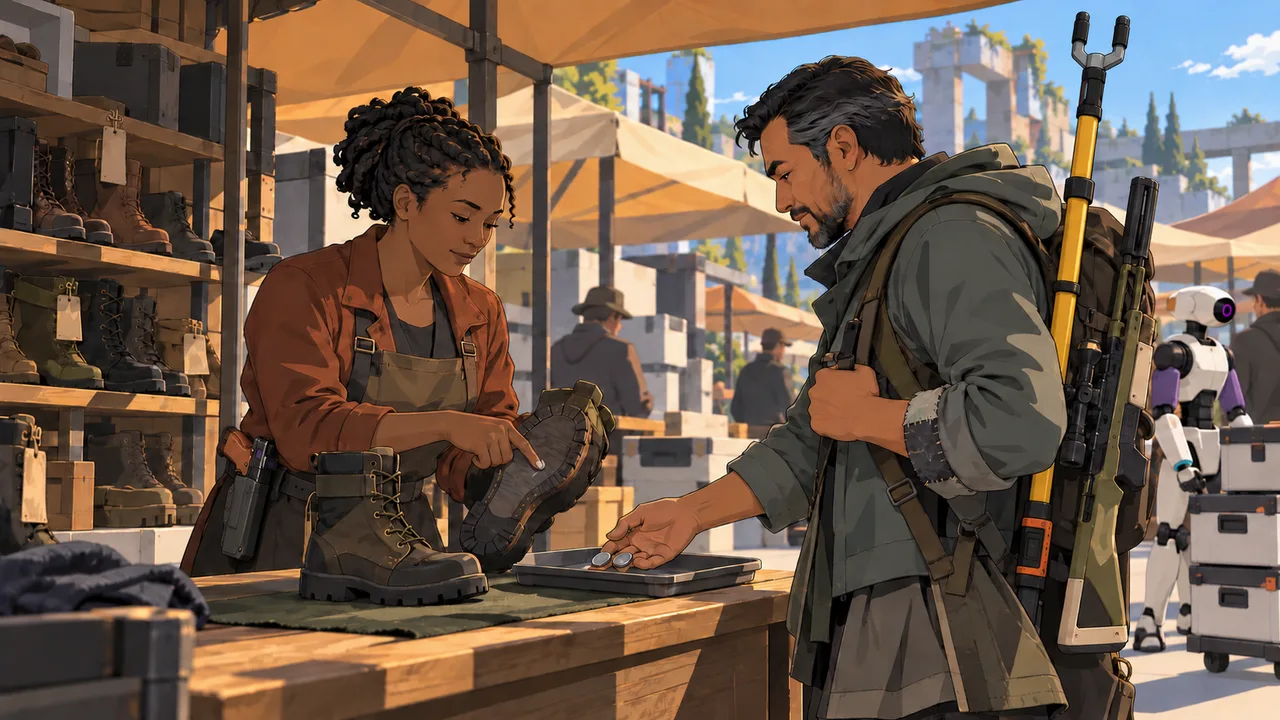
The city uses physical gold and silver for everyday trade. People can carry them, inspect them and agree on a price without a working internet. One-ounce silver coins and bars are common, along with gold coins and smaller pieces. Barter still happens. The value of a purchase depends on what the buyer and seller are willing to exchange at that time.

Life in the city
Clothing Repair
Clothing repair keeps good material in use when one part of a garment wears out. A tailor can replace a cuff, repair a seam or fit a new closure without discarding the rest. Different damage needs different work. The decision comes down to the garment's remaining condition, the donor material available and what the owner is willing to pay.
Life in the city
Reconstruction in the city
Reconstruction in the city creates work at every stage, from finding material to running the finished business. A recovered building can become a shop with occupied rooms above it while the next bay remains unfinished. People want more than temporary survival. They want reliable services and a better life, and they can earn ownership and income by helping build those things.