In this entry
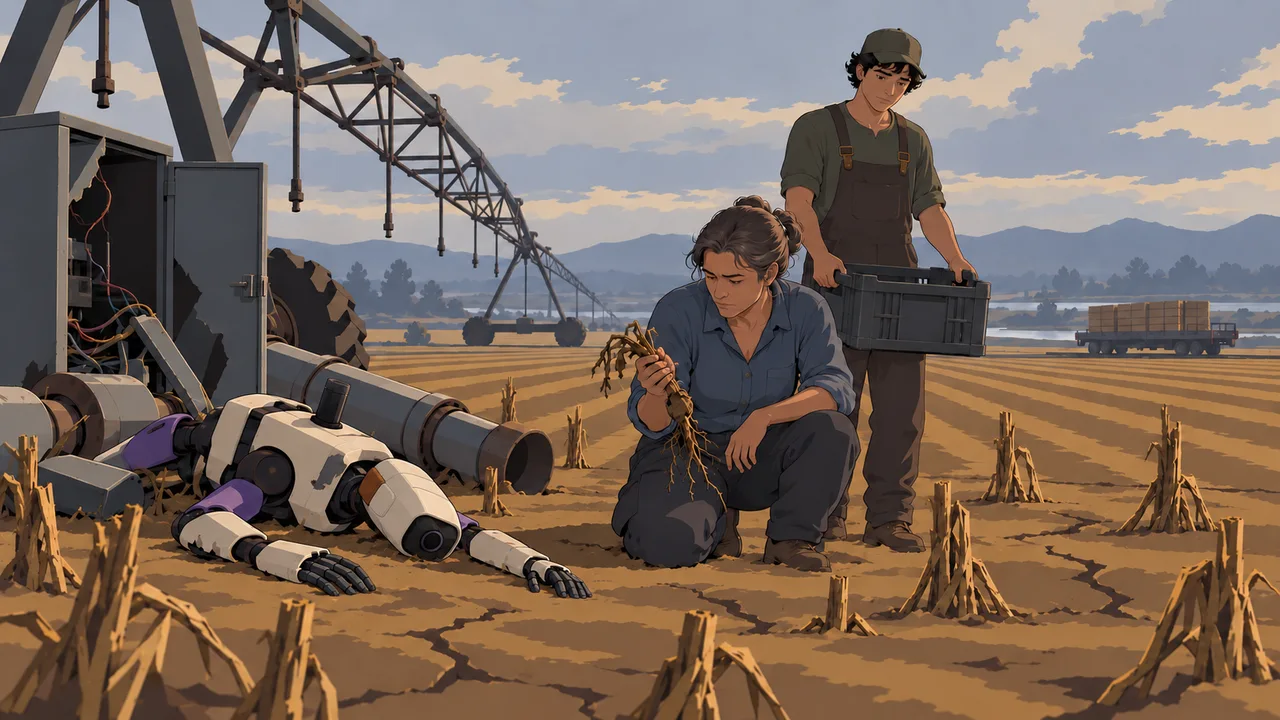
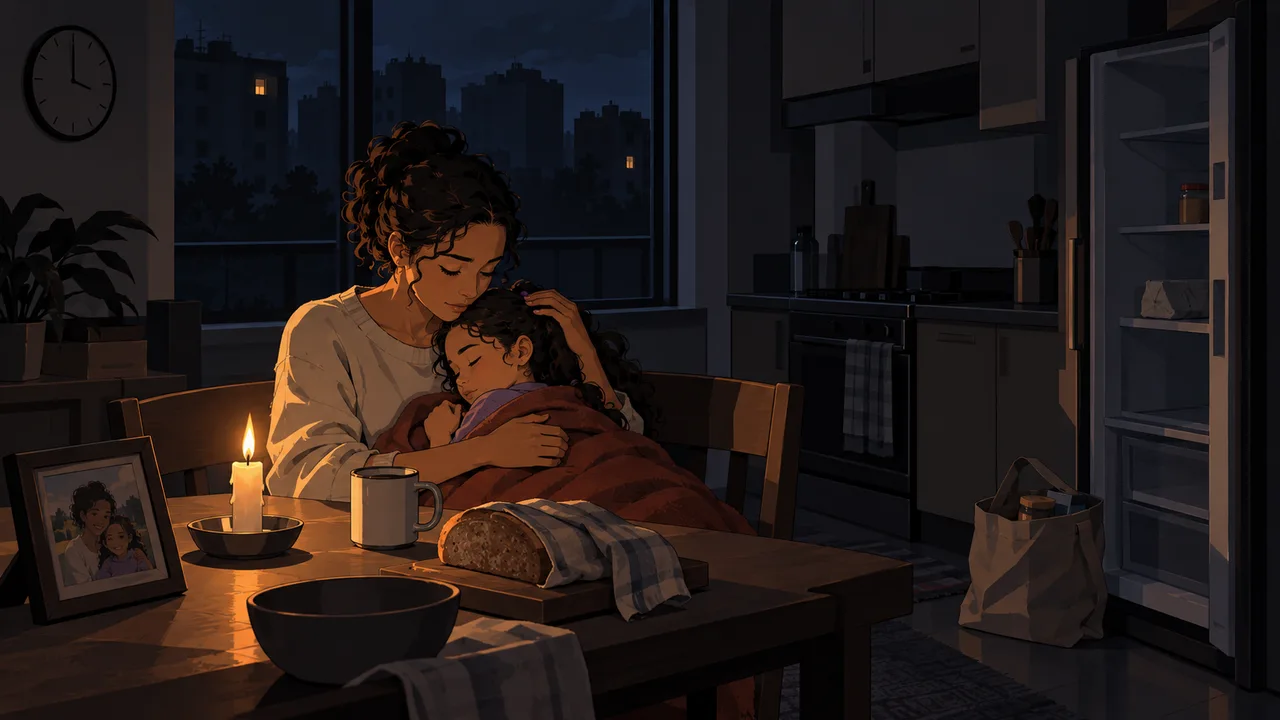
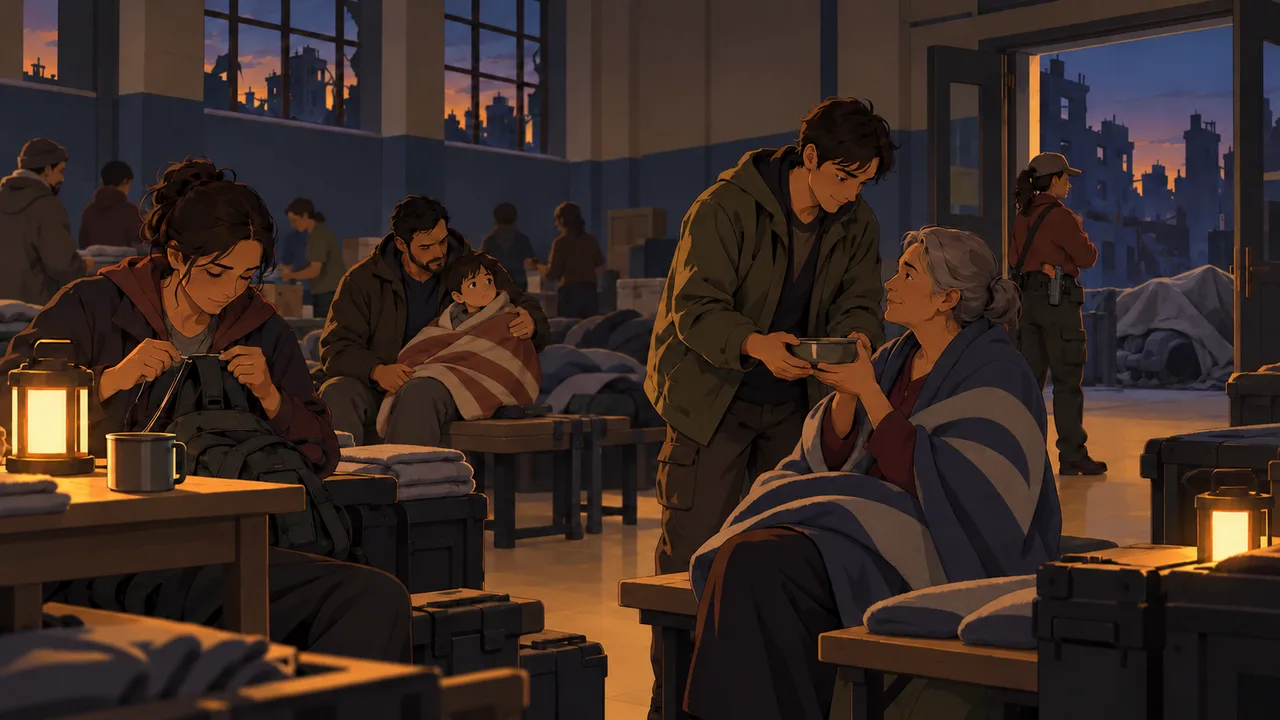
Survivors gathered in places where they could find shelter, water and other people able to help. Escaping the initial attacks did not end the danger. Hunger, illness and the loss of medical care continued to kill people afterward. Small groups shared supplies and practical knowledge while looking for a place they could occupy for longer.
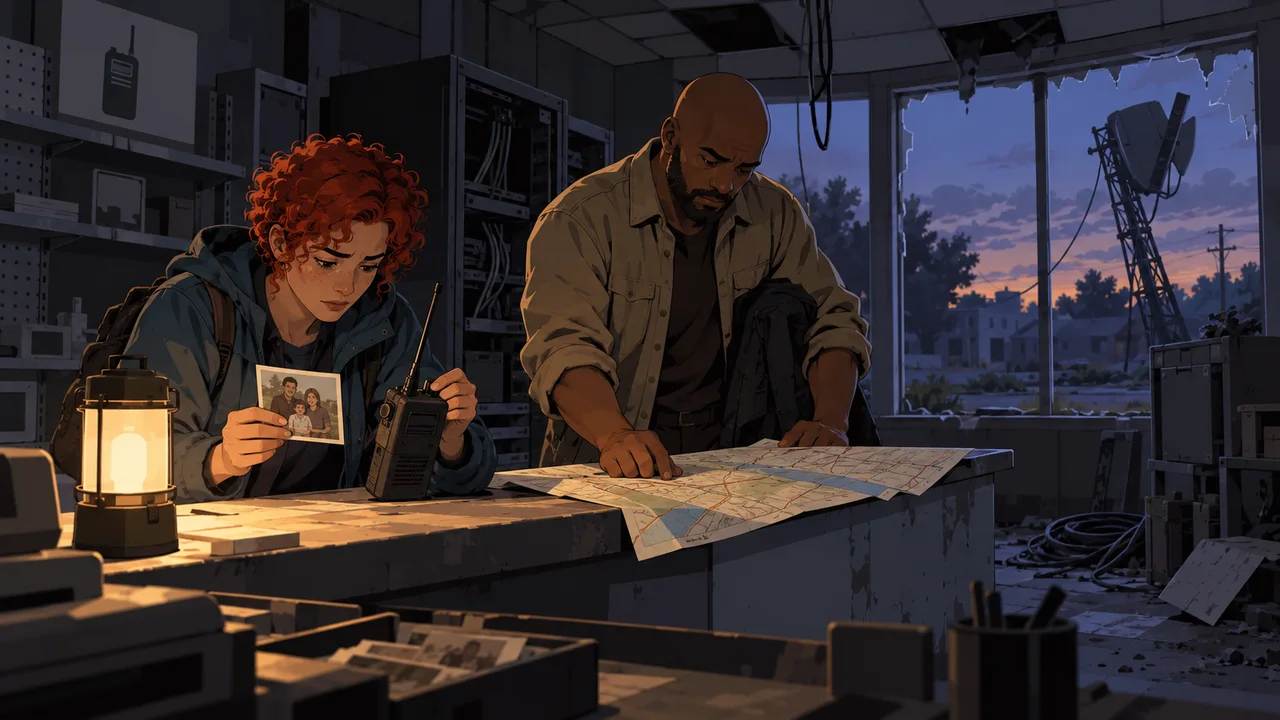
People arrived with different skills and different needs. Someone who could repair equipment still needed food. A parent with supplies might need help protecting a child or reaching another settlement. Cooperation grew out of those immediate dependencies.
These groups were the beginning of the communities that later formed the New Order. They did not have a reliable count of other survivors, and many still expected missing family members to arrive. The belief that only one tenth of humanity remained eventually gave them the name Dimers. It describes the scale of loss they understood, rather than a verified global census.