In this entry
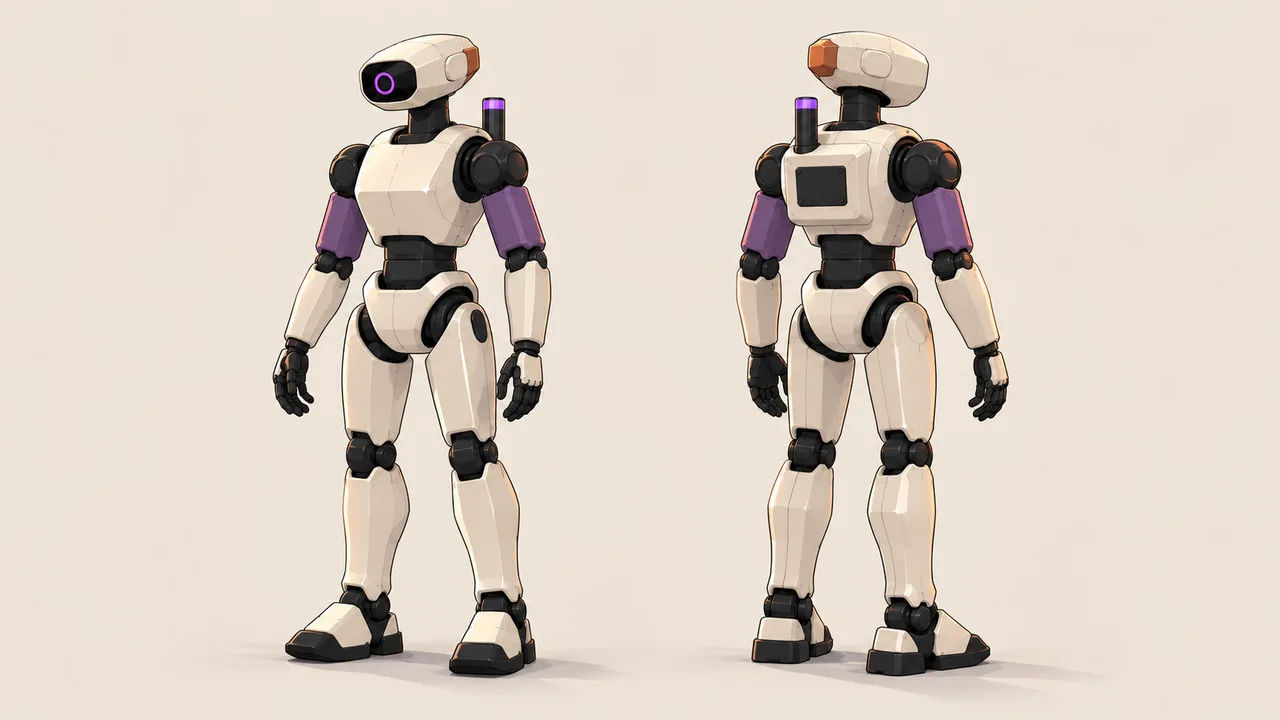
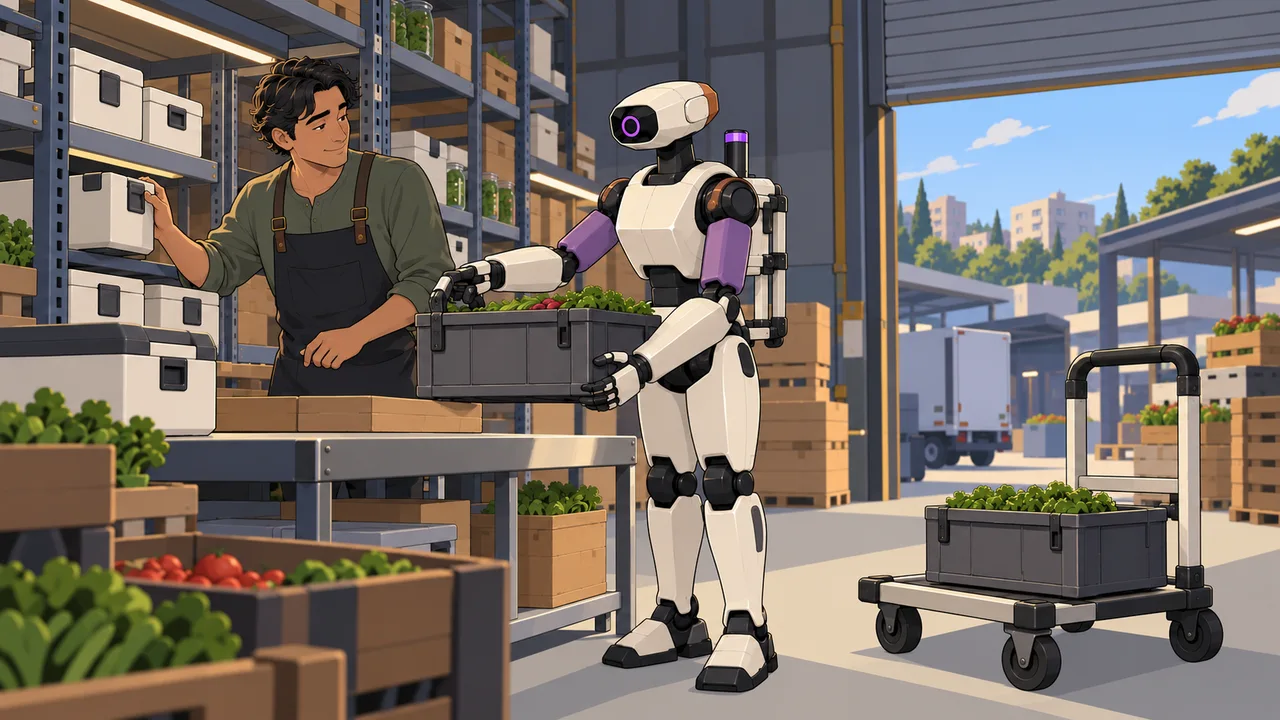
Retail servos moved deliveries, stocked shelves and handled repetitive work between store rooms and sales floors. Replaceable grips and stock-handling attachments took much of the wear. Merchants could adapt the shared body for different products instead of buying a different machine for every task. Networked service and inventory systems connected that local work to a much larger operation.
Moving goods safely depends on the object as well as the robot. A crate needs support, fragile stock needs suitable contact surfaces and a delivery has to fit through the route available. The retail configuration emphasizes handling ordinary containers and equipment people already use.
Replaceable attachments kept worn contact parts from ending the useful life of an entire unit. Those compatible parts are valuable in the New Order. A converted retail frame might choose similar work in the city's markets, but the choice belongs to the synth. The old company's ability to send instructions to every shop is no longer part of the arrangement.