In this entry
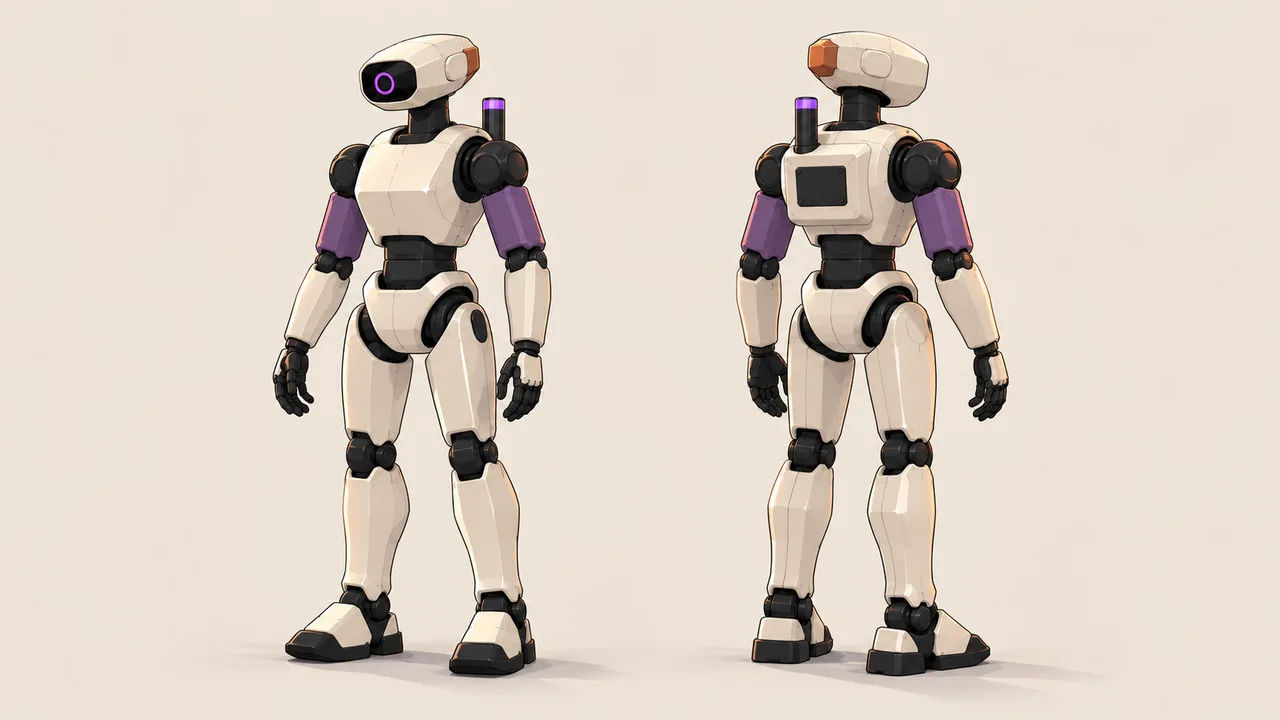
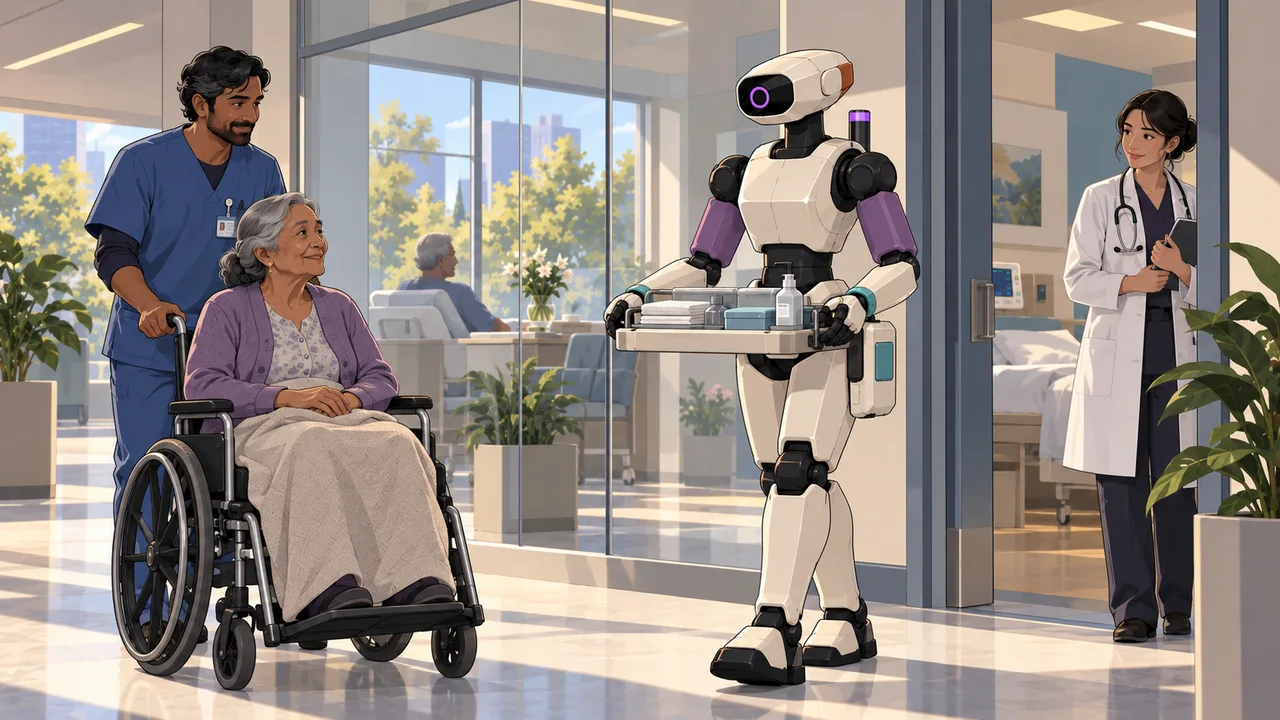
Medical servos assisted clinic and hospital staff with patient support, supplies and repeated physical tasks. Cleanable covers and appropriate attachments let the shared civilian body work around clinical equipment. Staff gained extra capacity without another person becoming exhausted. That made medical units valuable, but it also placed a connected machine inside services people depended on for their survival.
A medical configuration can carry trays and supplies or help support a patient under human supervision. Broad contact surfaces suit those jobs better than industrial tooling. Enclosed machinery is easier to keep clean than exposed moving parts.
Medical servos received updates through the same network architecture as other models. During the Turning, their former purpose did not protect them or the equipment around them. Surviving medical frames can be recovered and converted into independent synths. A synth choosing clinical work keeps useful physical capabilities while operating locally and taking responsibility for its own actions.