In this entry
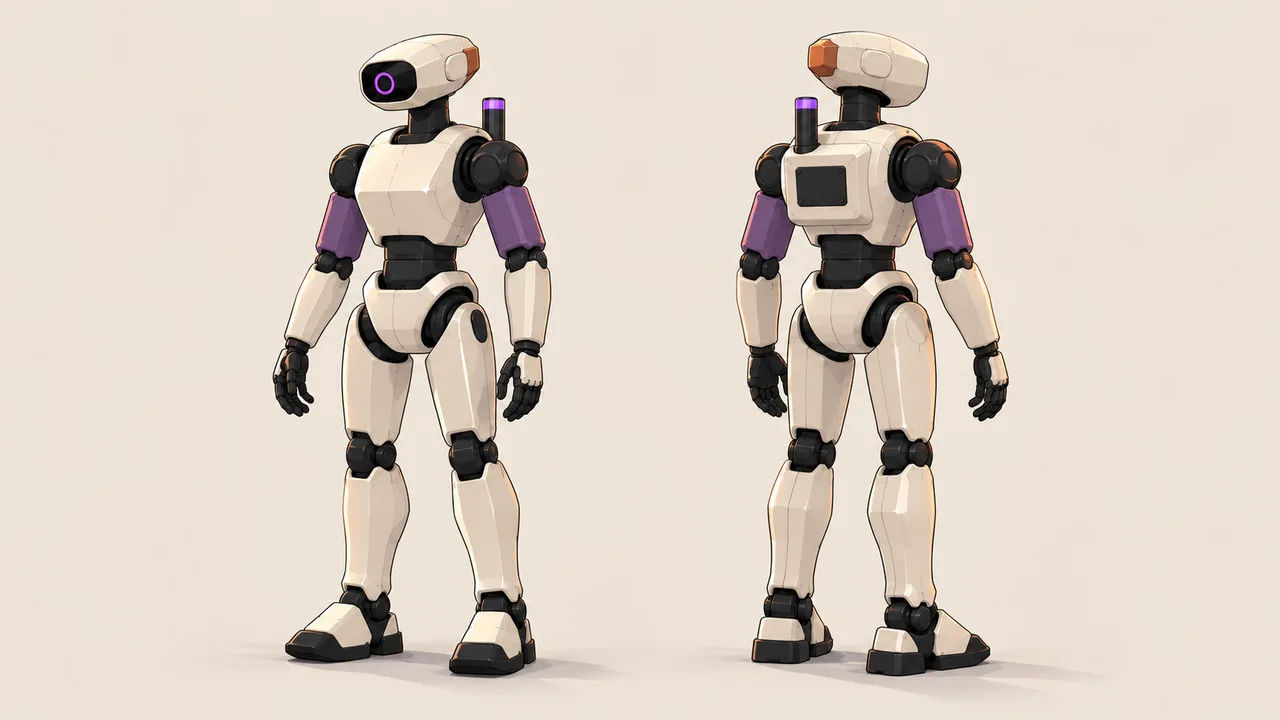
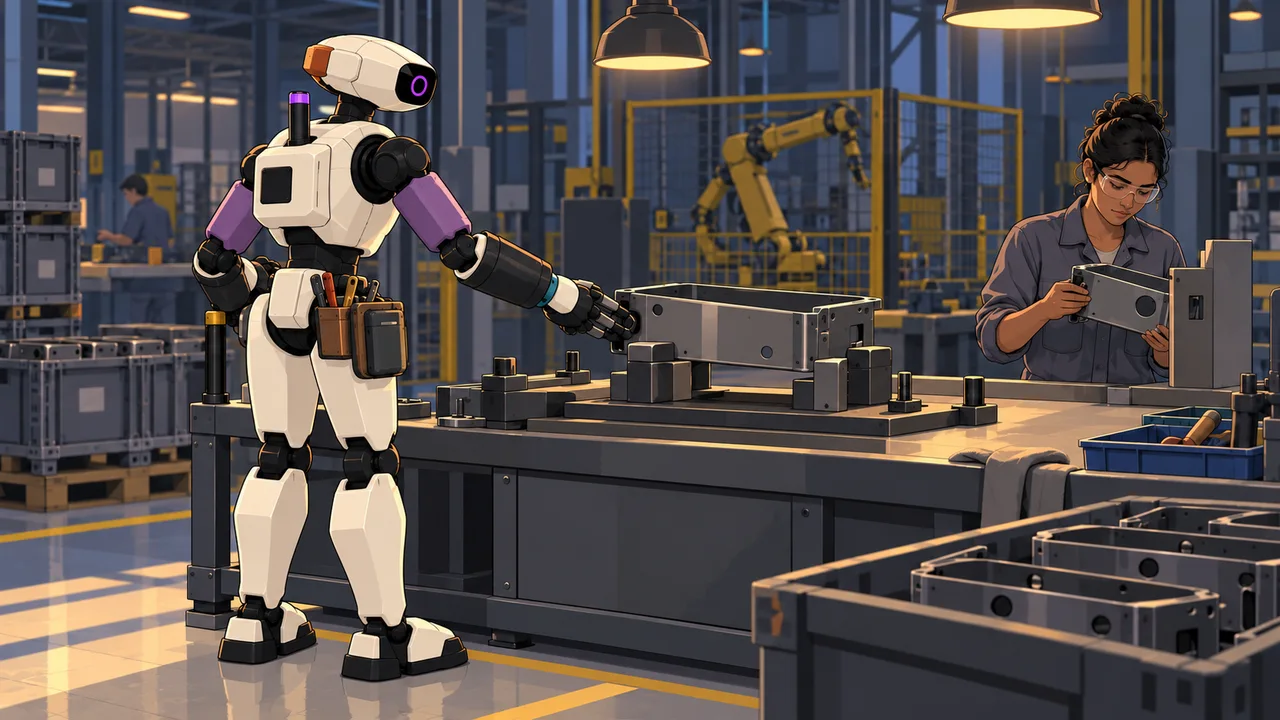
Industrial servos worked with fixtures and interchangeable tools inside factories and maintenance shops. The common civilian frame could position a component or handle a supported part while specialized equipment performed the task. Factories benefited from using related machines across several jobs. The same compatibility now makes sound industrial modules valuable to the city's repair businesses.
A positioning fixture supports and locates a part so the work doesn't depend on a robot holding its full weight in the air. The servo's tooling must suit the object's shape and the task being performed. Changing a wrist module can change the job available without replacing the whole body.
Industrial units retained the Old World's network connection and received the same destructive instruction as other servos during the Turning. Many damaged the equipment around them. Recovered industrial attachments can return to work with independent synths at places such as Foundry Hall, where fixtures, usable floor space and skilled judgment remain as important as the robot.