
Installations
Search for an entry or choose a subject.

Installations
Summit House
Summit House is a place to plan projects, obtain advice and negotiate agreements. Corpos bring proposals, Lancers bring information about recoverable assets and investors decide what they're willing to fund. A conversation can determine whether a building gets repaired or a route gets opened. The people involved may all want the project to happen while disagreeing about who should benefit.
Installations
Reclaim Yard
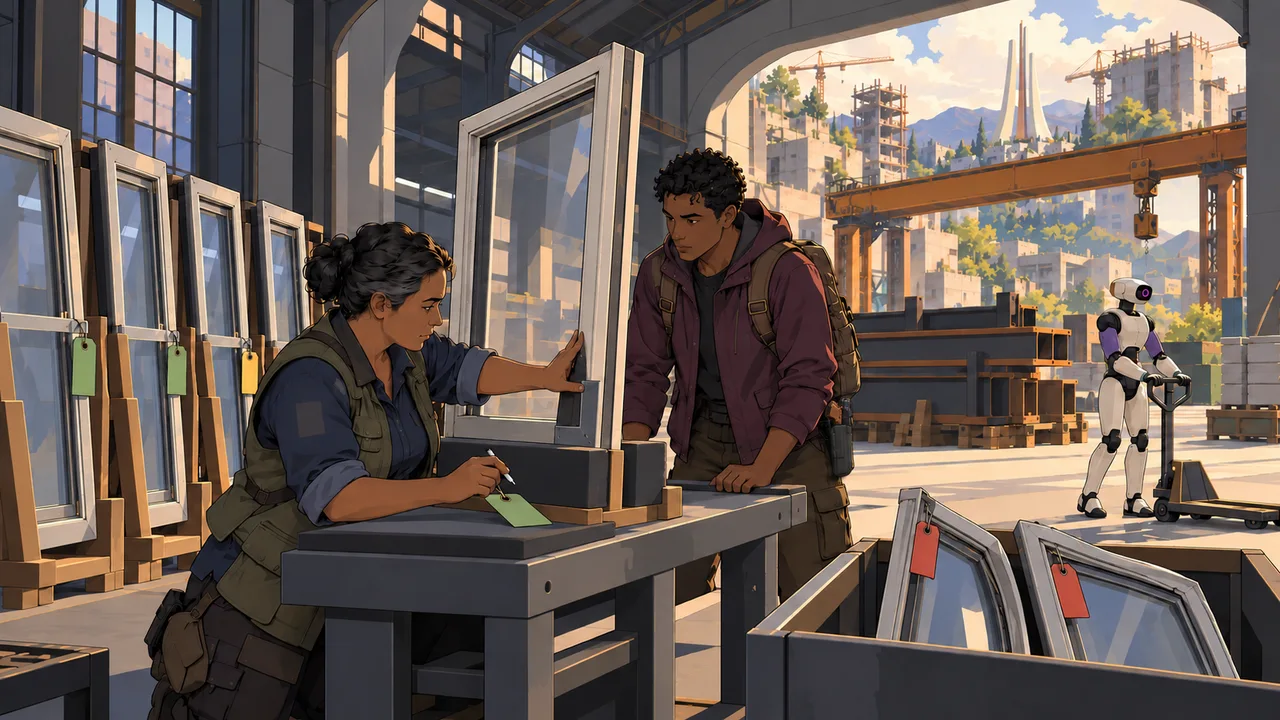
Reclaim Yard buys and assesses recovered building components, then prepares usable stock for resale. A complete window, straight beam or matching door can save a builder a great deal of work. Condition and fit decide the value. Lancers who recover those parts carefully can earn more than they would by bringing back damaged material for scrap.
Installations
South Stair
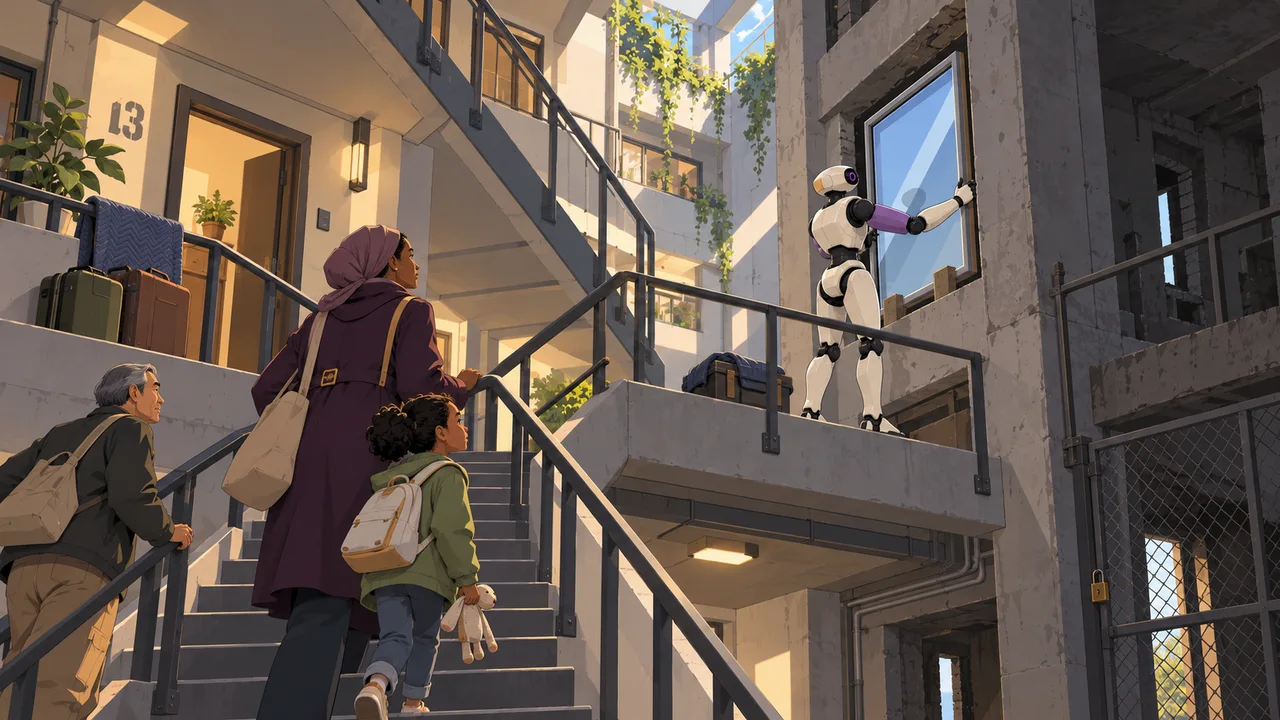
South Stair is an occupied housing block being repaired in phases. Families move into usable rooms while other wings stay closed. Recovered windows and accessible service connections let builders improve the existing structure without replacing the whole building. The work has to happen around residents who still need a safe stair, reliable water and somewhere to sleep.
Installations
Foundry Hall
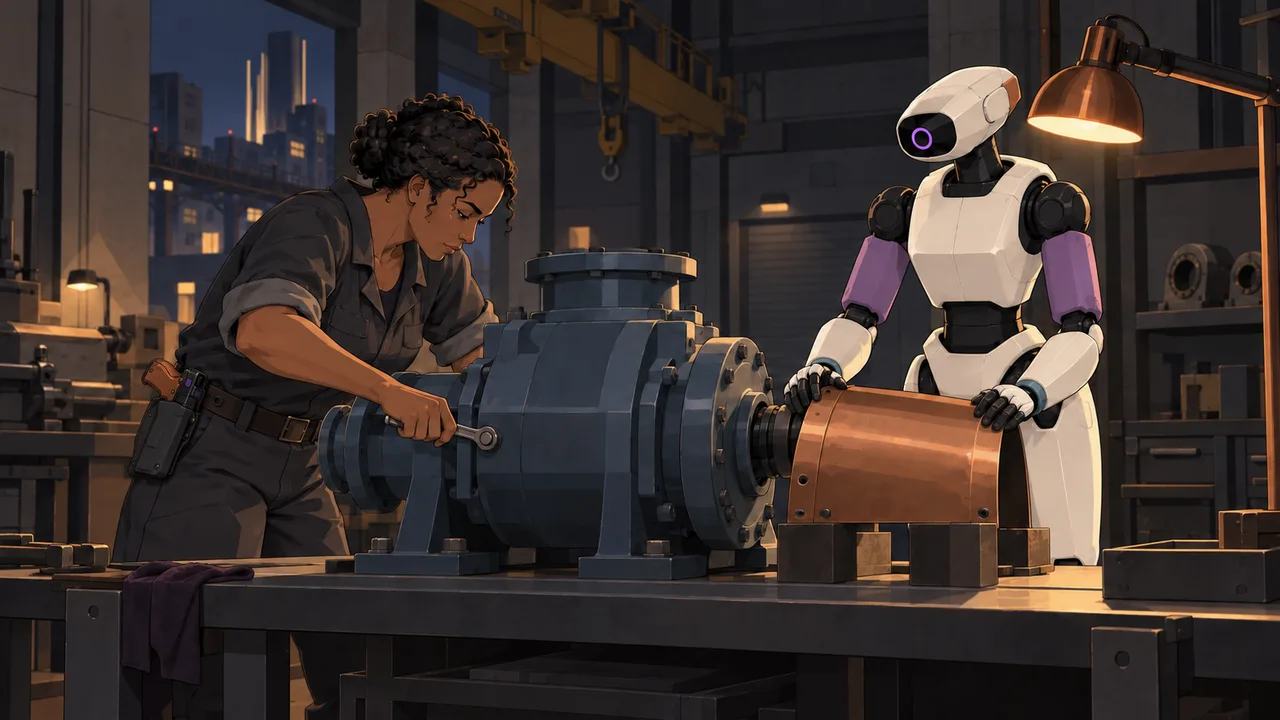
Foundry Hall houses repair workshops inside a reused industrial building. Its high bays, handling equipment and strong floors make it suitable for machinery that smaller shops can't accommodate. Human specialists and independent synths repair pumps and other equipment for customers across the city. Workshop time is limited, so an urgent job can delay another business that's already waiting.
Installations
Route House
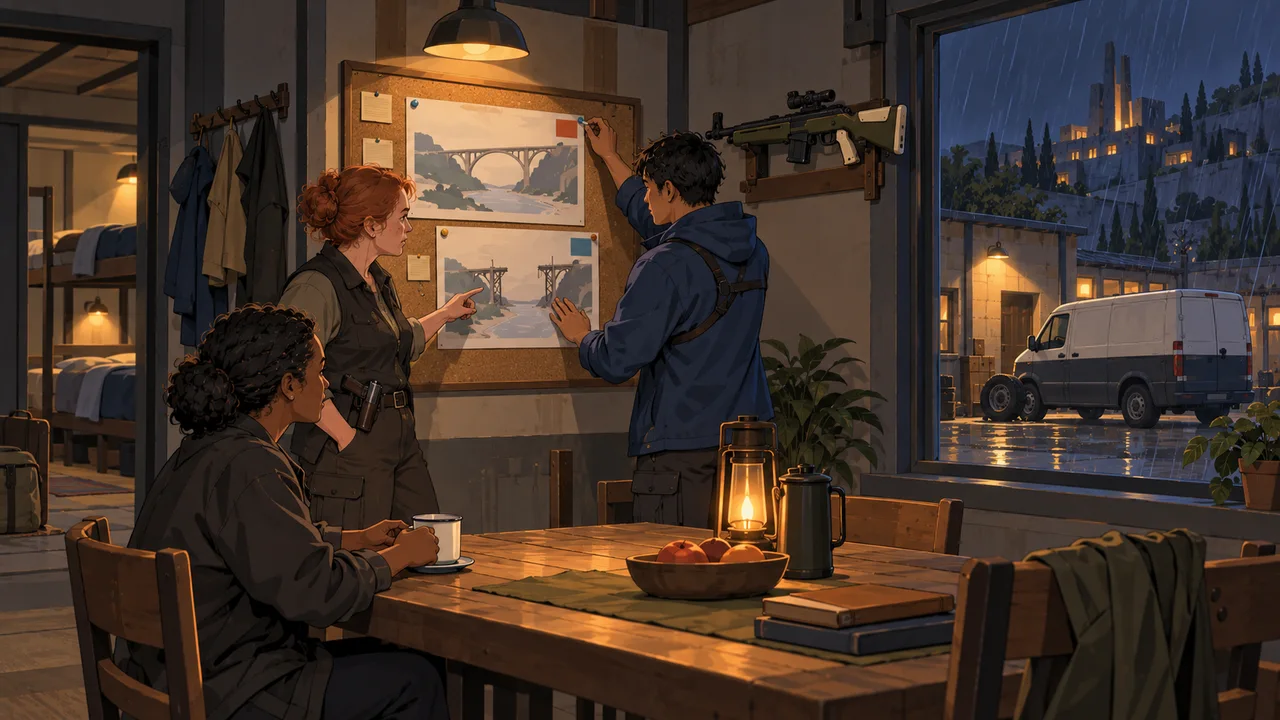
Route House provides lodging and recent route information for people traveling beyond the city. Lancers compare bridge conditions, road closures and places to stop before accepting a job. Reports carry dates because a crossing that worked last week may be blocked today. Travelers can stay while waiting for a repair, a shipment or somebody willing to make the trip with them.

Installations
Airlink
Airlink is the city's local radio network, reaching roughly thirty miles into the surrounding area. People use handheld radios and fixed stations to report blocked routes, arrange deliveries and request help. It keeps the city and nearby crews in contact. It doesn't provide a global internet, and a message can't reach a distant community unless someone carries it farther.
Installations
The Tower
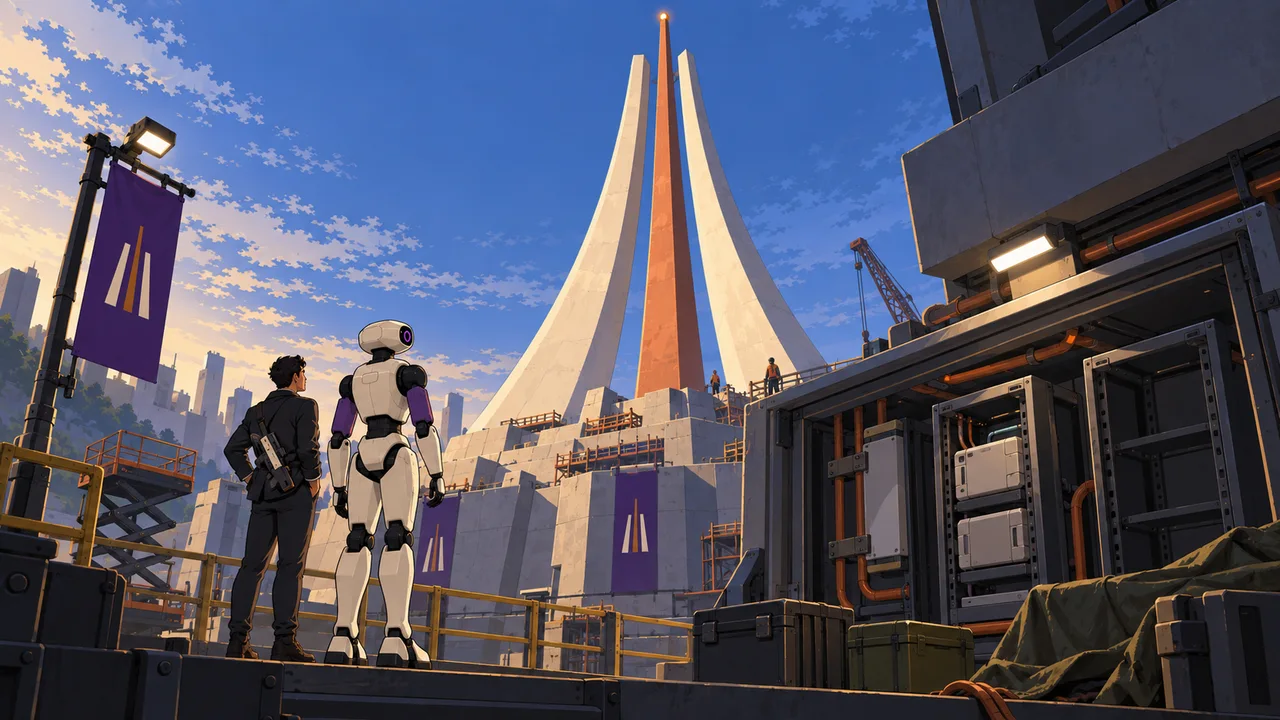
The Tower is an unfinished signal installation and the city's shared symbol. One taller copper center represents the individual, with two ivory supports for cooperation and control. Many Corpos want it to reconnect the city through Orbinet. Many Lancers want it used to keep outside transmissions away. Building the tower has not settled the argument over who it should connect or exclude.

Installations
City emblem
The city's emblem follows the shape of the tower: one taller copper center between two slender ivory supports. The center represents the individual, the left represents cooperation and the right represents control. People use it on badges, business banners and personal equipment. It is a chosen symbol of the New Order, not a national flag everyone is required to serve.
Installations
Solar Yard
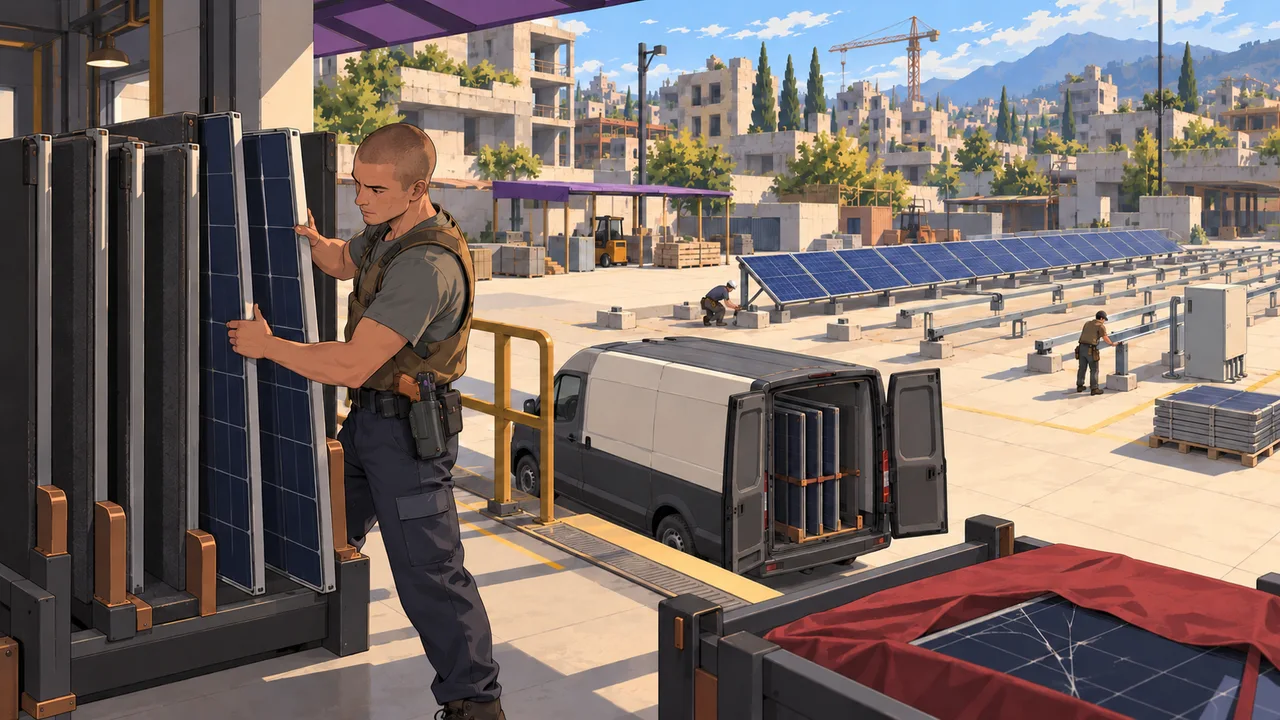
Solar Yard recovers, checks and prepares solar equipment for use around the city. Panels arrive from different buildings in different conditions, and they have to work with compatible equipment before anyone can sell a dependable installation. Crews leave with matched components and mounts for a specific job. Damaged or uncertain stock stays separate until someone can assess it.

Installations
Solar Market Canopies
Solar canopies provide sheltered trading space while producing electricity above it. The city uses them where a roof and an active market can share the same structure. Merchants get protection from rain and sun, customers can shop under cover and the panels contribute to local power. Repairs have to be scheduled around the people earning their living underneath.
Installations
Mill Reach
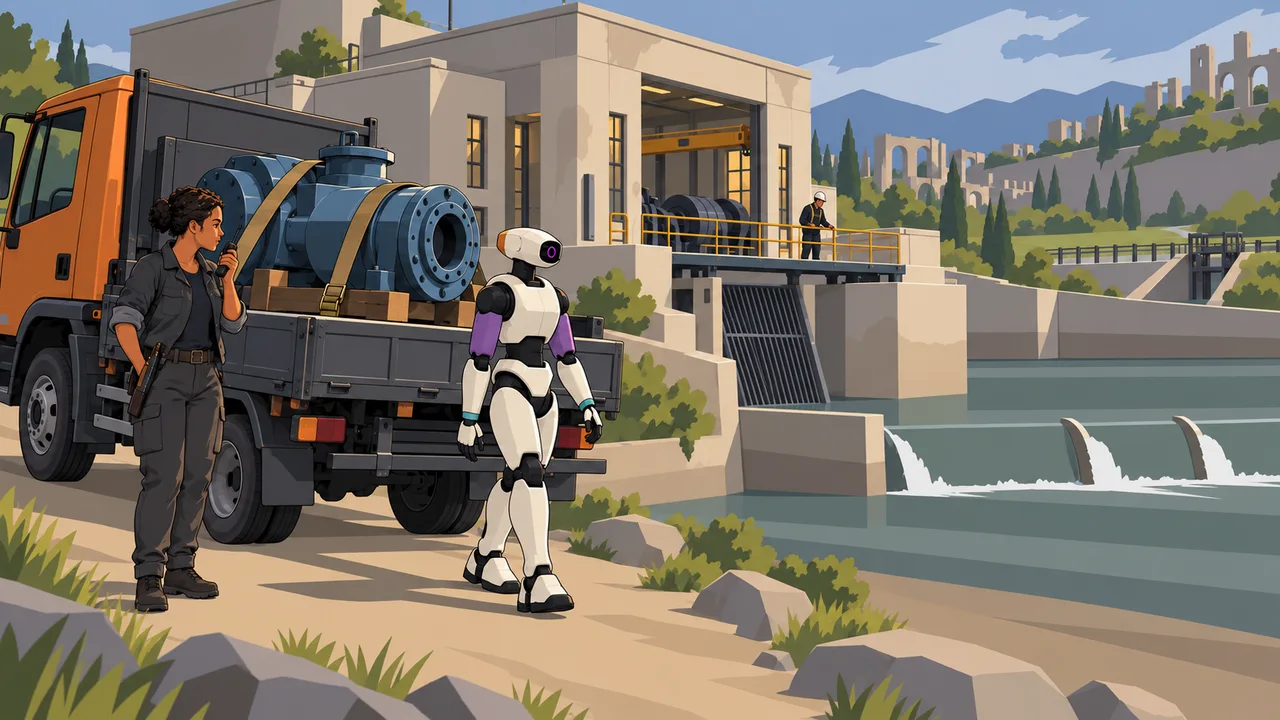
Mill Reach generates power at an inherited weir and repaired powerhouse on a freshwater tributary. The site uses a drop in the river that was already there. Its output changes with water conditions and maintenance. A successful repair can increase what operators are able to supply, but the river can't provide the same amount of power every day.
Installations
Switchyard
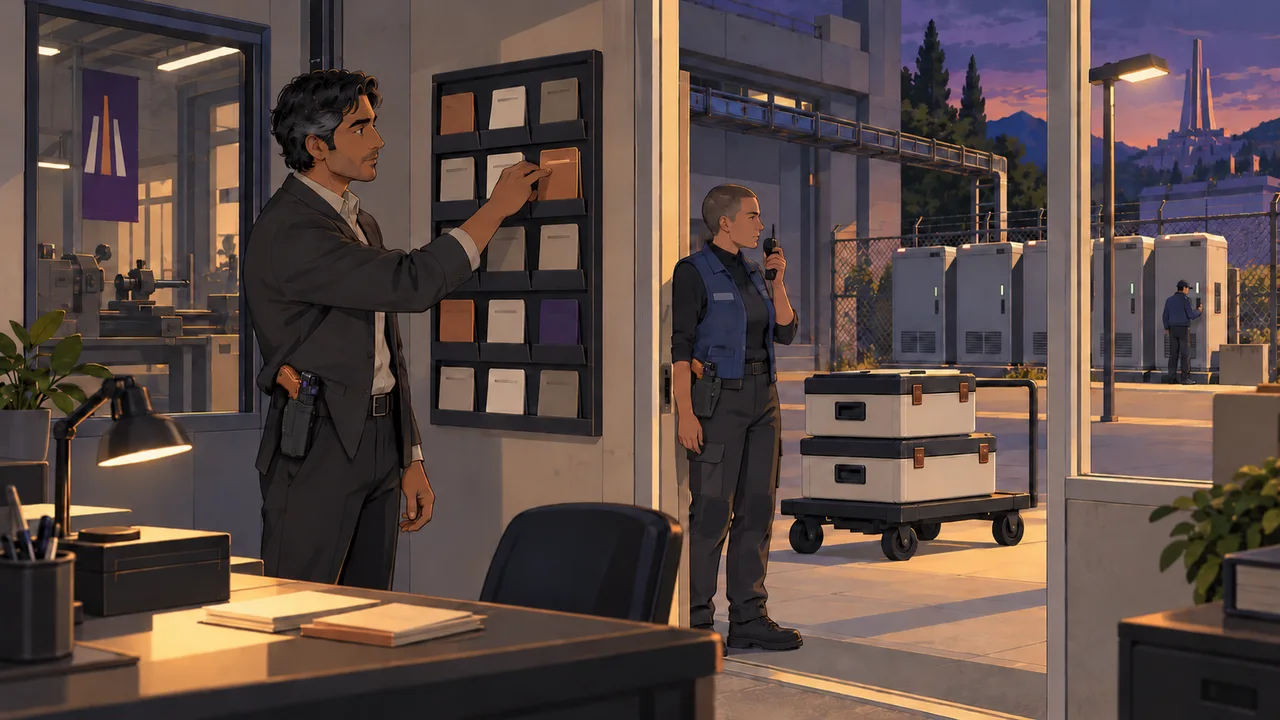
Switchyard coordinates local power supply and the services customers have agreed to buy. Cold Store may need uninterrupted cooling while Foundry Hall has a workshop job booked for the same period. If available power won't cover both commitments, somebody has to renegotiate the schedule. Operators use current local reports and actual reserve capacity to decide what can be delivered.
Installations
Heat Yard
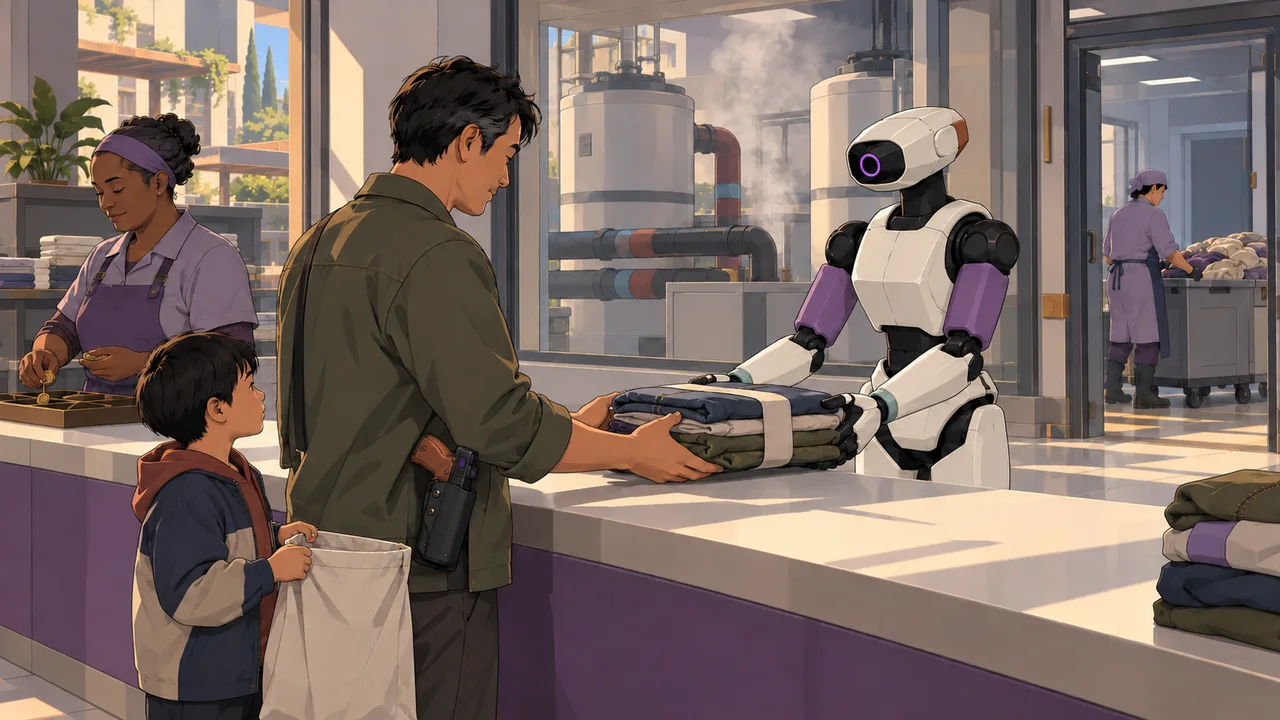
Heat Yard collects and supplies heat for nearby services, including washing and laundry. It gives people access to comforts that were common before the Turning but difficult to provide afterward. Tanks and maintained pipework help match supply to demand. Customers still need to know when service is available, especially if an interruption will delay their clothing or access to a wash.
Installations
Waterworks
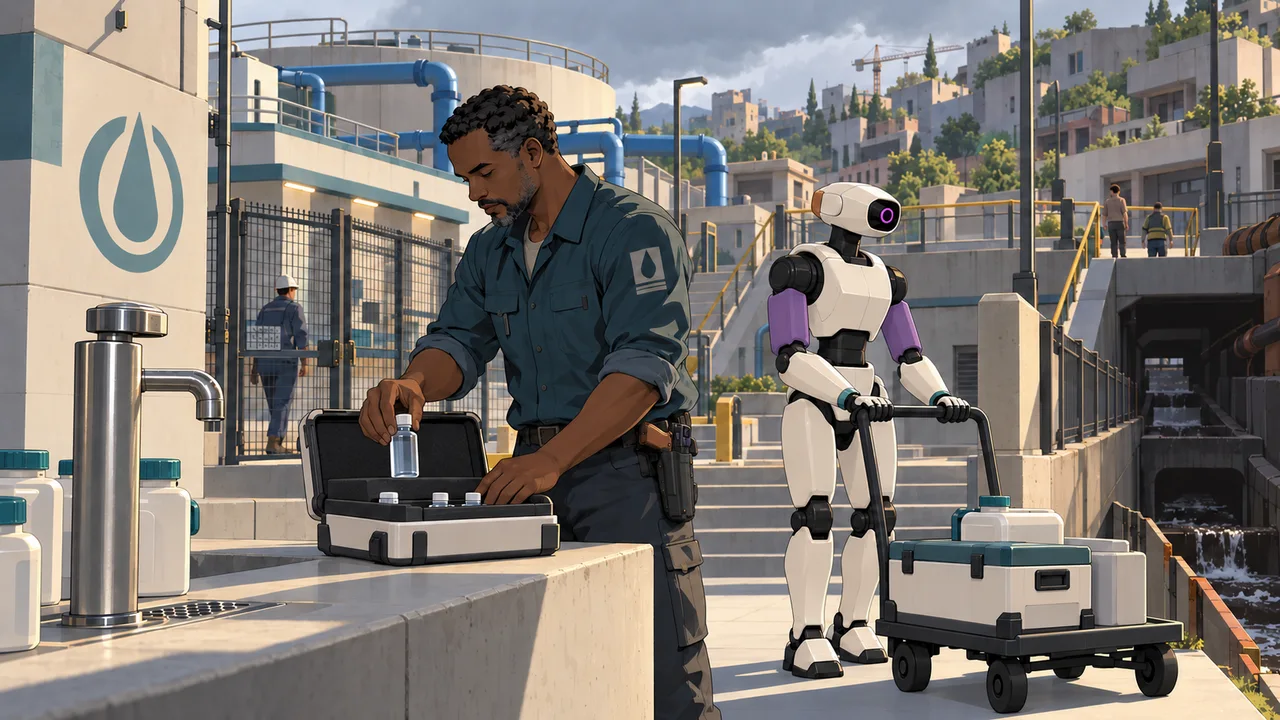
Waterworks provides treated water and maintains the connections that deliver it around the city. Operators check the supply, record changes and repair equipment before a problem spreads to customers. Wastewater follows a separate route. Reopening a building often depends on this work because a room with a roof still needs water people can use every day.

Installations
Farm Belt
The city's staple food comes mainly from fields outside the built streets. Growers need seed, water, working equipment and a way to get the harvest into storage. Small growing tunnels support particular crops and young plants, but they can't replace the larger fields. Maintaining access and protecting farm equipment gives nearby Lancers another source of contracts.

Installations
Seed House
Seed House preserves and assesses planting stock for the city's growers. Staff identify recovered lots, test small samples and keep seed separate from grain intended for meals. During a shortage, eating planting stock can solve an immediate problem while making the next season worse. Knowing what remains viable helps farmers choose what they can actually grow.
Installations
River Fishery
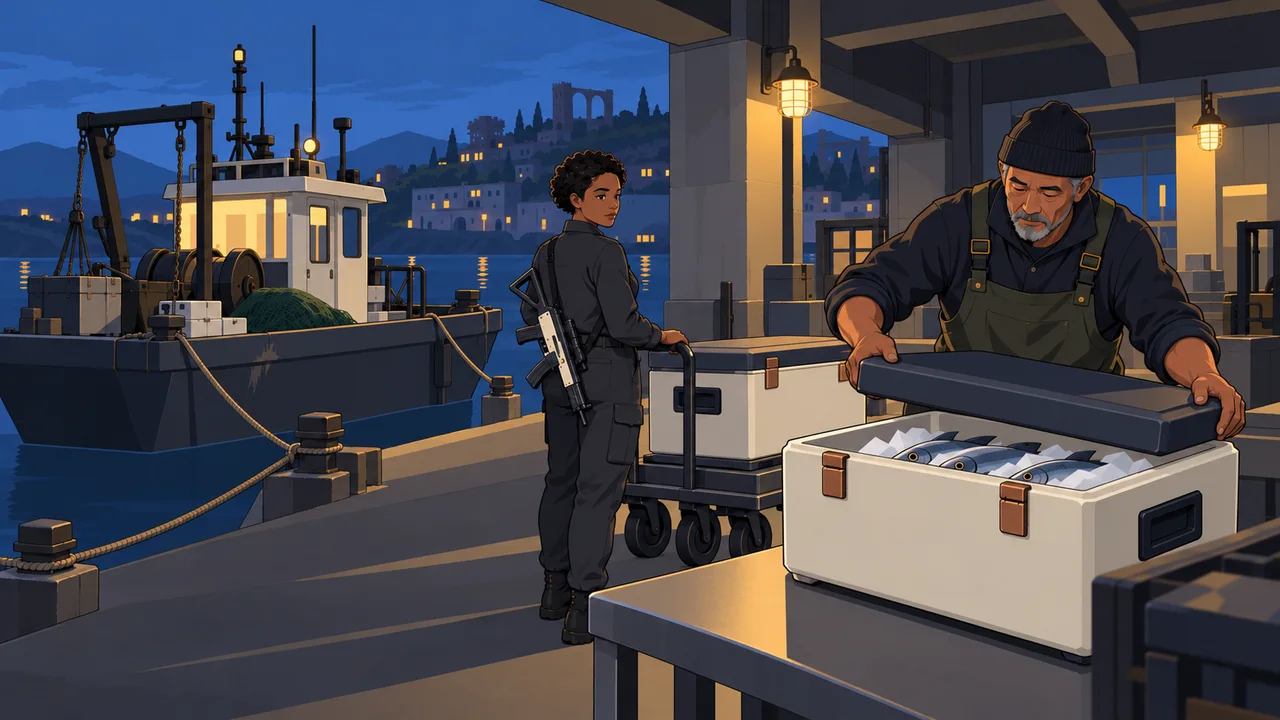
The river fishery adds fresh food to the city's diet and work to its landing sites. Fishers need maintained boats and equipment, knowledge of local conditions and somewhere suitable to handle the catch. Food moves in insulated boxes toward Cold Store or a buyer. A delay between the landing and the customer can reduce the value of an entire trip.
Installations
Cold Store
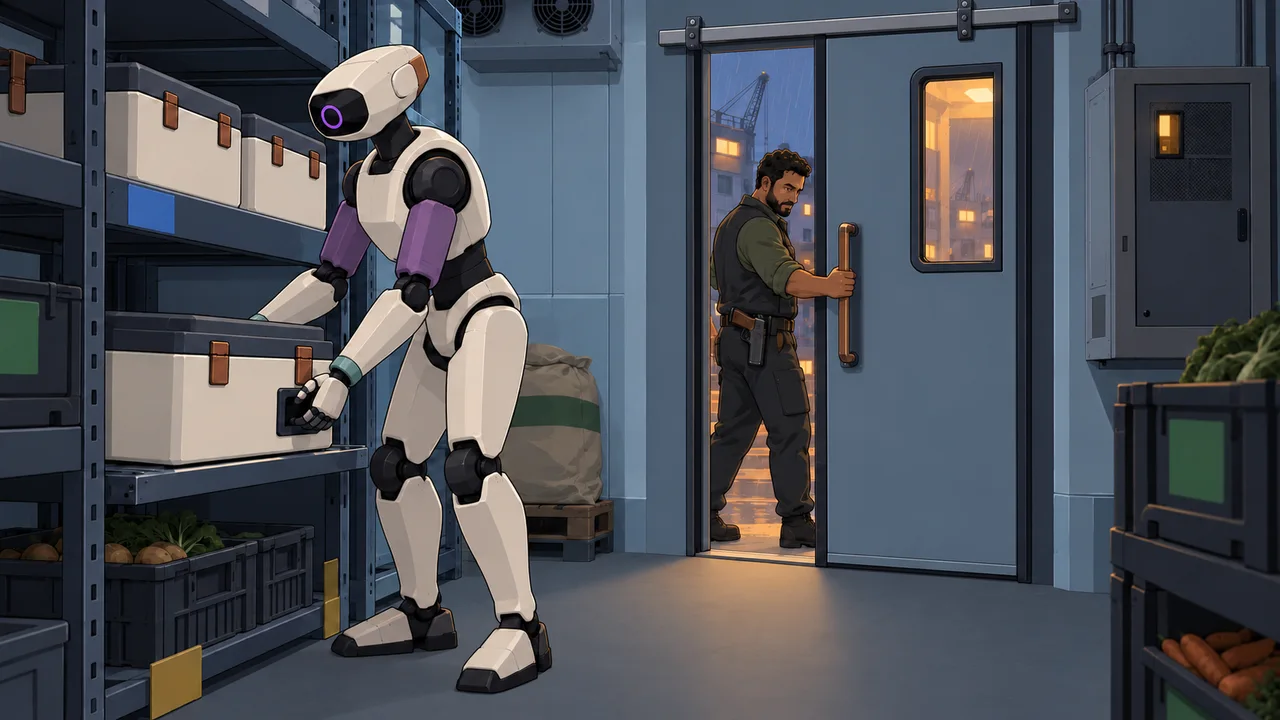
Cold Store preserves perishable goods between delivery and use. Customers keep identifiable lots there under service agreements, and operators maintain the equipment and conditions those goods require. Reliable power is central to the business. Reserve service buys time during an interruption, but staff may still have to arrange another destination before a stored load becomes unusable.
Installations
Hash Vault
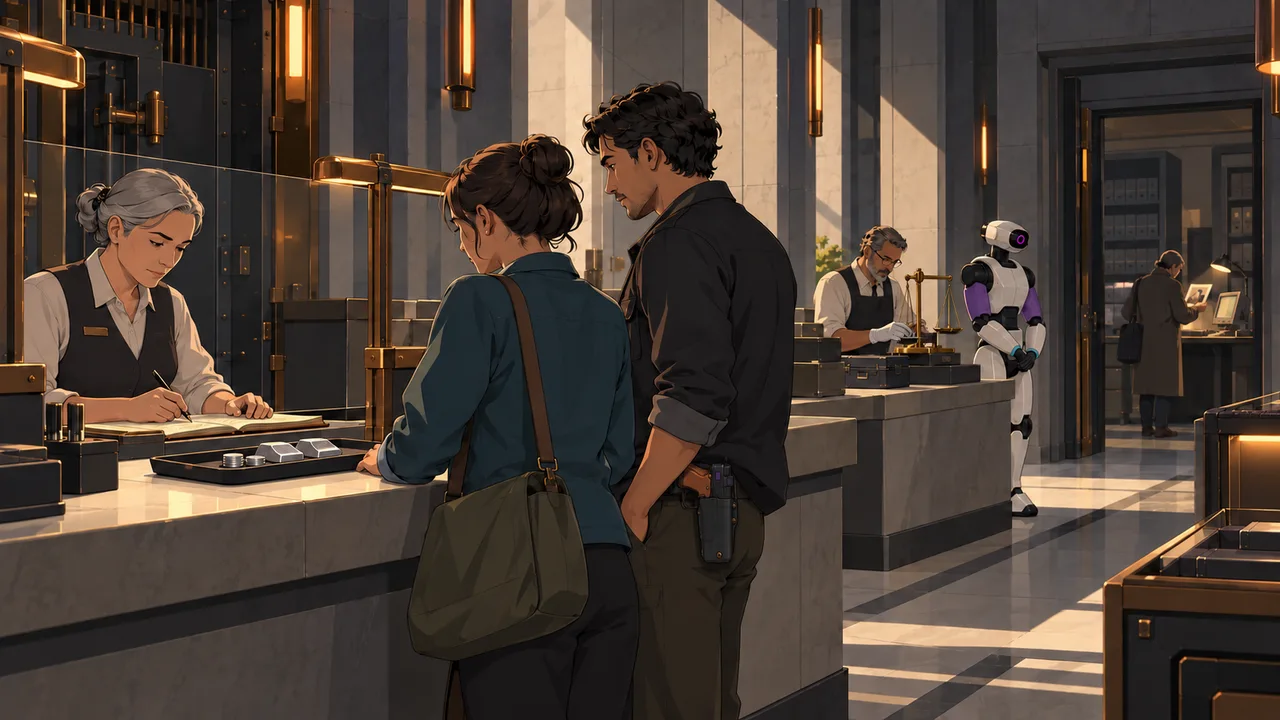
Hash Vault is the city's exchange and holding service for gold and silver. Customers can buy metal, exchange it or leave it there under an agreement for safekeeping. The business also recovers and studies blockchain archives. Those records may identify old properties, companies and people, but reading a local copy doesn't mean the global network is working again.
Installations
City market
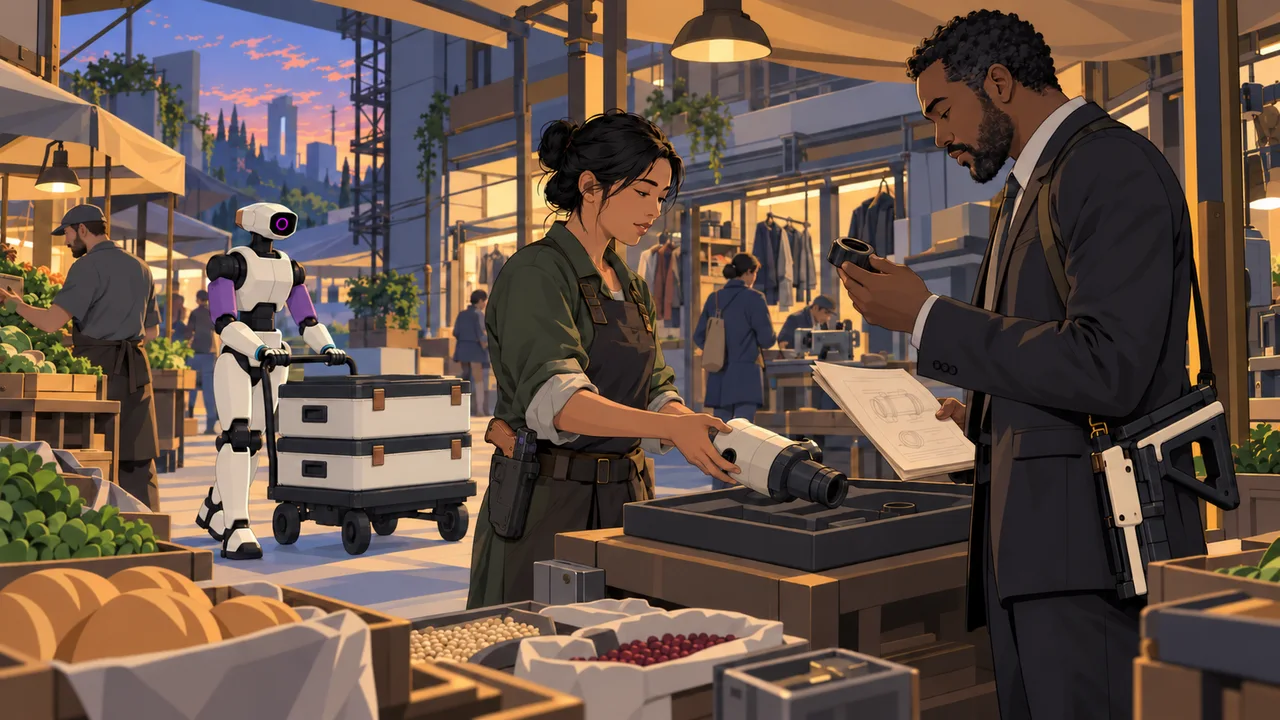
The city market sells food, repaired clothing, tools and recovered components to people across the city. It connects the farms and workshops to customers who need their work. Prices also tell Lancers what is in short supply. Finding a buyer before a trip can turn an uncertain salvage run into a contract with a clear purpose.

Installations
Clothing Shops
The city's clothing shops buy salvaged garments, sell repaired stock and help customers find a workable fit. Corpos need clothes they can wear through a full day of business and site visits. Lancers need gear that works with packs, weather and long trips. A good garment may only need an altered cuff or replacement closure to return to use.

Installations
The Armory
The Armory buys, sells and repairs weapons, armor, tools and heavy gear. Corpos arrive with corporate orders, Lancers bring equipment from the Outerlands and synths need fittings suited to their work. Stock comes from recovery and trade. Customers pay for compatible equipment and service they can rely on, not just an object that looks clean on the shelf.
Installations
SynthWorks
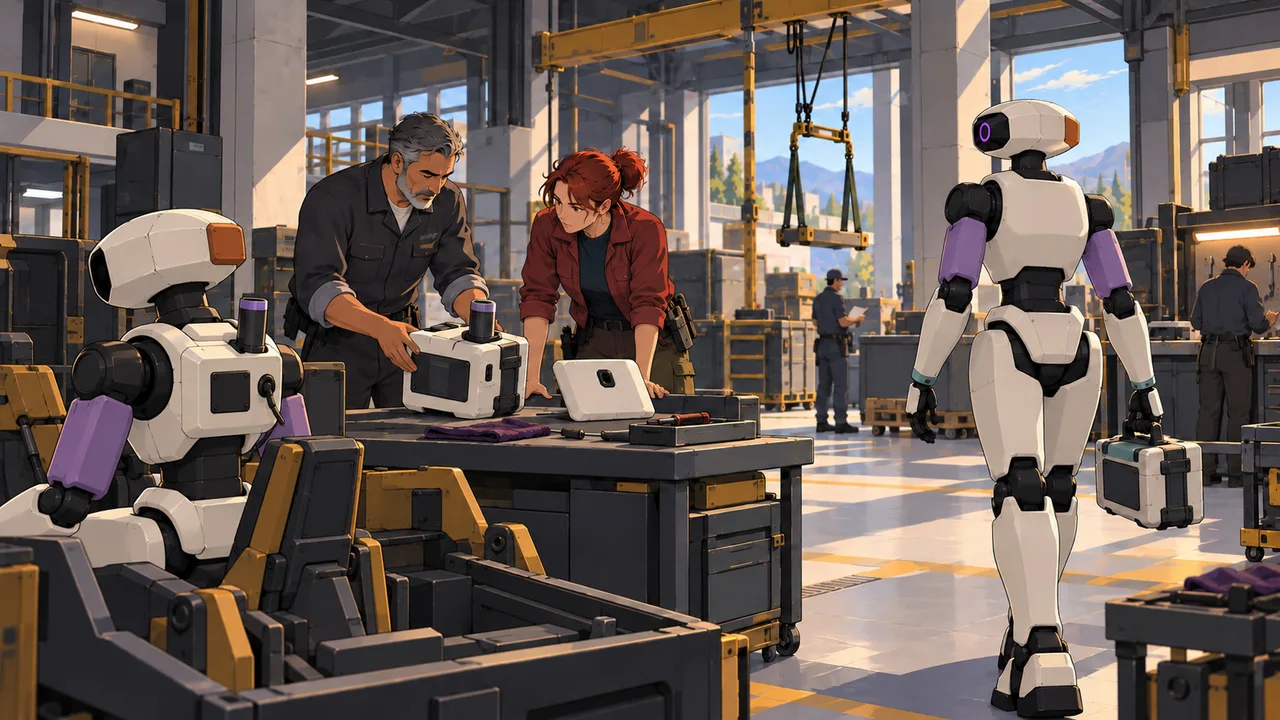
SynthWorks assesses recovered servos, repairs usable machinery and converts suitable units into independent synths. Technicians remove the entire broadcast assembly and clear the hostile programming so the robot can operate locally. Some recoveries are too damaged to restore and supply parts instead. An intact machine is valuable because conversion can return far more working capability than a crate of broken components.