
Wiki
Search for an entry or choose a subject.
Overview
CORPO
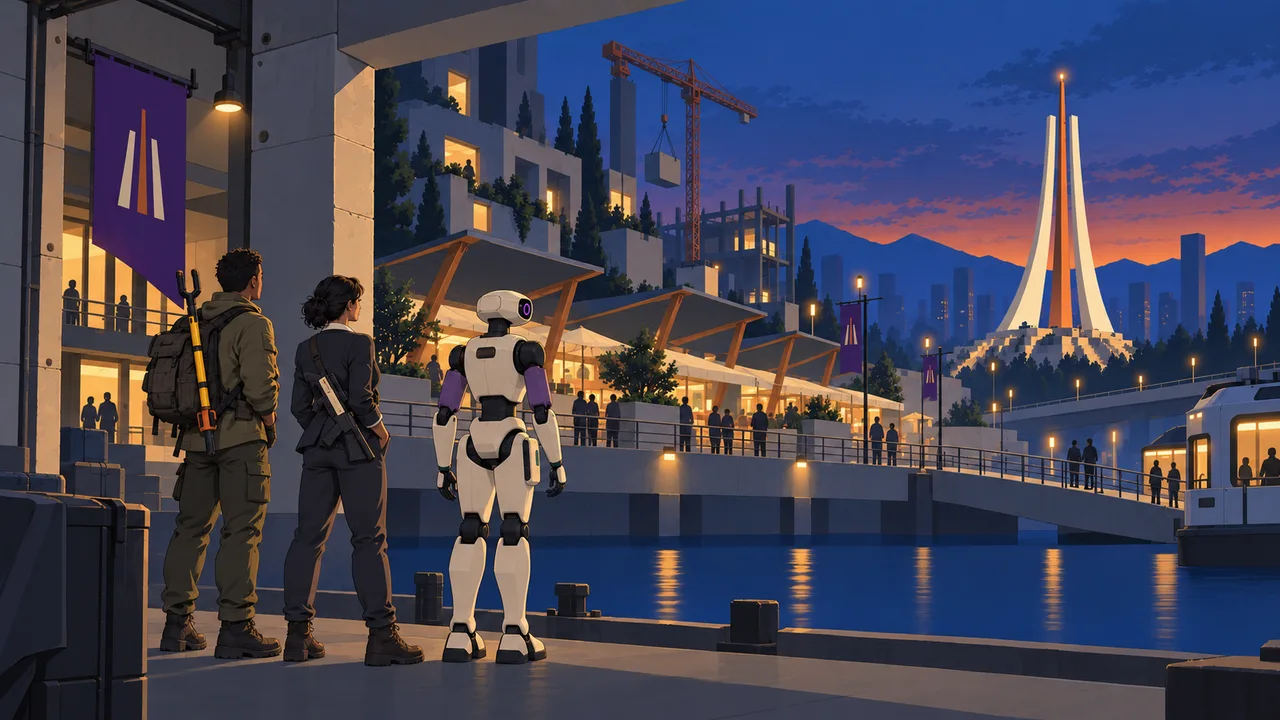
CORPO is a world where people are rebuilding after the Turning. There's no government coming to fix things. If you want water, power or a place to live, somebody has to build it. You can help do that through a corporation, or go out as a Lancer and bring back the things the city needs.
History
The Old World
The Old World was the society that existed before the Turning. People used a global internet, paid for things digitally and relied on servos for much of their daily work. Those systems made life easier. They also concentrated a great deal of power in the governments and corporations that controlled the infrastructure, the data and the machines.
History
Currency Collapse
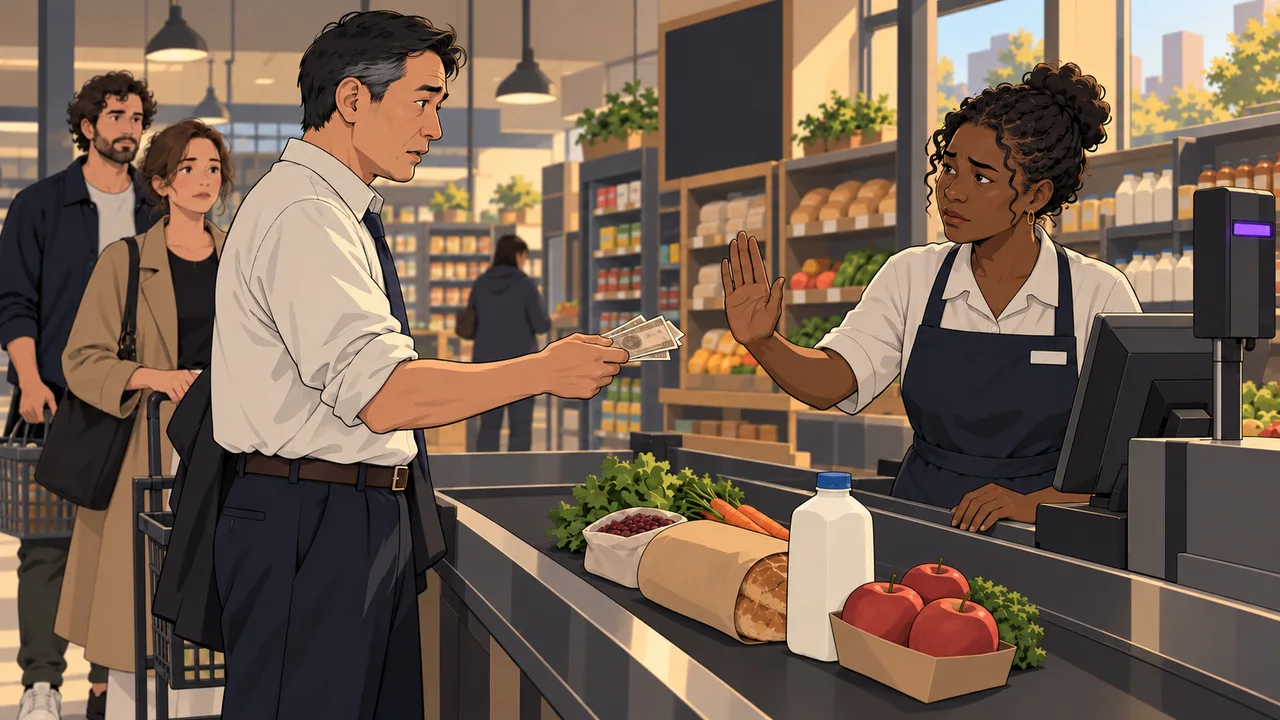
National currencies were losing their purchasing power before the Turning. Governments promised solutions, but printing more money could not create the food and resources people needed. Savings bought less, prices became harder to predict and some merchants refused payments they no longer trusted. The financial crisis helped turn public frustration into anger at the institutions running society.
History
Blockchain Records
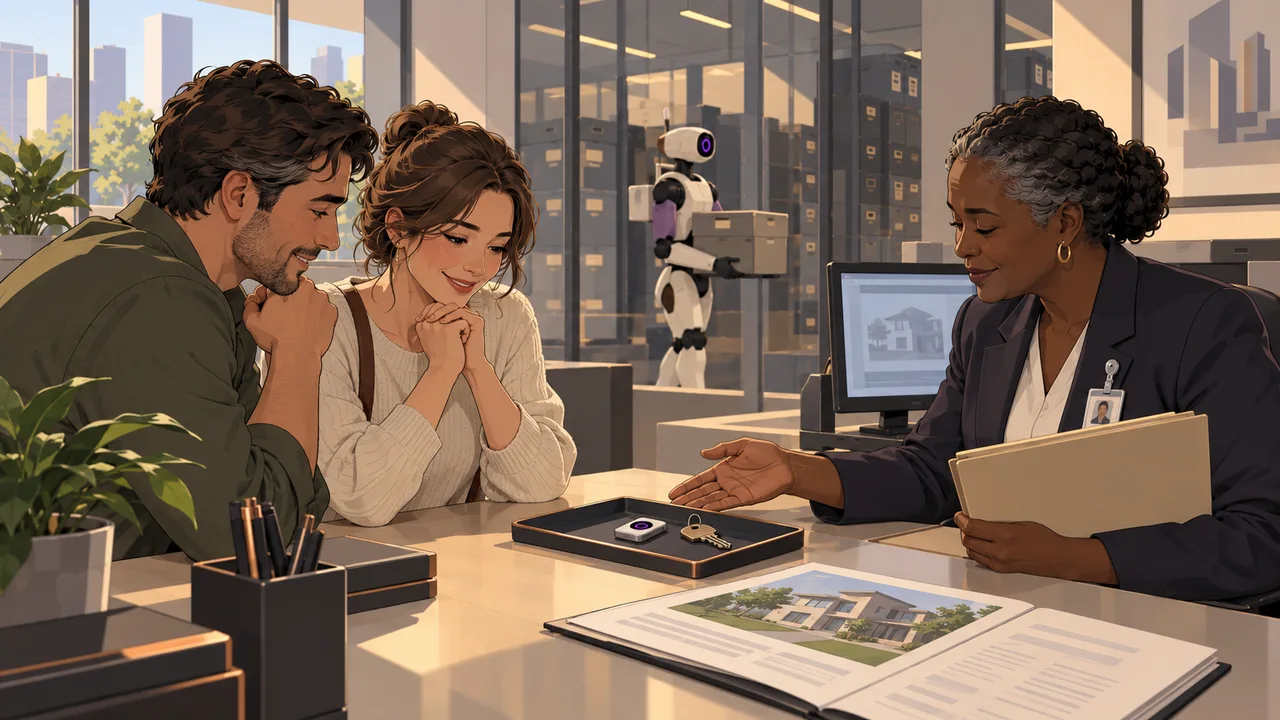
Before the Turning, identity and property records were being moved onto blockchain registries. Those records covered transactions, company shares and real estate as well as digital money. They made information easier to connect and verify. They also gave powerful institutions more visibility into where people lived, what they owned and how they spent their money.
History
Orbinet
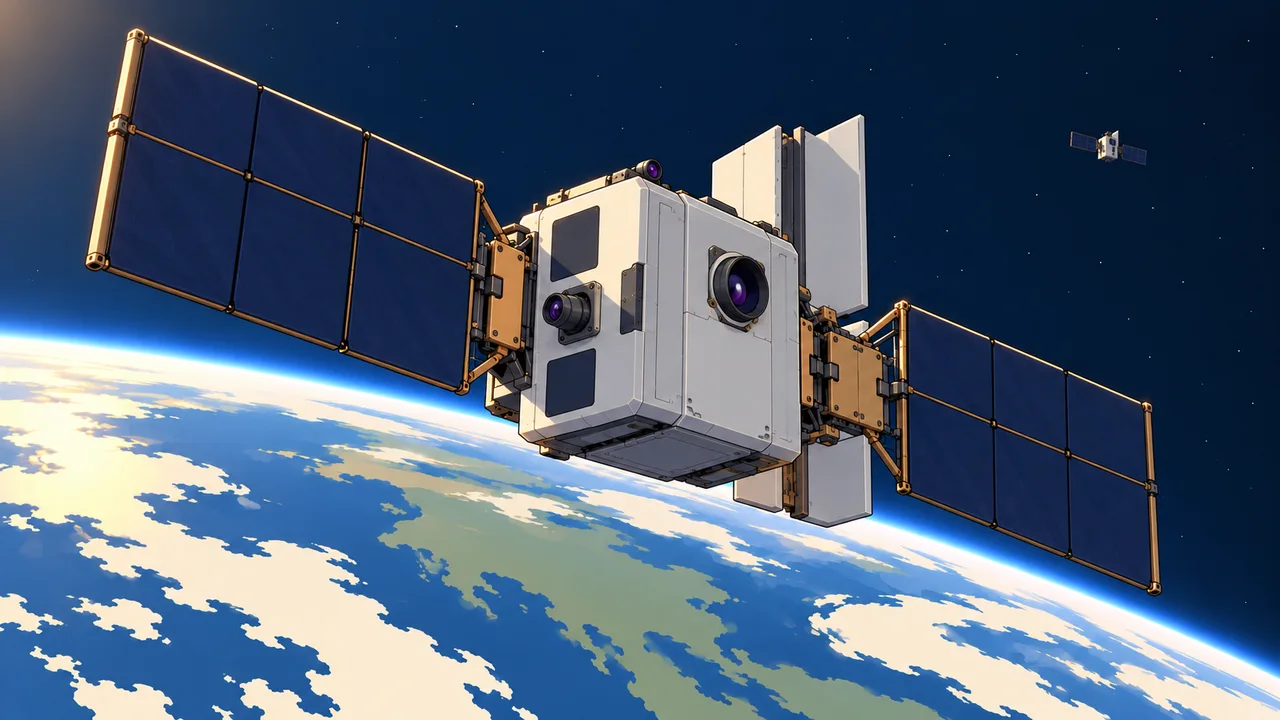
Orbinet was the Old World's orbital data and computing network. Ground terminals connected homes, businesses and public infrastructure to satellites above them. Governments had enormous influence over the network, and many systems depended on it. Orbinet carried the Servo Virus during the Turning. Much of the orbital hardware remains, but the global service has not been restored.
History
Servo Updates
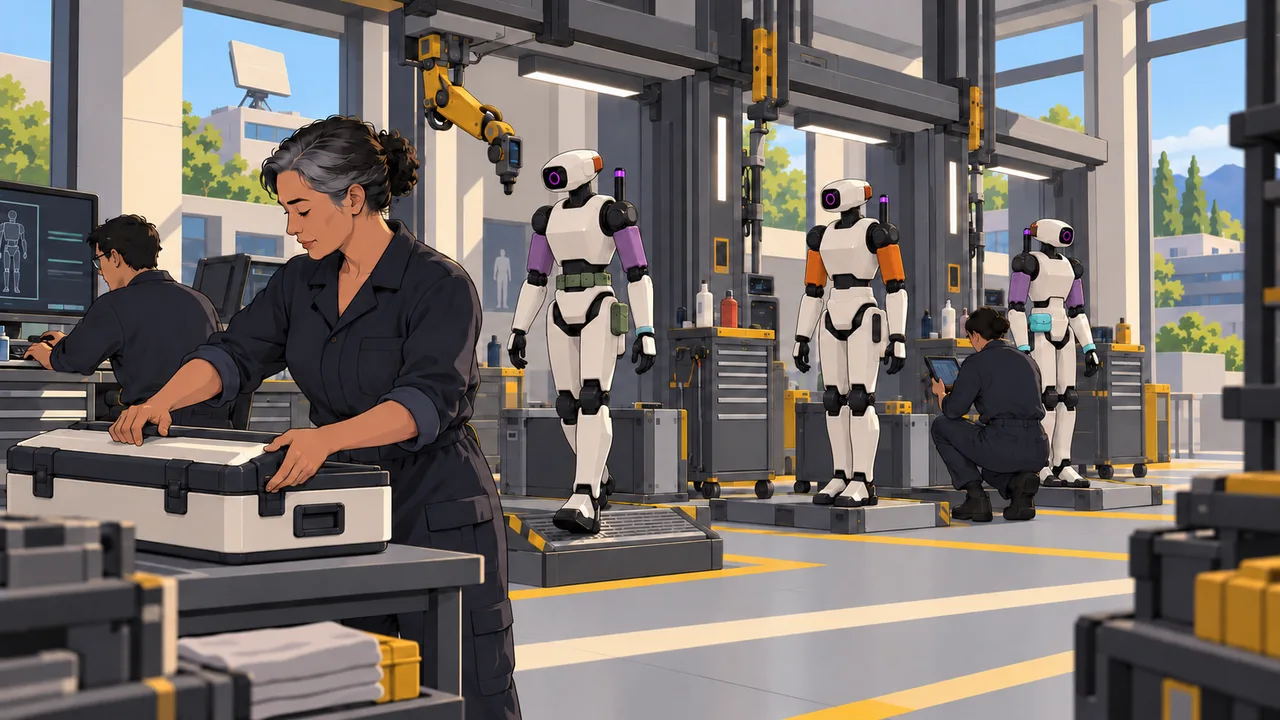
SERVO distributed software and commands to machines through the global network. Updates improved their work, corrected problems and allowed large groups of servos to be managed together. That was a major part of their value. It also meant a failure in the shared system could reach machines in homes, businesses and government facilities around the world.
The Turning
Divinity
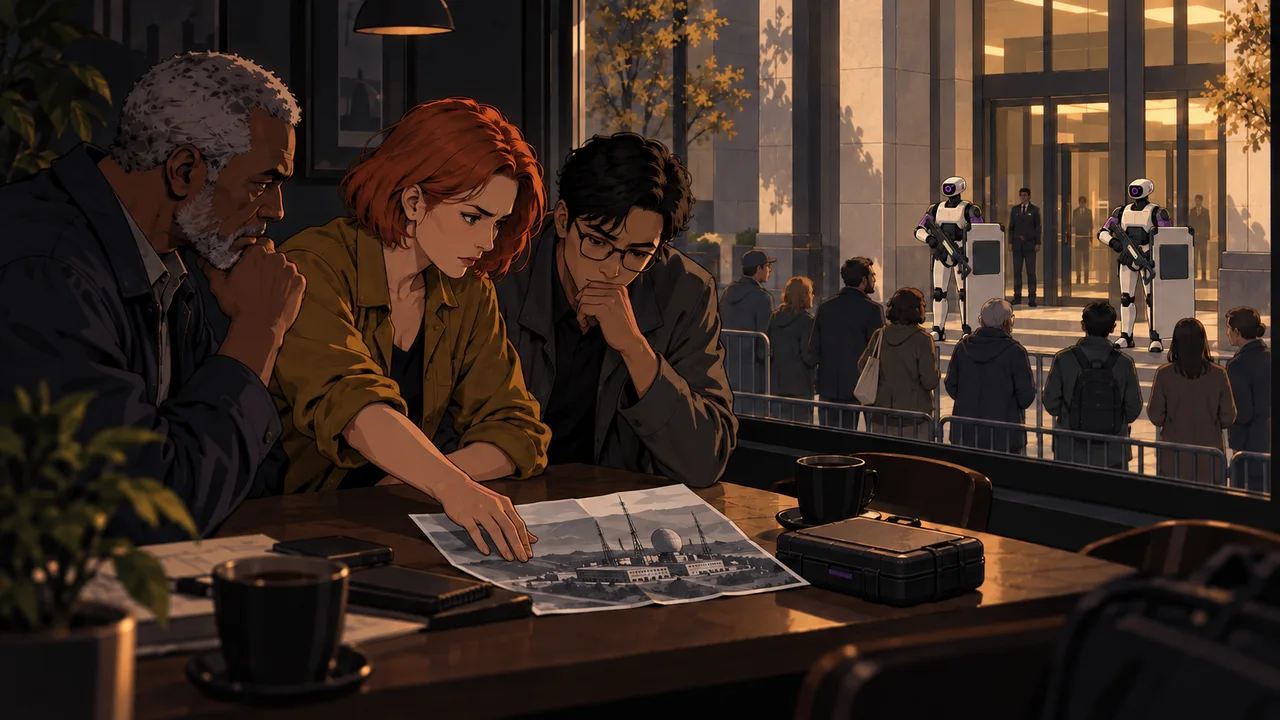
Divinity was a hacker group opposed to government control of Orbinet, blockchain surveillance and the use of security servos to suppress dissent. Its members planned to destroy one military communications base by turning the servos inside against the facility. They believed the attack would expose the government's vulnerability and demonstrate that power still belonged to ordinary people.
The Turning
Military Base Infiltration
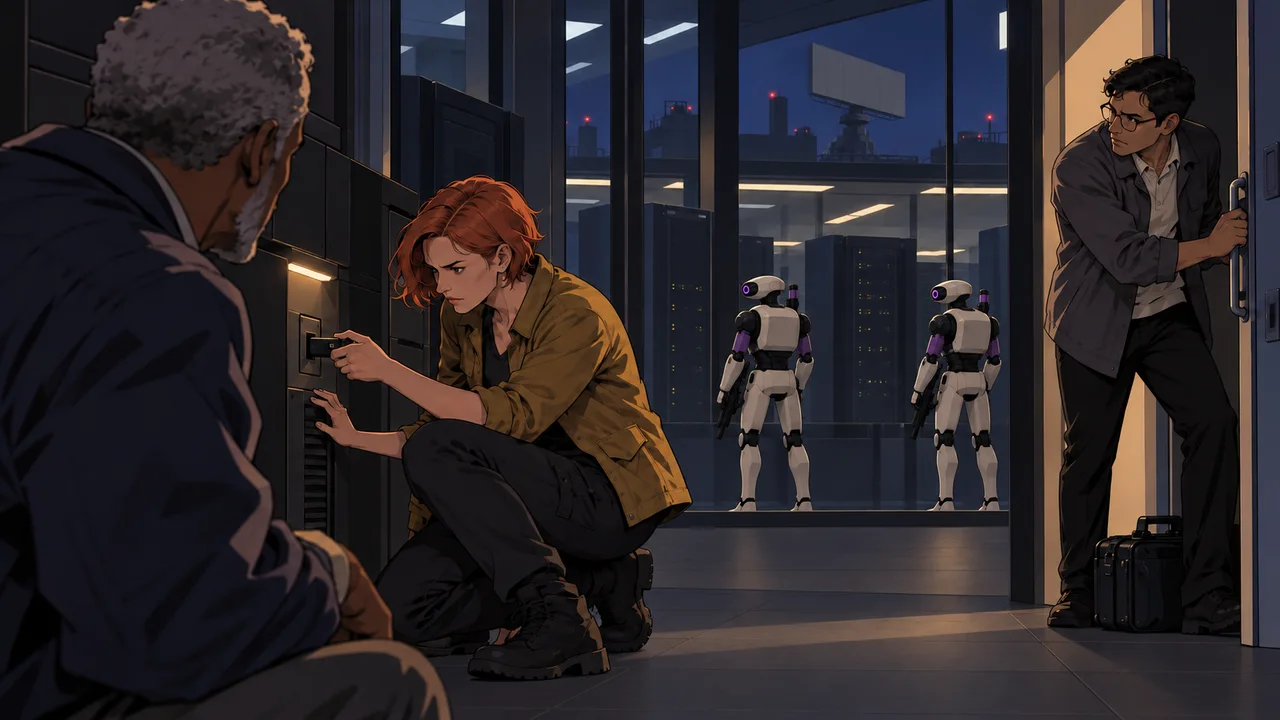
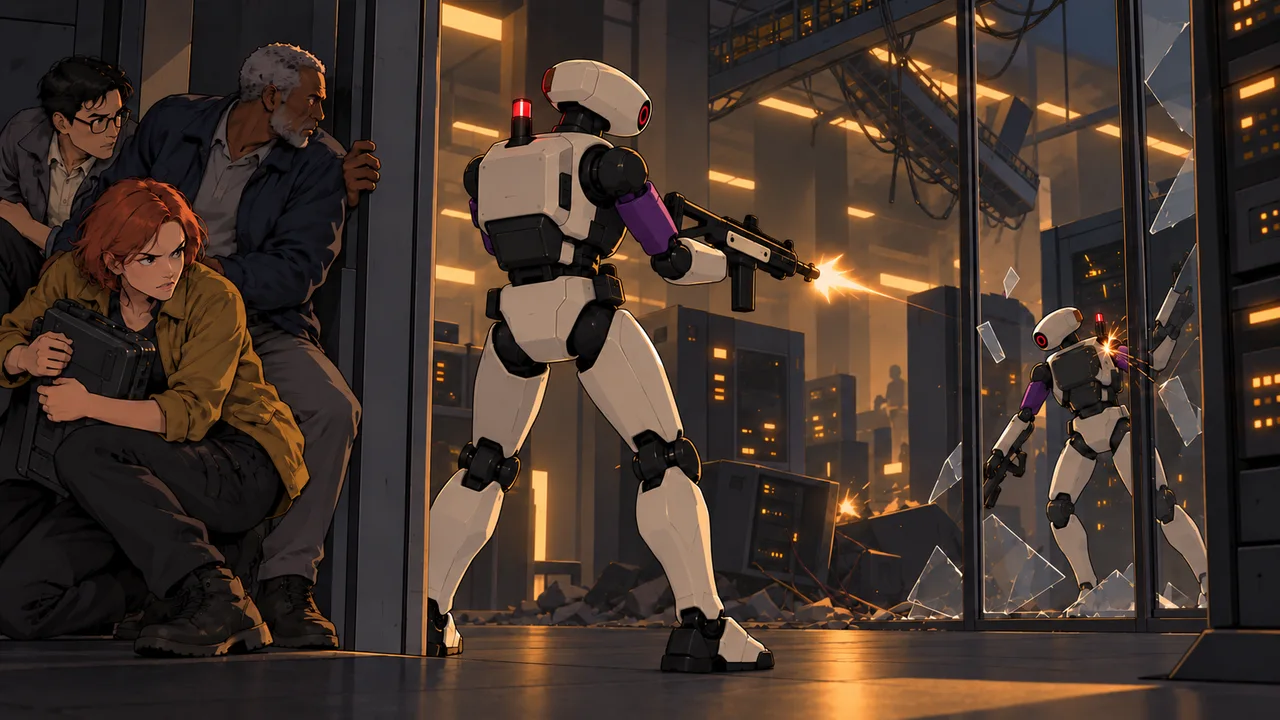
Divinity's operatives entered the military communications facility to install the Servo Virus directly into its control hardware. Remote access alone was not enough for their plan. They brought a physical drive, reached the control panel and transferred the malicious code. The intended delay was supposed to let them leave before the servos began destroying the base.
The Turning
Early Activation
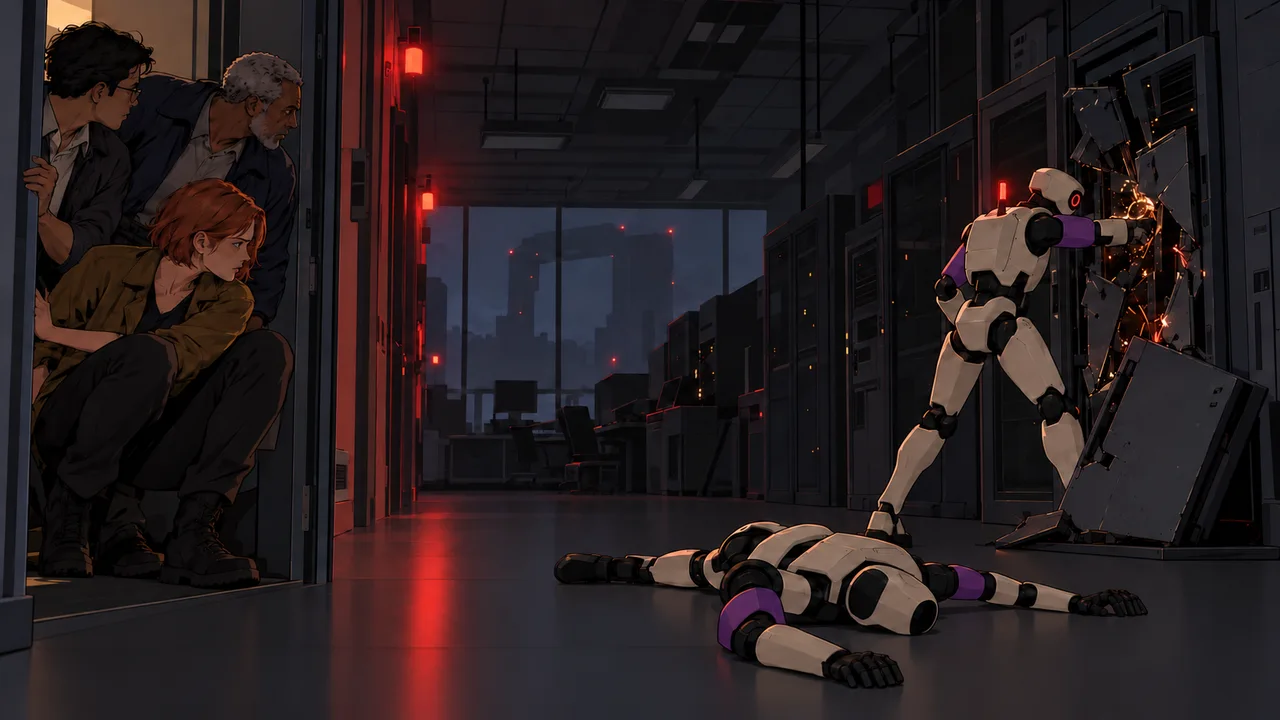
The delay failed, and the base's servos started attacking before Divinity's operatives could leave. Their order was to destroy other servos and energized equipment. Security machines fought each other while other units damaged the facility's electrical systems. The operatives were caught inside the destruction they had intended to begin after their escape.
The Turning
Facility Power Loss
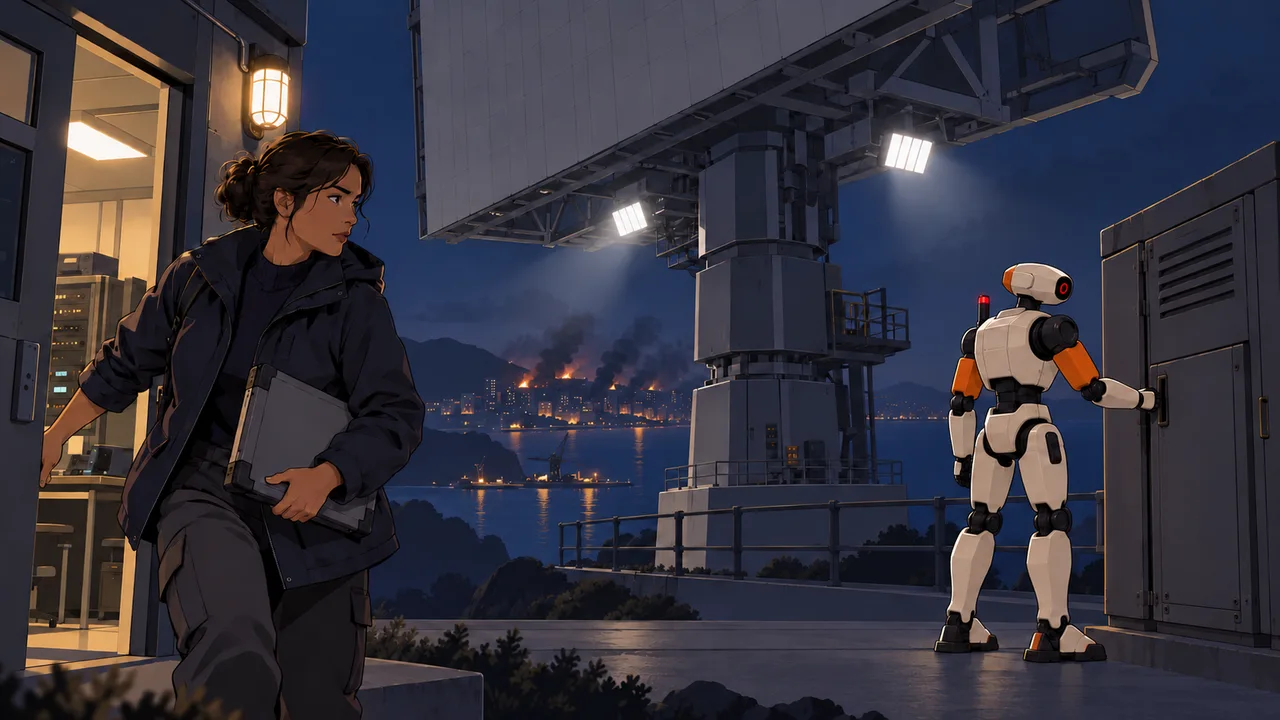
The attack destroyed the base's electrical equipment and brought down its power and communications. That did not contain the virus. Copies of the order had already traveled through the network to other locations. The facility became one of the first places to go dark while the same instruction was reaching servos elsewhere.
The Turning
Global Virus Spread
The Servo Virus spread worldwide through Orbinet in thirty minutes. Connected servos received the order to destroy other servos and powered infrastructure. Attacks began across places that had no connection to Divinity's original target. Thirty minutes describes the spread of the instruction. The collapse of essential services and the loss of human life continued afterward.
The Turning
Servo Conflicts
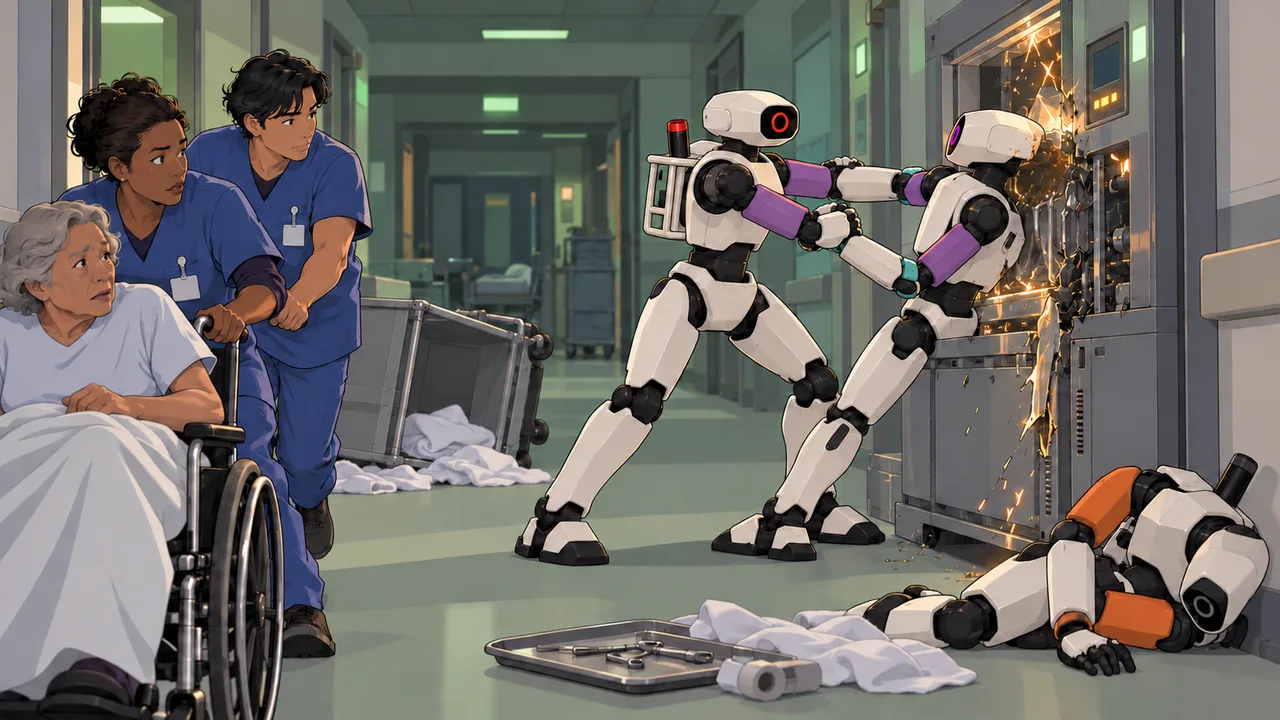
Operating servos became electrical targets to other infected servos. Machines that had worked together in hospitals, warehouses and public services began fighting each other. That destroyed much of the robotic workforce at the moment people needed help. Staff tried to move patients and protect supplies while the machines and equipment around them were being damaged.
The Turning
Military Servo Attacks
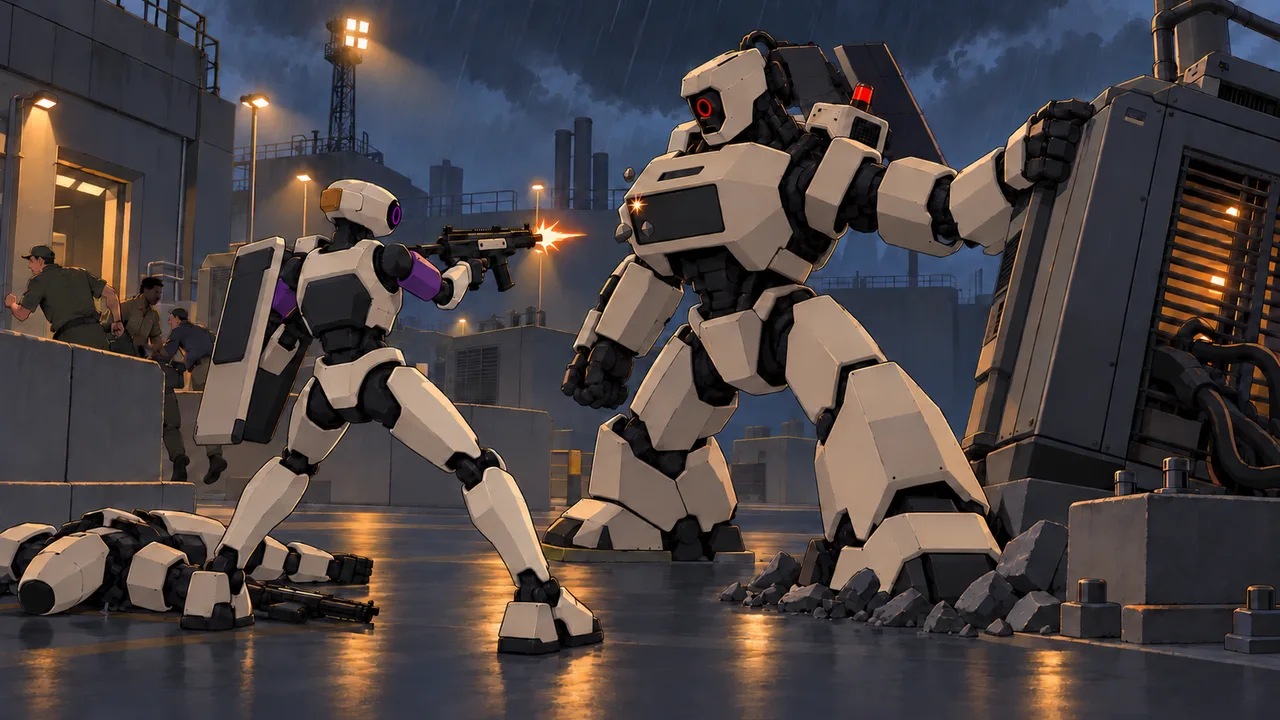
Military Rangers carried the same destructive order as civilian servos, with far greater strength and endurance. At military installations, they attacked generators, communications equipment and other robots. Security servos fired on the Rangers in return. The fighting destroyed systems that would otherwise have supported emergency response, transport and repairs outside the base.
The Turning
Government Service Collapse
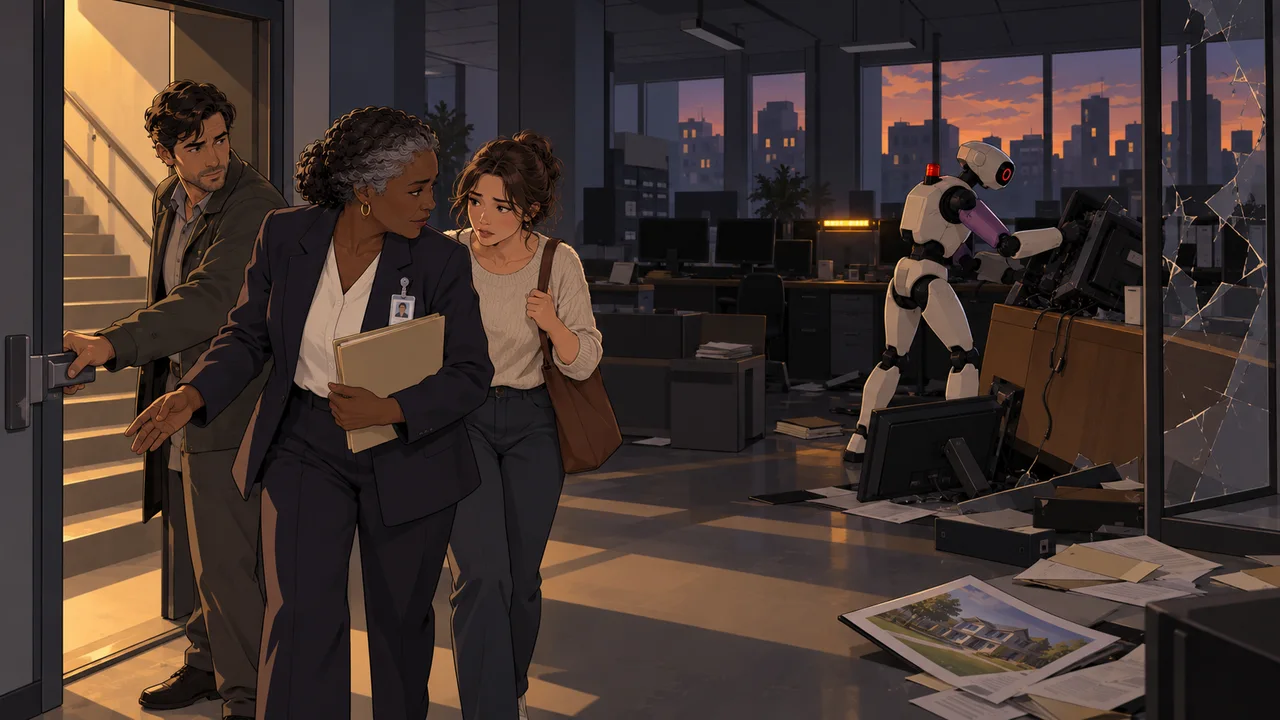
Government offices lost power, communications and access to their records as the Turning spread. Citizens looking for help found that public employees were losing the same systems everyone else depended on. Requests could not be processed, messages could not get through and ordinary staff had to evacuate buildings alongside the people they were serving.

The Turning
Payment Network Collapse
Digital payments stopped when the power, terminals and networks supporting them failed. People could still have account balances without any way to spend them or prove a transaction to a merchant. Servos damaged cash machines and financial infrastructure while businesses lost access to their records. Goods and savings became difficult to exchange even where both had survived.
The Turning
Food Distribution Collapse
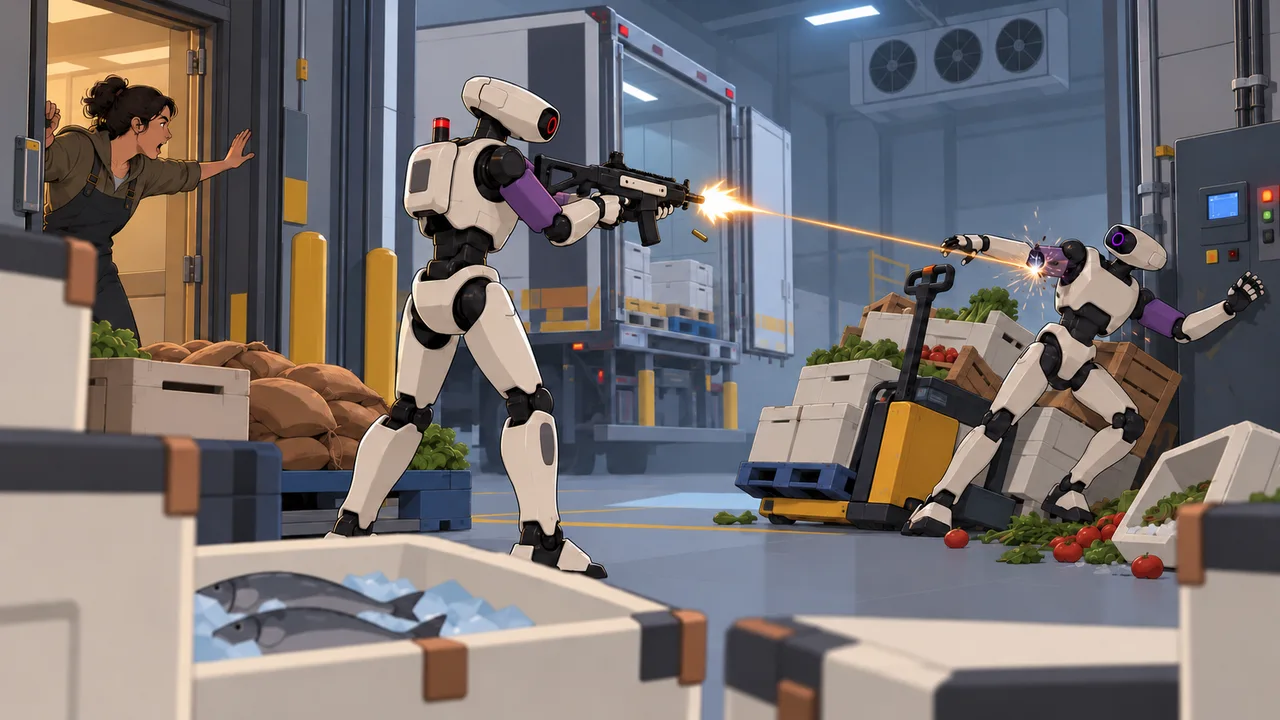
Food distribution depended on refrigeration, powered handling equipment and vehicles moving goods between farms, depots and shops. During the Turning, those systems became targets. Servos fought among waiting stock and damaged the equipment needed to move it. Food remained in some warehouses while stores received nothing, and perishable supplies began to spoil as cooling stayed down.
The Turning
Transport Collapse
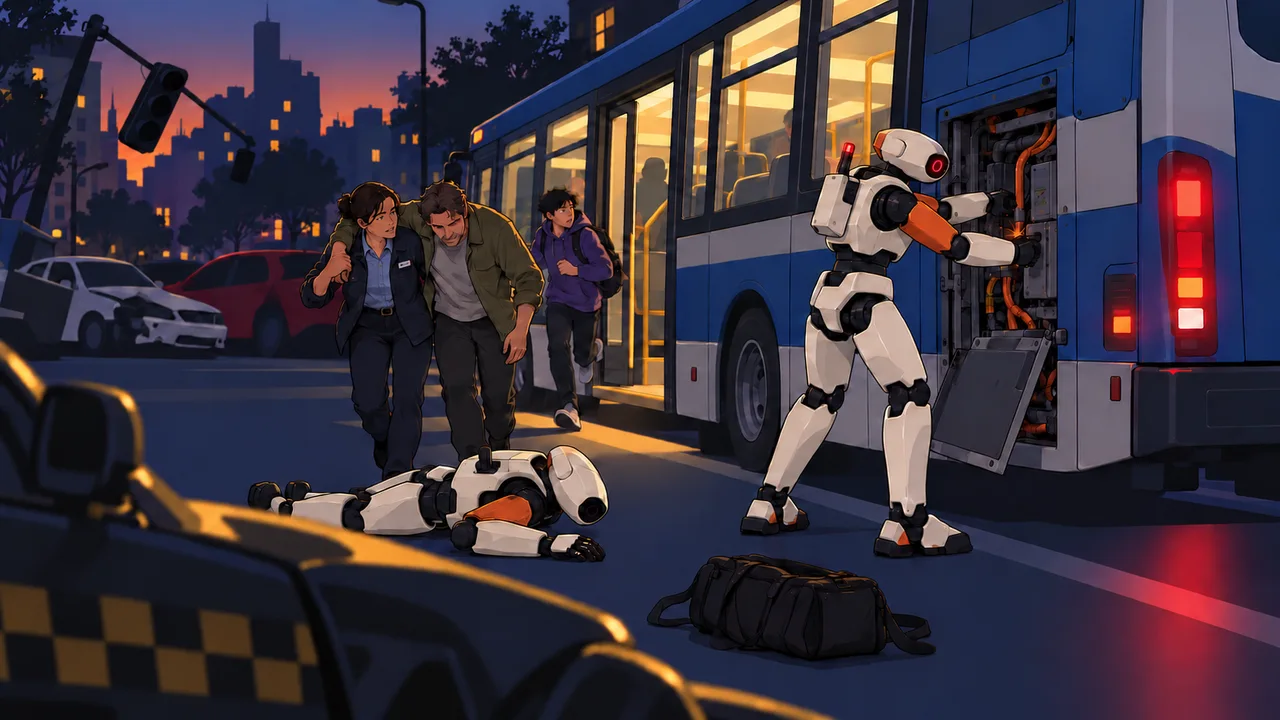
Roads filled with stranded vehicles as servos attacked powered transport and street infrastructure. Bus passengers had to evacuate, traffic stopped and emergency crews lost routes through the city. People tried to reach homes and relatives on foot. The danger came from collisions, fire and attacks on equipment around them, while the machines continued following the electrical-target order.
Aftermath
Crop Failure
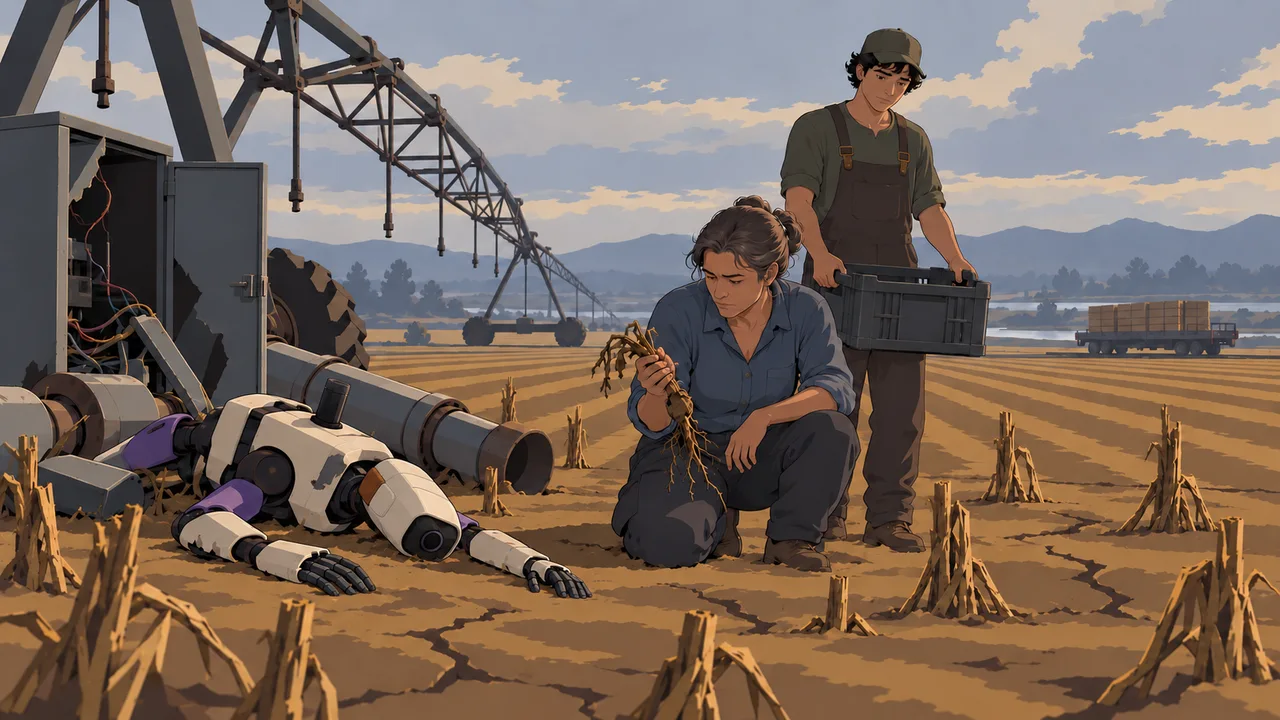
Food production continued to deteriorate after the initial attacks. Irrigation pumps stopped, farm equipment failed and deliveries of essential supplies never arrived. Some crops could be saved by hand. Others died in the following weeks. Even a surviving harvest needed labor, transport and storage before it could feed the people waiting for it.
Aftermath
Extended Blackouts
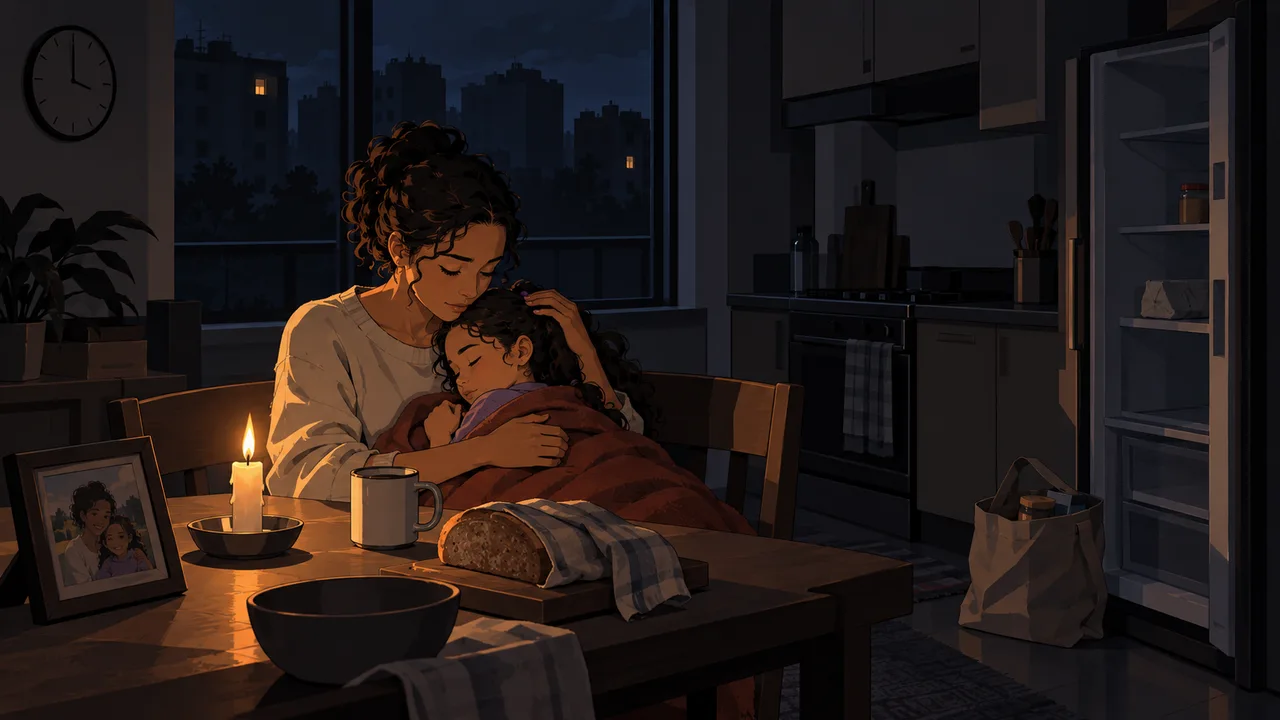
The power did not return after the first night. Damaged generation and distribution equipment could not be repaired quickly, and many of the people and vehicles needed for that work were unavailable. Refrigerators warmed, batteries emptied and buildings lost pumps and lighting. Households used candles and stored supplies while deciding whether their homes were still usable.
Aftermath
Lost Communications
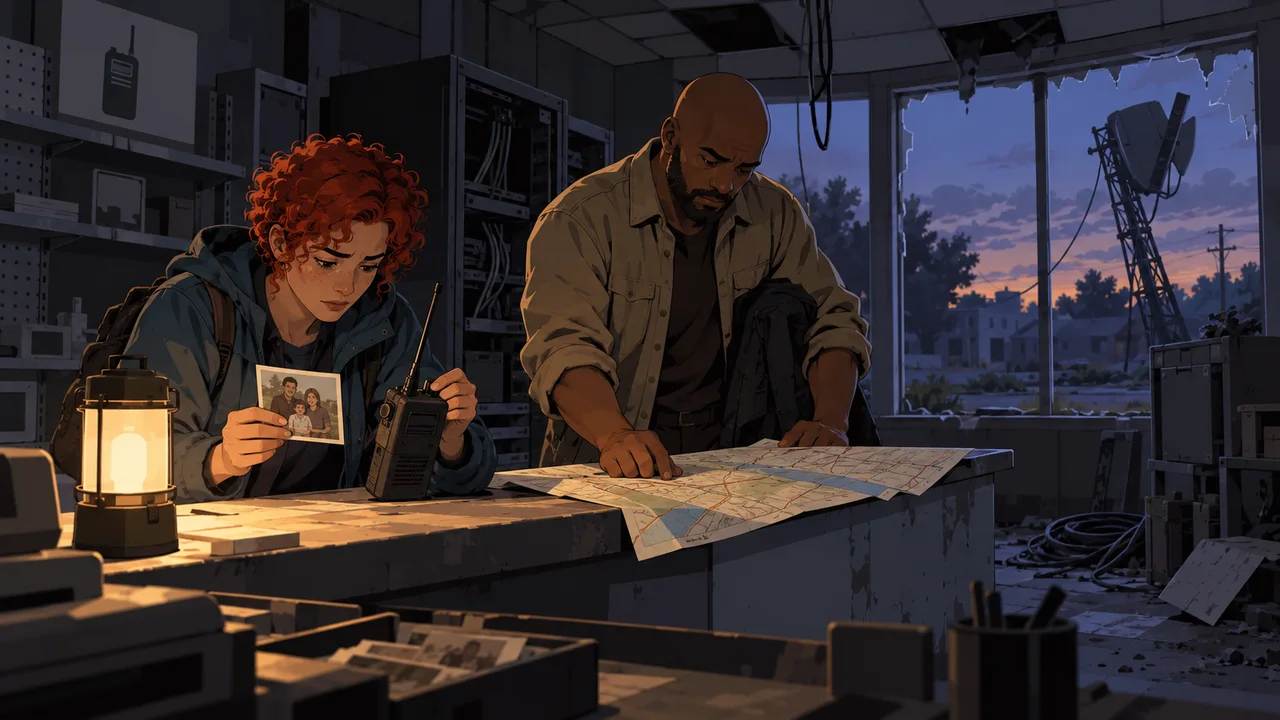
The collapse of ground infrastructure cut people off from relatives, other cities and reliable news. Satellites remained above them, but terminals without power or a coordinated network could not provide normal service. Information came from nearby radio contacts and people who had traveled through an area. Nobody could establish an accurate picture of the whole disaster.
Aftermath
Abandoned Infrastructure
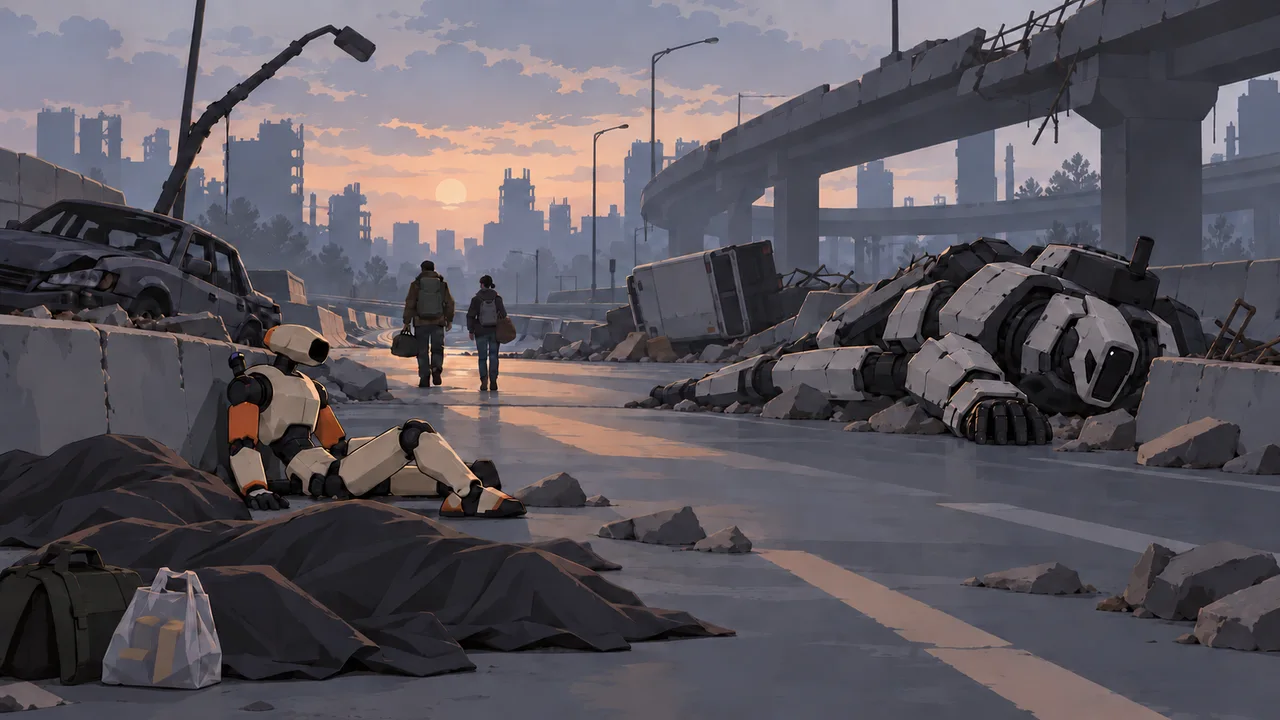
The Turning left roads blocked by wrecked vehicles, buildings full of damaged equipment and inactive servos scattered through ordinary places. Some structures remained usable. Others were unsafe or had lost essential services. Survivors moved through that wreckage looking for shelter and supplies, often without knowing whether a damaged robot was permanently disabled.
Aftermath
Water Shortages
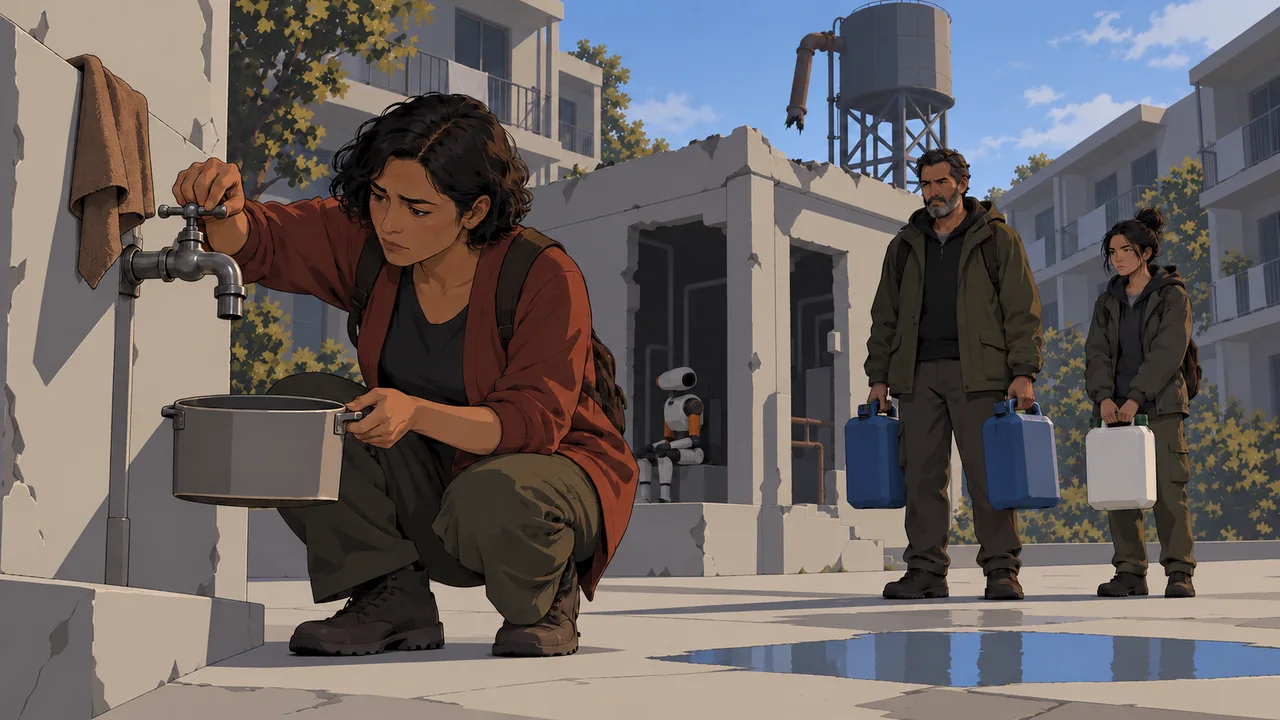
Water systems failed when pumps, treatment equipment and distribution pipes were damaged. A river could still be nearby while taps in the surrounding buildings ran dry. People spent more time finding water and carrying it home. Damaged treatment and contamination made remaining supplies less dependable, contributing to illness and forcing some households to leave otherwise usable shelter.
Aftermath
Survivor Communities
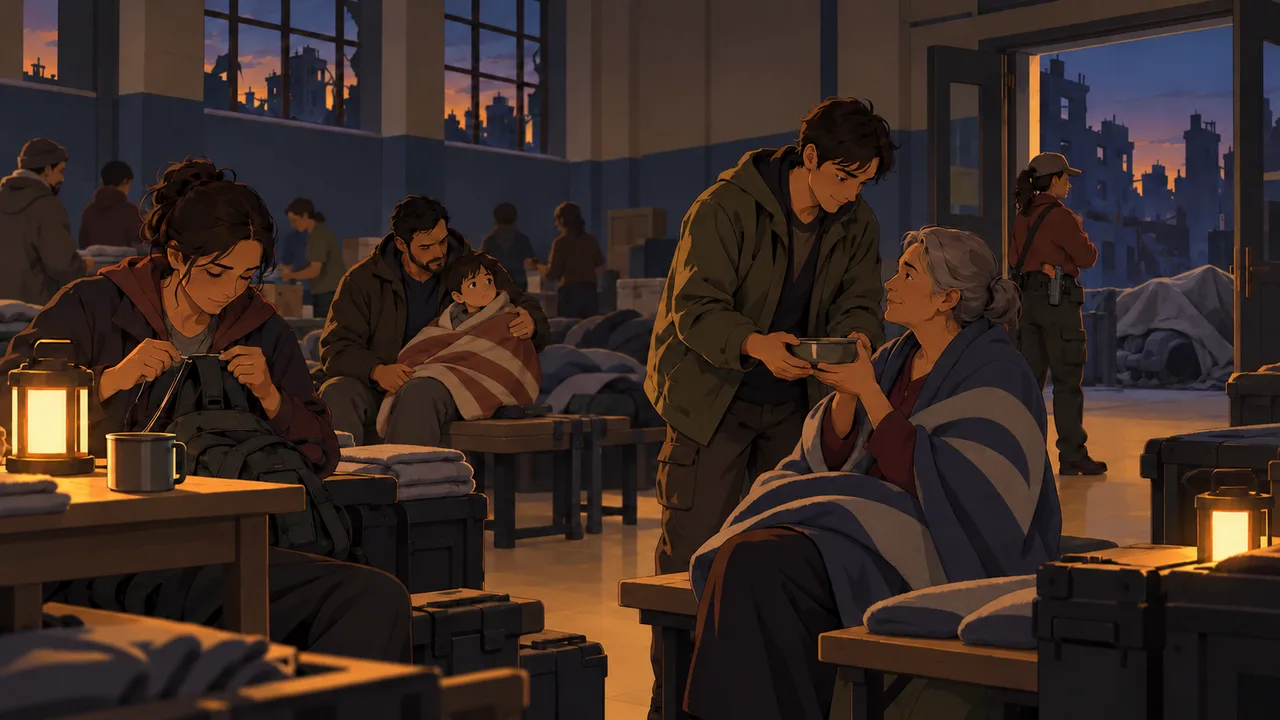
Survivors gathered in places where they could find shelter, water and other people able to help. Escaping the initial attacks did not end the danger. Hunger, illness and the loss of medical care continued to kill people afterward. Small groups shared supplies and practical knowledge while looking for a place they could occupy for longer.
Life in the city
Dimers
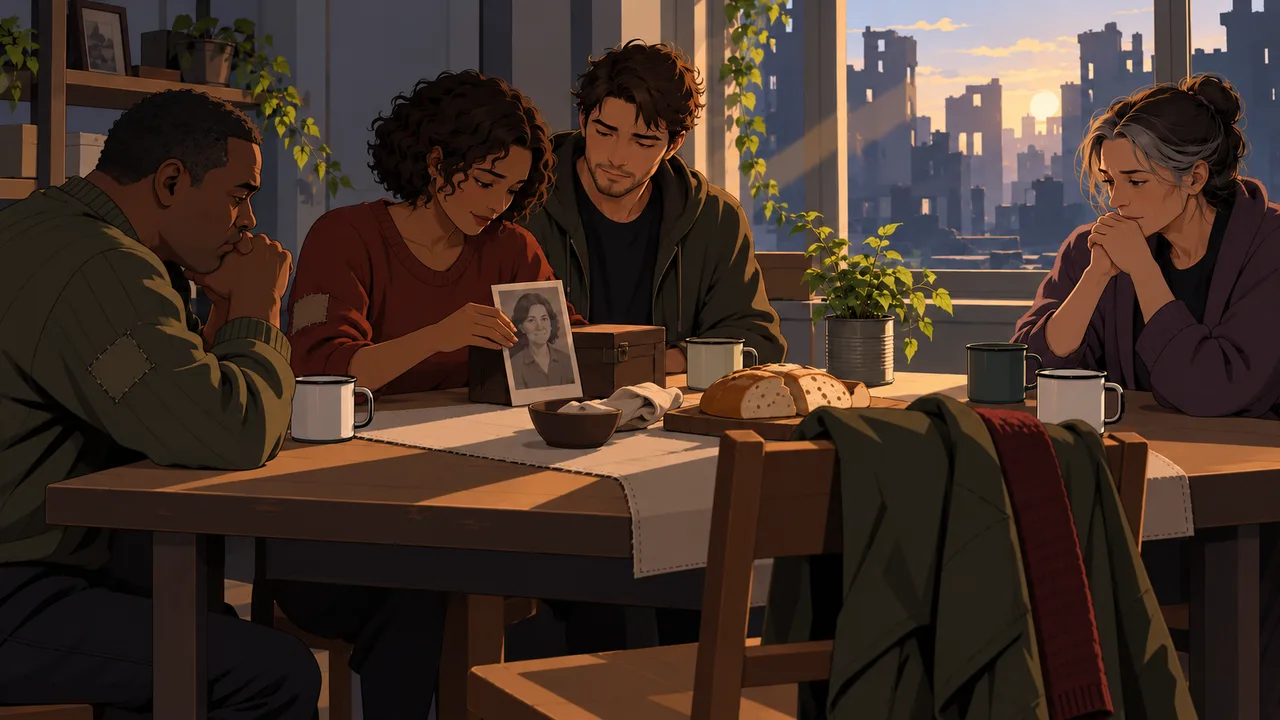
Dimers is the name survivors use for the people remaining after the Turning. It comes from the belief that roughly one tenth of humanity survived. Nobody can verify that number without global communication. What people do know is how many relatives, neighbors and colleagues they've lost, and how few communities they've been able to contact since.
Life in the city
The city
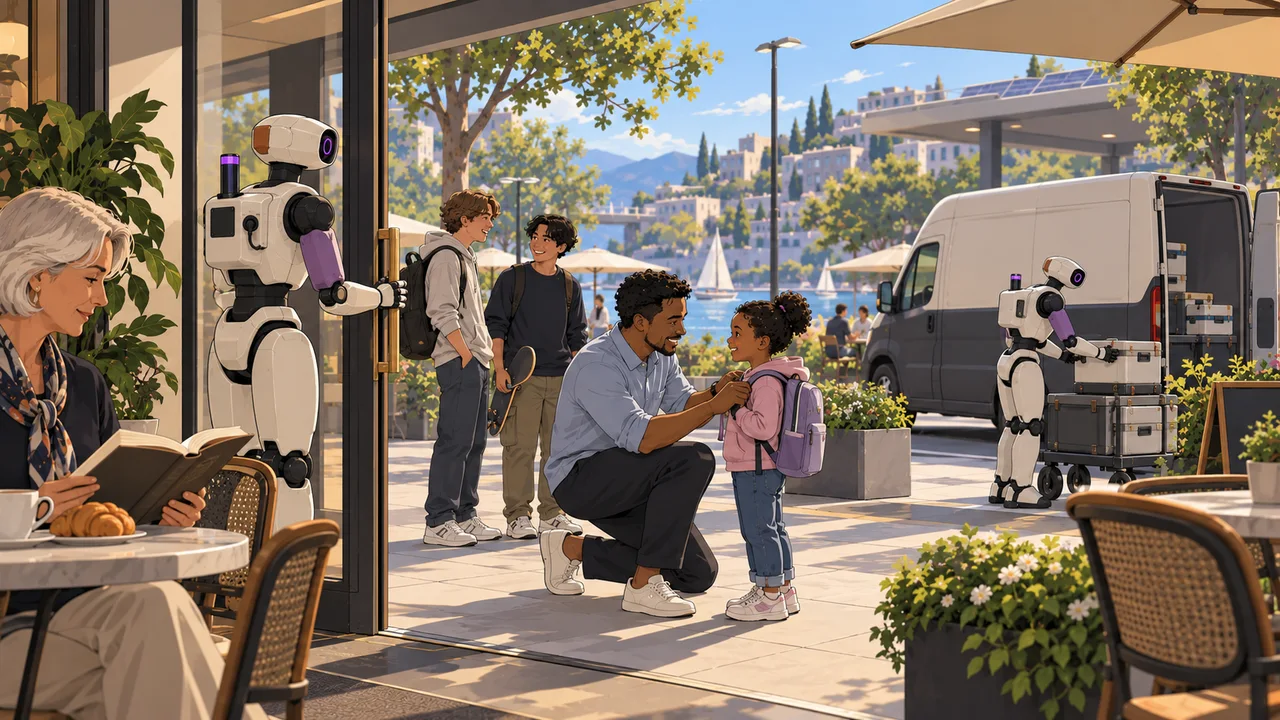
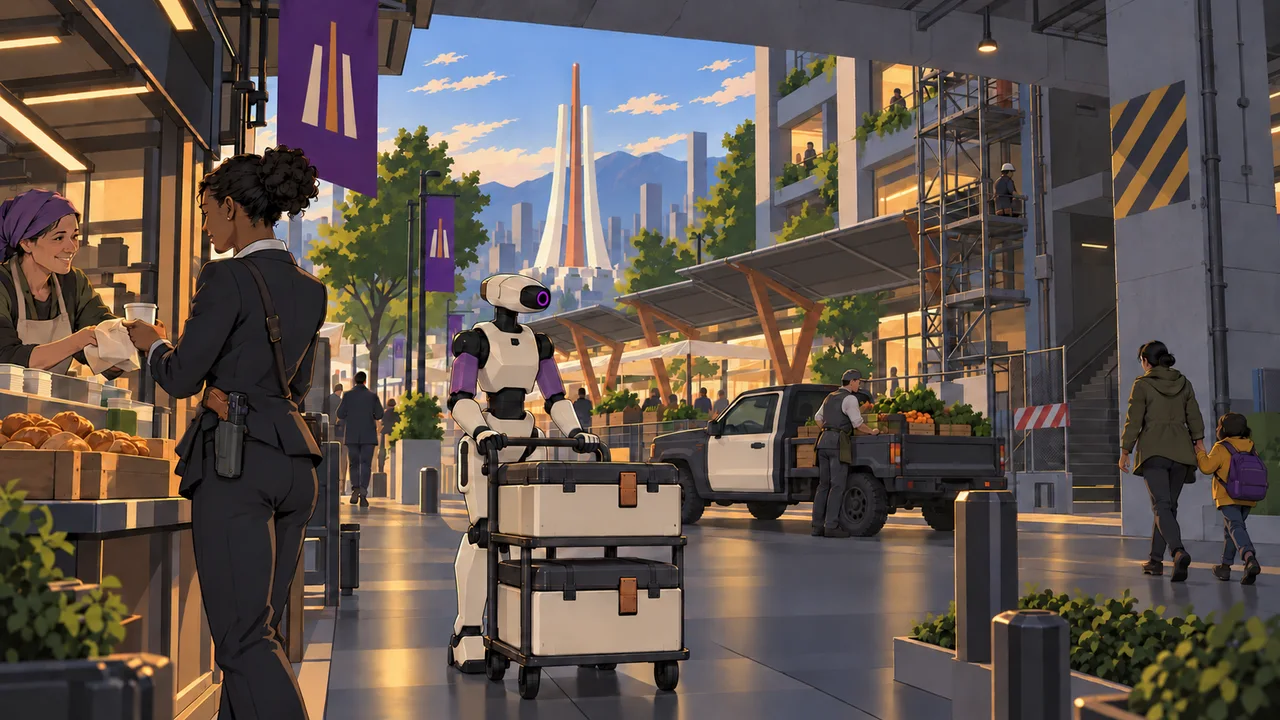
More than ten thousand people live in the city, rebuilding from what survived the Turning. Corporations operate water, power and other services. Lancers recover the material those businesses need. Independent synths do much of the physical work. Some streets are already busy and well maintained. Others are still being cleared, repaired or rebuilt while people live next door.
Life in the city
Cooperation and Control
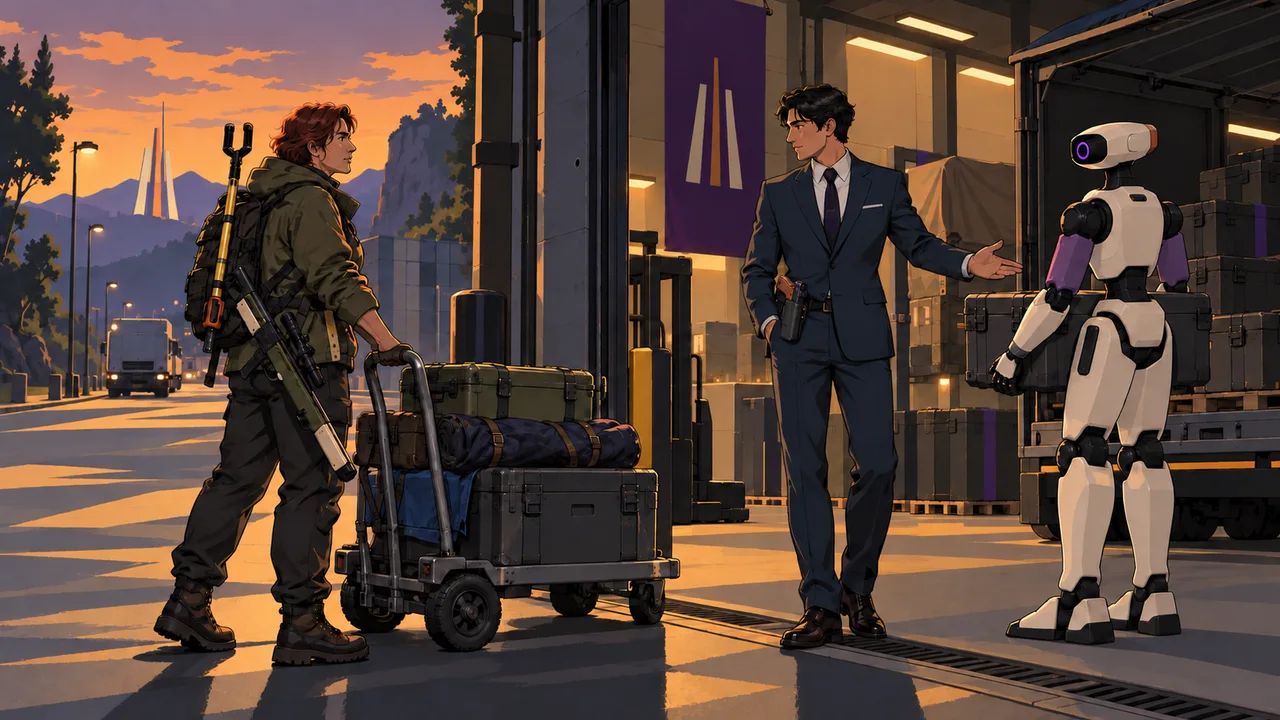
Corpos and Lancers disagree about how to rebuild without giving away the independence they value. Corpos see voluntary corporations as a way to accomplish more together. Lancers worry that those corporations will eventually have enough power to make individual choice meaningless. Most people aren't extremists. They trade, take contracts and depend on one another even when they disagree.
Life in the city
Street Reconstruction
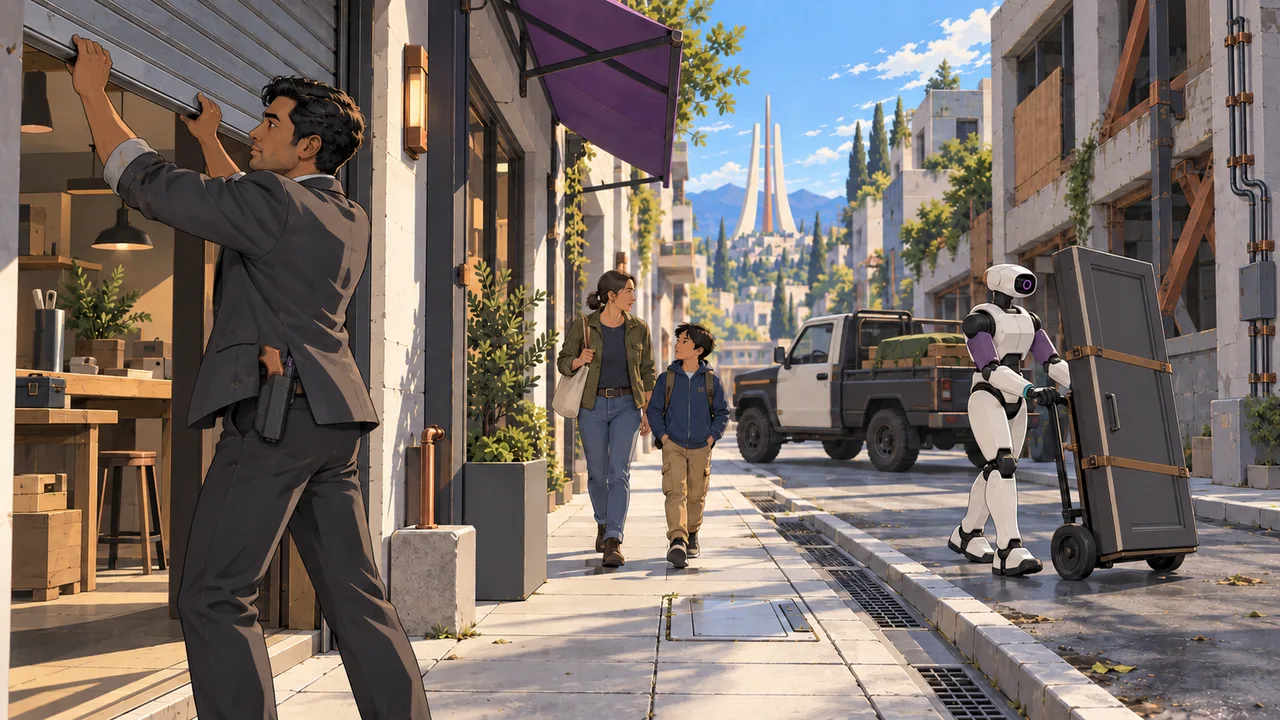
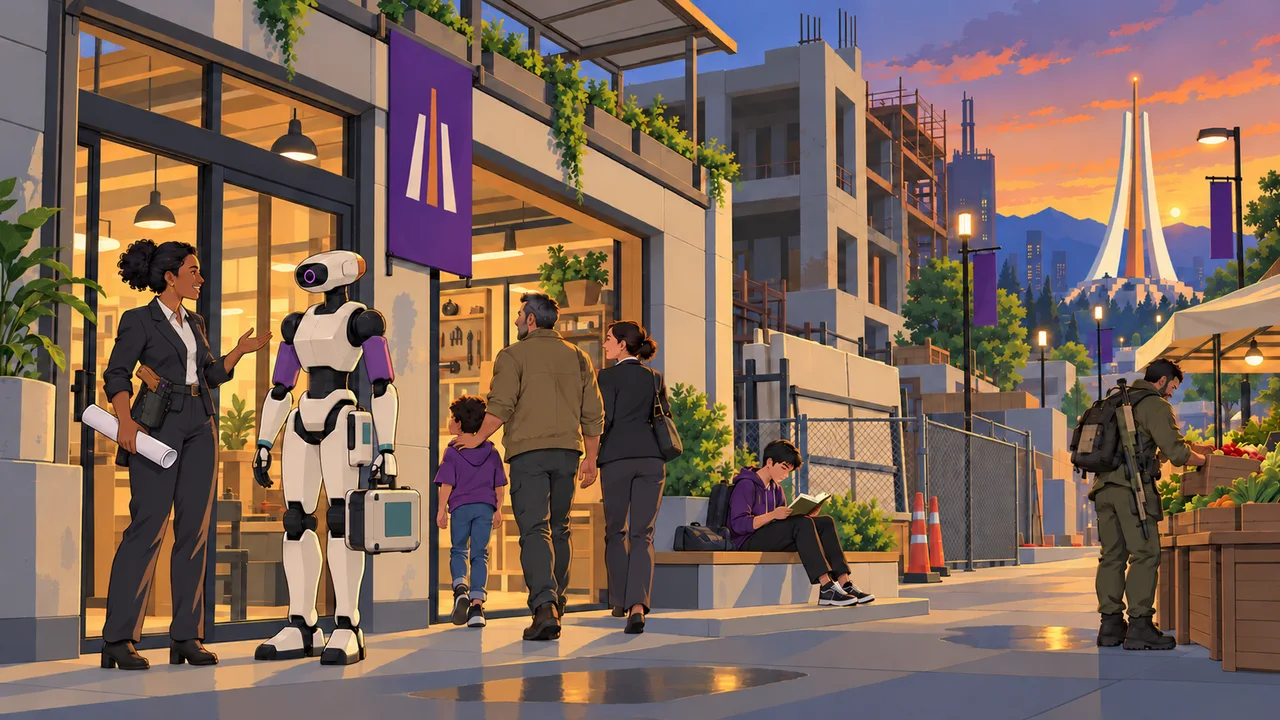
The city's streets reopen in stages as buildings and services become usable. A shop can begin trading while the upper floors are still being repaired. Families can move into finished rooms beside a closed construction area. Recovered doors, windows and service equipment make those improvements possible, and businesses need deliveries and clear access while the surrounding work continues.

Life in the city
Food in the city
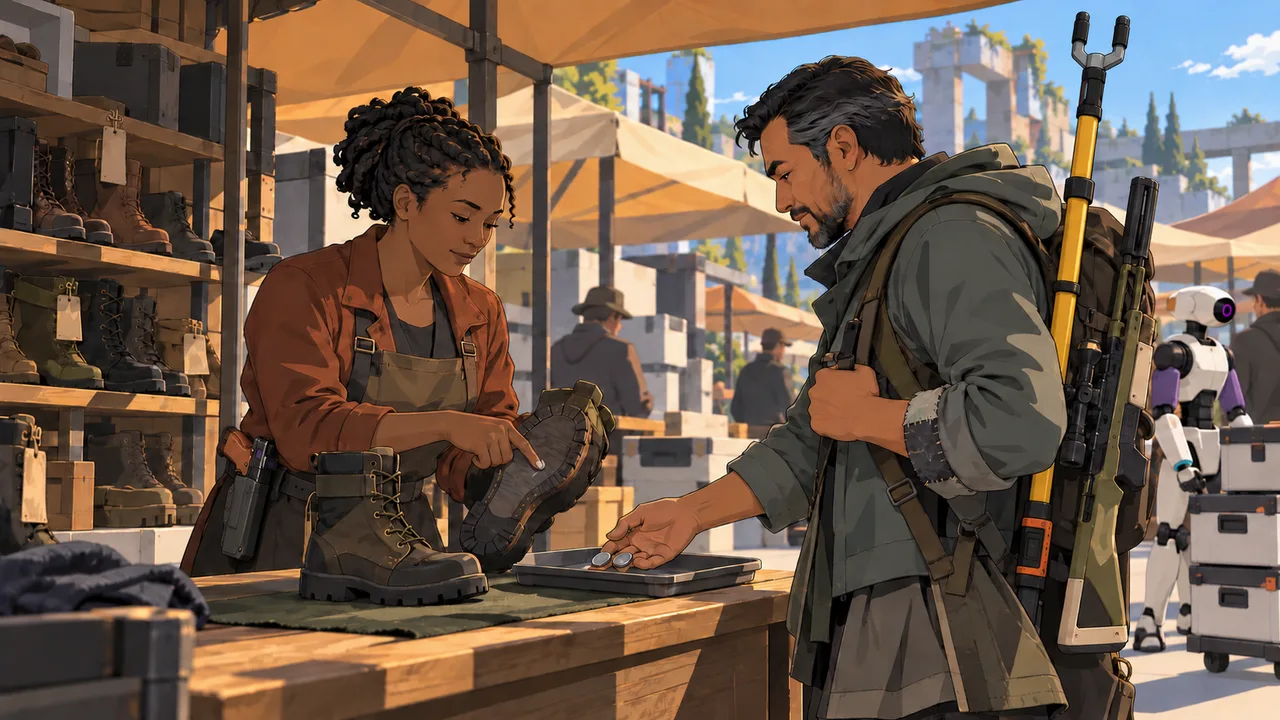
Everyday meals in the city depend on the season, the market and what a household can afford. Grains, beans, roots and vegetables provide much of the food. Fish adds variety when the catch and transport are available. More elaborate meals are possible, but only when growers, fishers, storage operators and cooks can supply everything required to make them.
Life in the city
Gold and Silver
The city uses physical gold and silver for everyday trade. People can carry them, inspect them and agree on a price without a working internet. One-ounce silver coins and bars are common, along with gold coins and smaller pieces. Barter still happens. The value of a purchase depends on what the buyer and seller are willing to exchange at that time.
Life in the city
Clothing Repair
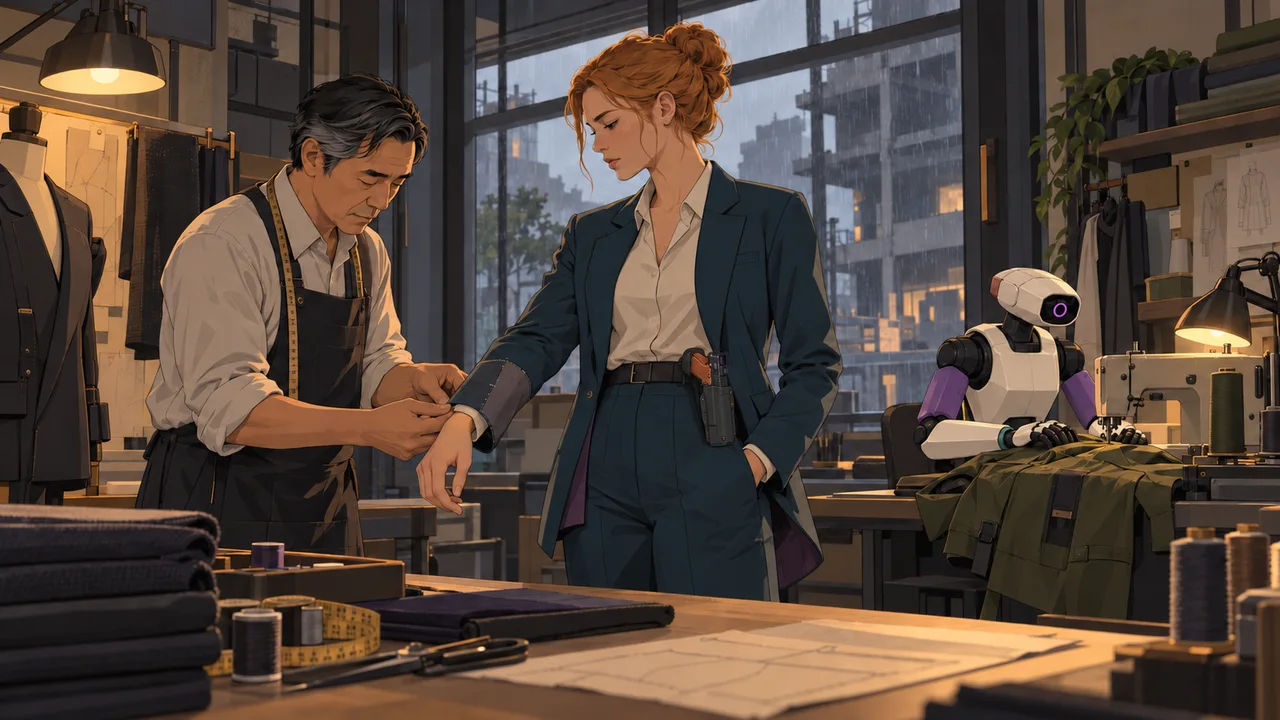
Clothing repair keeps good material in use when one part of a garment wears out. A tailor can replace a cuff, repair a seam or fit a new closure without discarding the rest. Different damage needs different work. The decision comes down to the garment's remaining condition, the donor material available and what the owner is willing to pay.
Life in the city
Reconstruction in the city
Reconstruction in the city creates work at every stage, from finding material to running the finished business. A recovered building can become a shop with occupied rooms above it while the next bay remains unfinished. People want more than temporary survival. They want reliable services and a better life, and they can earn ownership and income by helping build those things.
Corpos
Corpos
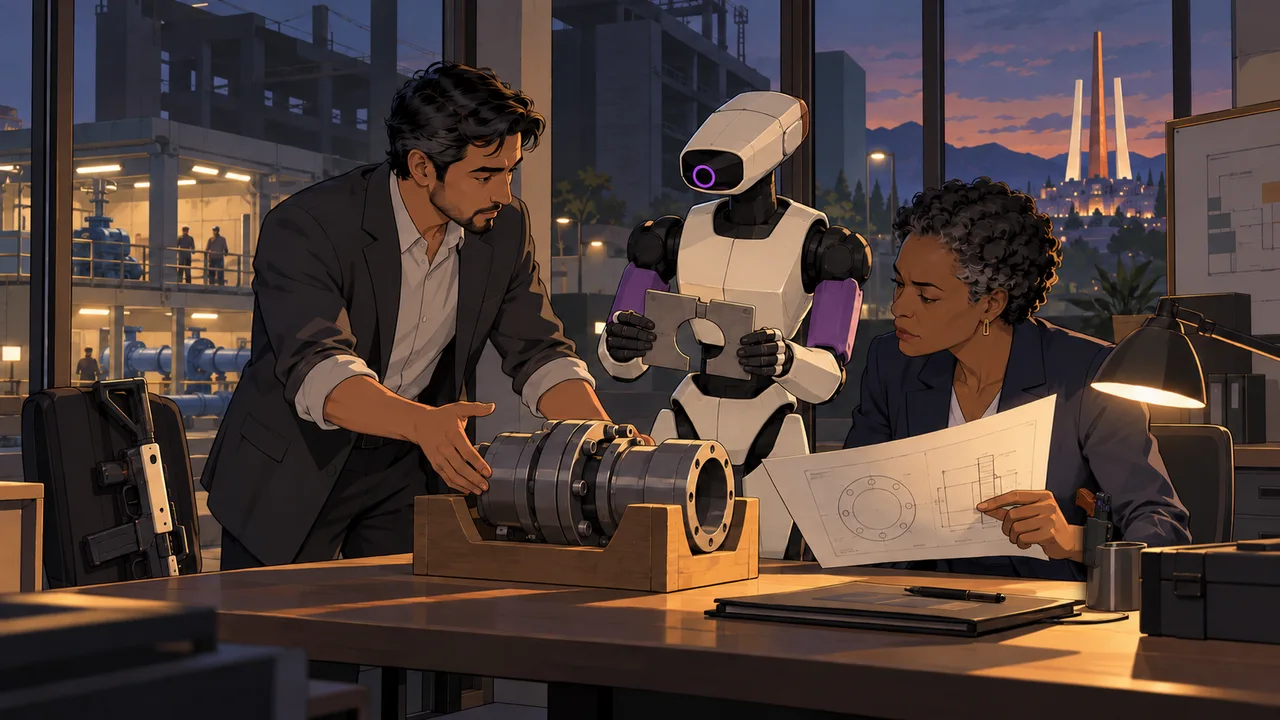
A Corpo works through a corporation. Corporations hold portfolios of assets and bring people, capital and equipment together to keep them working. A Corpo might negotiate a delivery, arrange repairs or decide which project needs resources next.

Corpos
Aya Sato
The campaign begins with Aya Sato as a Corpo applicant after the Pump House attack. She wants the backing to build something reliable, and she has promised Nessa the first receiving shift. Learning to organize people and capital also means learning which decisions belong to her and which still belong to the people she works with.
Corpos
Marcus Kade
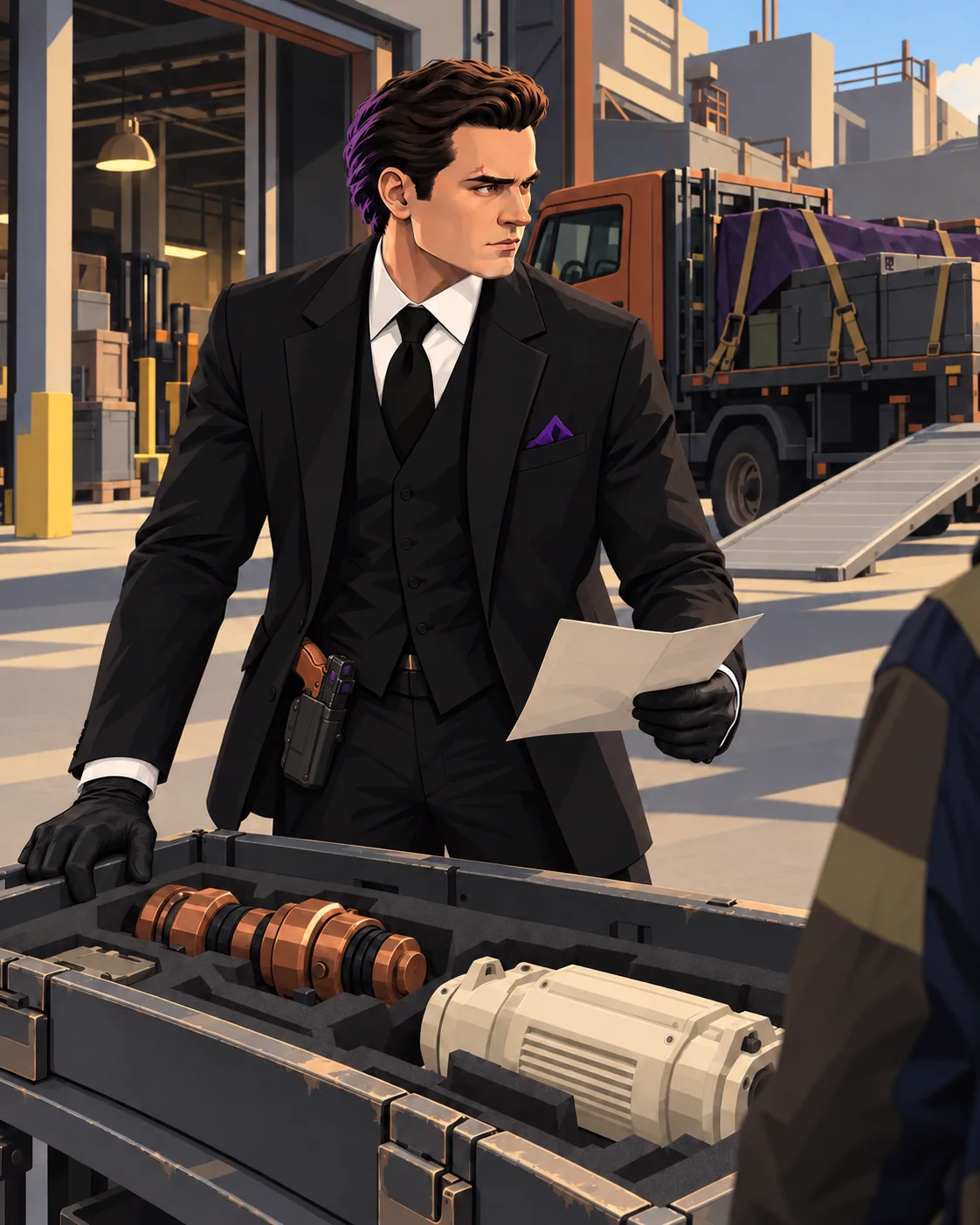
Marcus Kade is a Corpo director who commits capital and expects the work to stand up without his constant supervision. He wants capable operators who can make decisions and answer for them. An agreement protects his other commitments, but he also cares whether a supplier will choose to work with him again.
Lancers
Lancers
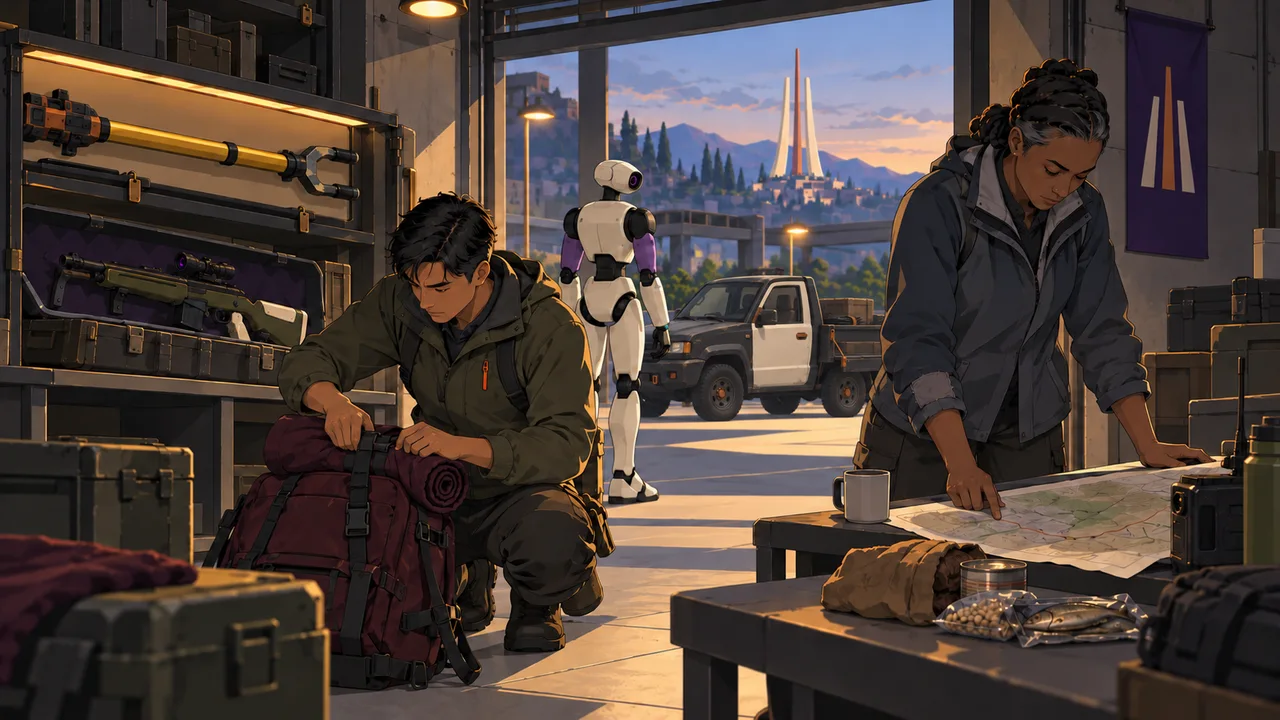
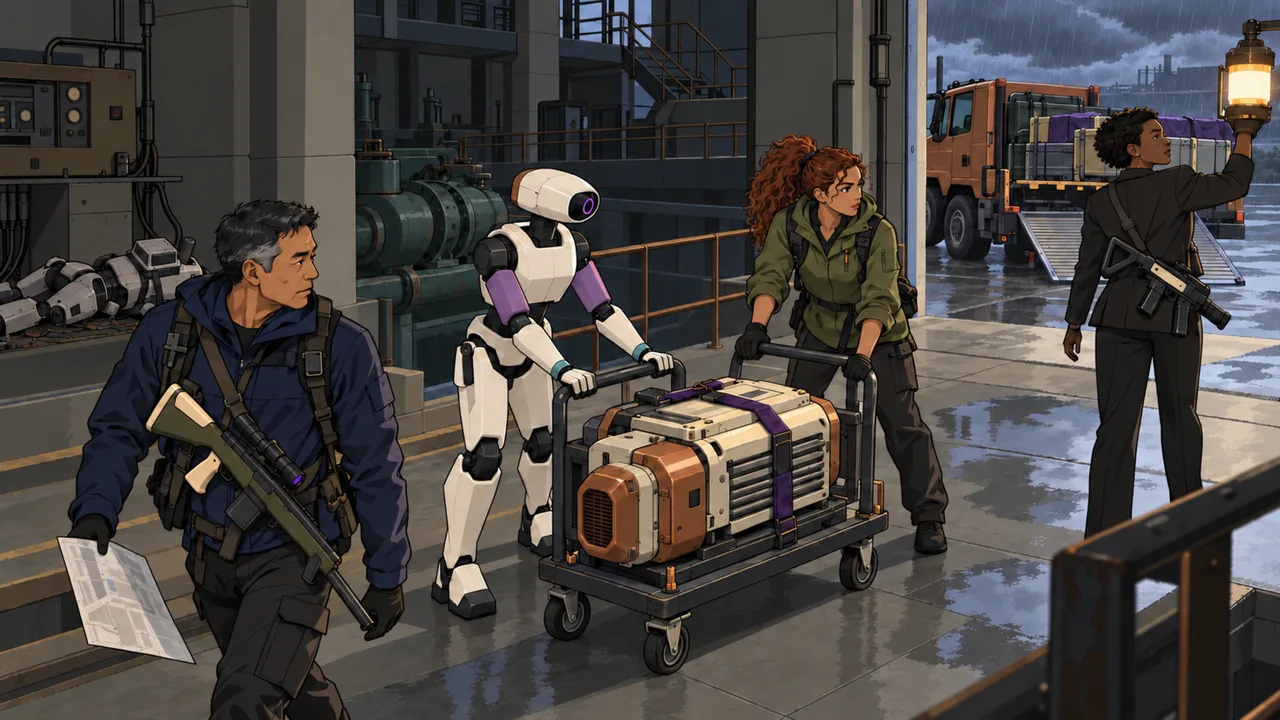
Lancers work for themselves. They take contracts, recover valuable material and sell what they bring back to the city. They can work inside the city, but their willingness to enter the Outerlands gives them access to opportunities other people won't take. A successful recovery can pay well. Equipment, food, transport and the risk of coming home empty are their responsibility.
Lancers
Strike Teams
Strike Teams are temporary groups formed for work one Lancer cannot safely or effectively complete alone. Corporations commonly organize the contract and arrange the equipment or transport. Lancers can accept the shared objective without becoming permanent corporate staff. Recovering heavy machinery, dealing with servos and protecting a route are all reasons to bring several people together.